 In this vignette by French author Colette, a recently married couple visiting a restaurant chance upon the husband’s ex-wife. She is attractive, sophisticated and self-assured. Alice, the new wife, is younger, naïve, submissive and insecure. The self-centered, controlling husband cannot understand why his first wife had “difficulty” with their relationship. The new marriage, in which Alice flirtatiously plays the part of a trophy wife, appears more to his liking. Unfortunately for him, the encounter raises doubts and a question in Alice’s mind: What more did she (the ex-wife) want from him? She finds herself envying and respecting the stronger woman. More…
The Olive
 In this lesser-known story by Algernon Blackwood, a playful girl accompanying her convalescing mother on the Italian Riviera rolls an olive across a restaurant floor to see who it chooses. A young man picks it up and takes it to his room. That night, he has an erotic dream featuring the girl, naked fauns, nymphs and satyrs, and an encounter with God. He meets the girl the next day and they begin a passionate affair during which she repeats several things she said and did in the dream. Themes include fate vs. chance, love, the supernatural. More…
Mechanopolis
 In this story by Miguel De Unamuno a man dying of thirst in a desert is saved when he stumbles upon an oasis in which there is a mysterious train station. He boards a seemingly empty, waiting train and is whisked off to a magnificent, deserted, fully functioning city of the future. The city’s machines and infrastructure continue to operate with no apparent human involvement. His curiosity turns to horror when he realizes the machines are sentient and concerned about his psychological and emotional state. Themes include human extinction, the ascendency of sentient machines, loneliness, paranoia, mental instability. More…
The Lottery
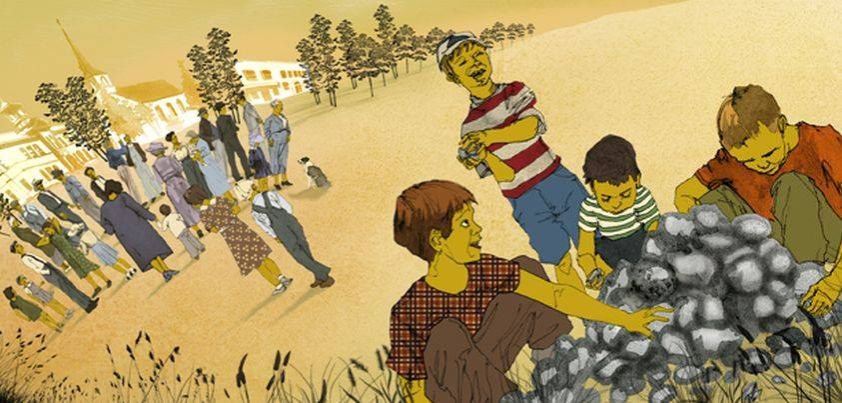 Author Shirley Jackson had no idea of the angry reaction The Lottery would receive when it first appeared in 1948. The story tells how each year the otherwise ‘normal’ people in a small American farming town perform a gruesome ritual to ensure a favorable growing season. The major theme is how herd or mob mentality can drive people to do things they would never consider individually. Other themes include dystopia, gender roles, violence and cruelty (human sacrifice), acceptance (the blind following of tradition), and man’s inhumanity to man (the potential for evil in all of us). More…
The Treasure of Lemon Brown
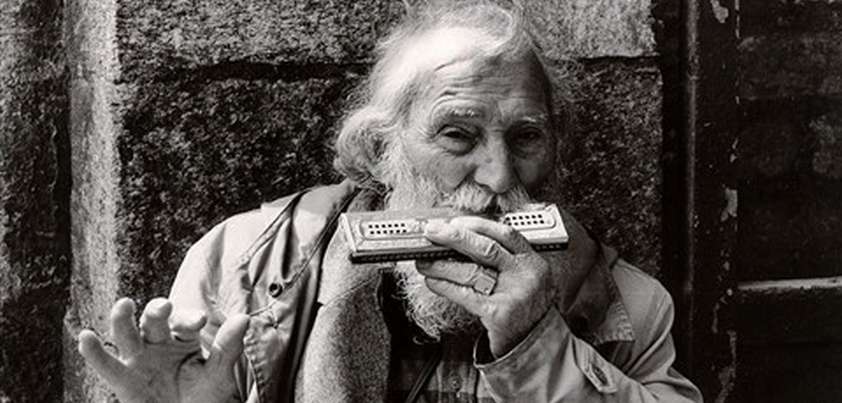 The ‘Treasure’ in this Walter Dean Myers story comprises press clippings and an old harmonica that Lemon Brown gave his son before he went off to war. Their value lies in the memories they represent. Meeting Lemon teaches protagonist Greg about the human side of homelessness, and that not all match the stereotype of being dirty, lazy or crazy. He also learns to be more appreciative of his father’s efforts to build a career after having to leave school at thirteen. We are left wondering if it will also result in Greg trying harder at math. Themes: father-son relationships, homelessness. More…