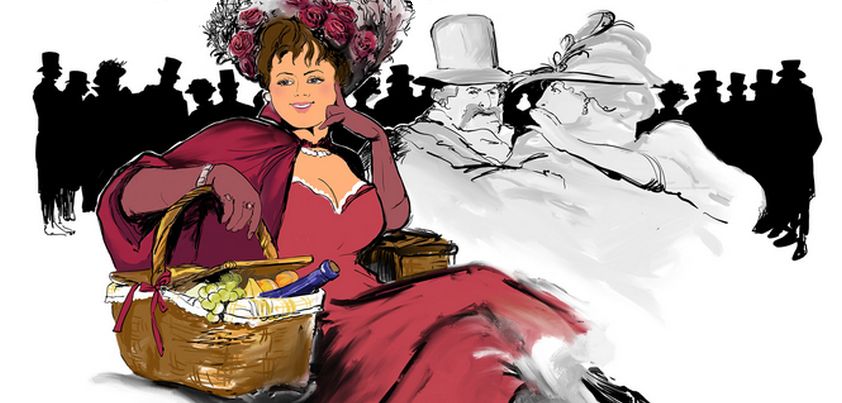
 Regarded as one of Guy de Maupassant’s greatest works, this story explores the interactions between a prostitute with the unfortunate nickname Boule de Suif (Ball of Fat) and nine other coach passengers fleeing the Franco-Prussian War. Her fellow travelers comprise a cross-section of “respectable” French society: politics, business, the nobility and religion. Maupassant’s sad message about nineteenth-century France is that no matter what shows of kindness or sacrifices people of the lower classes make, they are unlikely to be treated with respect and dignity by those of higher social standing. Themes: social class, patriotism, manipulation, exploitation, sacrifice/moral compromise, ingratitude, hypocrisy. More…
The Salt Inspector / Namak Ka Daroga
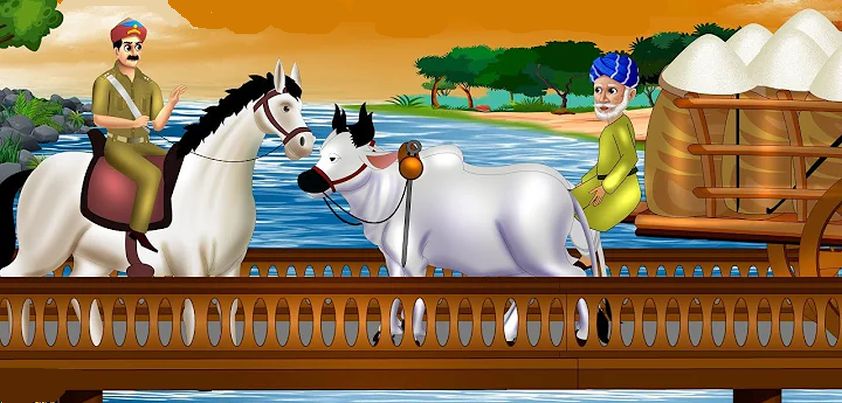 This parable by Premchand about an incorruptible Indian tax inspector ends with a moral dilemma. The idealistic young man refuses a huge bribe and arrests a wealthy zamindar (land baron) for smuggling salt. Because of his “connections”, the zamindar walks free and the inspector is suspended for being over-zealous. Shortly afterwards, the clever zamindar offers the young man a highly-paid job overseeing his properties. He seems happy to cheat the government, but needs someone honest to stop people cheating him. The young man’s dilemma: should he work for such a person? Themes include individual and systemic corruption, integrity, moral compromise. More…
Bread of Sacrifice
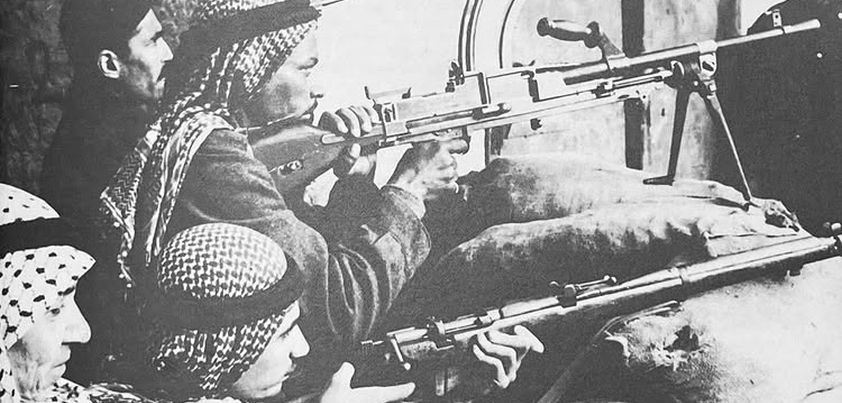 Set during the 1947-1948 civil war in Mandatory Palestine, this story by Samira Azzam describes a tragic romance between a Palestinian fighter defending the city of Acre and a young nurse who elected to remain after her family had fled. Both are idealistic and prepared to die out of love for their homeland. The girl is shot delivering a basket of bread to the starving men on the soldier’s roof-top barricade. The men face a dilemma… eat something prohibited under Islamic law (a dead dog), or bread soaked in the martyred woman’s blood. Themes include love, patriotism, courage, death. More…
Look at All Those Roses
 In this story by Elizabeth Bowen, car trouble on a deserted country road results in a woman spending several unsettling hours with an amazon of a woman and her seemingly psychic, paralyzed daughter. Her partner has walked to a nearby village to get help, and she becomes increasingly anxious. She falls asleep, and is in the middle of a disturbing dream when her partner returns in a taxi and rudely whisks her away. While in the village, he had heard a frightening rumor about the family. Themes include isolation and alienation, insecurity, emptiness, alternative reality (the white circle), rumor. More…
Mother and Daughter
 In this story from Gary Soto, the close relationship between a struggling single mother and her eighth-grade daughter is tested by a wardrobe malfunction at a school dance. Mrs. Moreno is a flamboyant, hard-working, devoted mother. Her daughter Yollie appears genuinely appreciative of her mother’s efforts and understanding of their financial position. After fleeing the fall dance to avoid embarrassment, Yollie directs her frustration and anger toward her mother. It is Mrs Moreno, not Yollie, who cries herself to sleep that night. The themes: motherly love and the hurt that can be caused by a single thoughtless action. More…