 In this story by Jill McCorkle, a woman hosting a dinner party for a group of her husband’s old friends is disgusted by the way the men joke about the bodies of women they had encountered at a strip club earlier in the day. She muses about modern man’s obsession with breasts, and the contrast between the privileged life of the wives present and the circumstances that might lead other women to take up such work. She confronts the men, along the way cynically threatening to open her own club called “Peckers”. Themes include machismo, sexualization, misogyny, beauty and womanhood. More…
The Princess of Nebraska
 In this story by Yiyun Li, a pregnant Chinese graduate student has traveled from Nebraska to Chicago for an abortion. The father, a former “dan” actor, is still in China and not returning messages. Accompanying her is a Chinese activist, who was the dan actor’s boyfriend before fleeing the country. Both are still in love with the actor, and the activist would prefer she keep the baby to lure him to America. In the closing paragraph, her resolve appears to weaken as the baby begins to move. Themes include repression vs. freedom, loneliness, sexuality, identity, choice vs. consequences. More…
This is What It Means to Say Phoenix, Arizona
 In this story by Sherman Alexie a young Native-American man enlists the help of a boyhood friend he had grown away from to go on a road trip to bring back his father’s ashes. The focus of the story is the relationship between the two, and how it reflects growing individual and cultural disconnection among tribal Native-Americans. The other man’s help is not in recognition of their former friendship, but rather out of obligation for a deed of kindness once performed by the dead man. Themes include poverty, storytelling, friendship, alienation, loneliness, forgiveness, decline of Native-American culture. More…
Through the Tunnel
 This coming of age story by Doris Lessing takes place as a British mother and her eleven-year-old son holiday at a foreign seaside resort. While the mother enjoys their regular “safe” swimming beach, she allows the boy to explore a nearby rocky cove. There, he watches local teenage boys as they dive from rocks and appear to navigate their way through a long underwater tunnel. Determined to match the dangerous feat and prove he is no longer a child, he practices for several days before trying himself. Themes include identity, isolation, independence, determination, courage, self-discipline and self-control. More…
Indian Camp
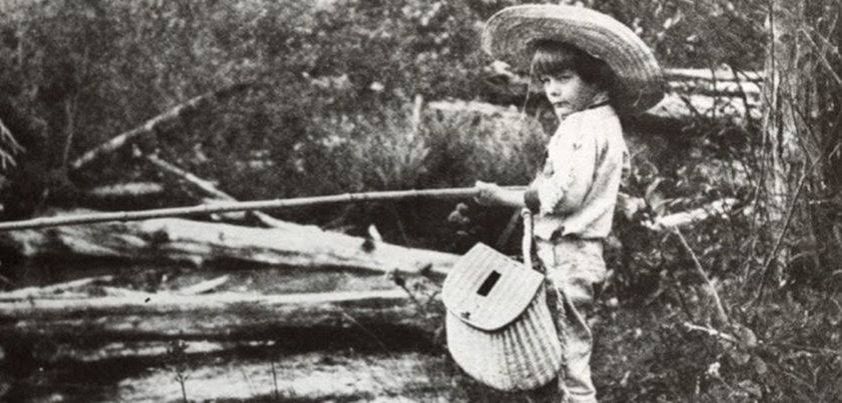 This story by Ernest Hemingway tells how a young boy ‘comes of age’ as he witnesses the saving of a woman’s life, the birth of her baby, and the death of her husband – all in the space of just a few hours. A feature of Hemingway’s short stories is that he often leaves important details open to the reader’s interpretation. In this story, we come away wondering why the woman’s husband killed himself. Some people suggest that the boy’s Uncle George may have had something to do with it. Themes: birth and death, suffering, masculinity, suicide. More…