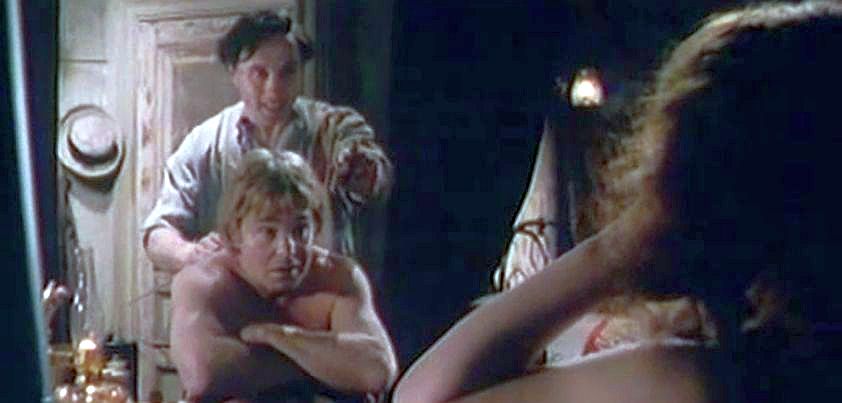
 The most frequently used adjective in describing this story by Roald Dahl is macabre. A former tattooist, who once had a struggling artist friend tattoo a picture of his wife on his back, has fallen on hard times. Destitute and too old to work, he comes across an exclusive gallery featuring an exhibition of his now famous friend’s work. He learns that his tattoo is now worth a small fortune, and is tempted by two offers to capitalize on its value. Themes include artistic struggle and appreciation, poverty, desperation, objectification, greed, temptation, deception. More…
The Ghost upon the Rail
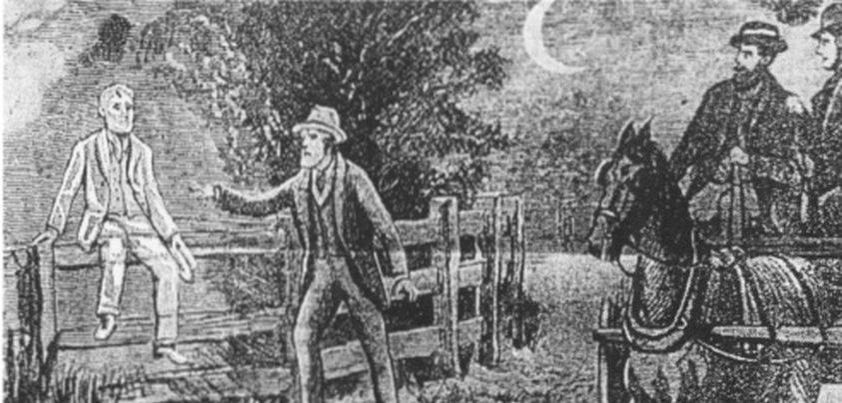 This supposedly true story by John Lang is set in the early 1800s. John Fisher had come to Australia as a convict. He worked hard, won his freedom and became rich. One day a neighbor tells everyone that Fisher has returned to England. A year later, he says that Fisher has written asking him to sell all he owns and send the money to him. According to this version, at about the same time three men (one a policeman) are returning home late one night. Sitting on a rail beside the road is Fisher’s ghost. This spoils the neighbor’s plan. More…
The Princess and the Tin Box
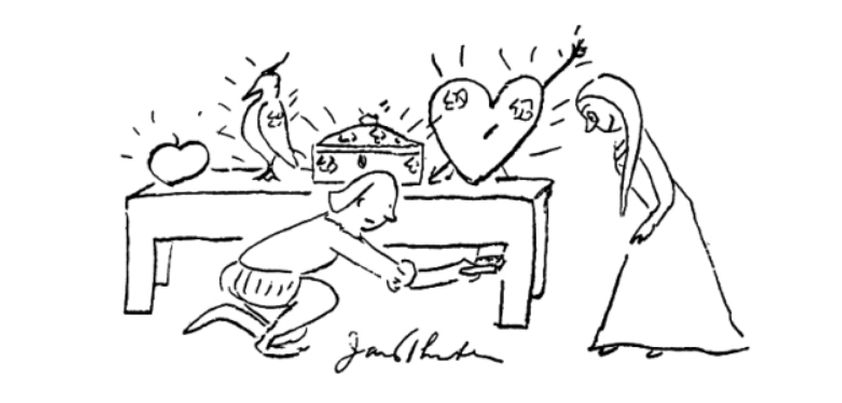 In addition to famous short stories such as The Secret Life of Walter Mitty and The Cat-Bird Seat, humorist James Thurber authored numerous “fables for our time”. Many of these satirize the fable/fairy-tale form and, in so doing, provide commentary on aspects of modern society. In this story, a king decrees that he will give his spoiled daughter’s hand in marriage to the prince who brings her the gift she likes the most. Readers are left wondering whether she makes the right choice. Themes: parental pressure/expectations, materialism vs. romantic love, realistic vs. “fairy tale” endings. More…
Babylon Revisited
 The protagonist in this bittersweet story from F. Scott Fitzgerald is in the process of rebuilding his life after losing everything in the aftermath of the 1929 stock market cash. Along with many other Americans caught up in the hedonistic 1920s Paris lifestyle, he had partied hard and drank to excess. When his wife died as he was recovering in a sanitarium, he was forced to give up custody of his then seven-year-old daughter. Two years later, he is determined to win her back. Themes: alcohol abuse and reform, wealth and poverty, fatherly love, self-discipline, alienation, guilt and regret, hope. More…
Fatso
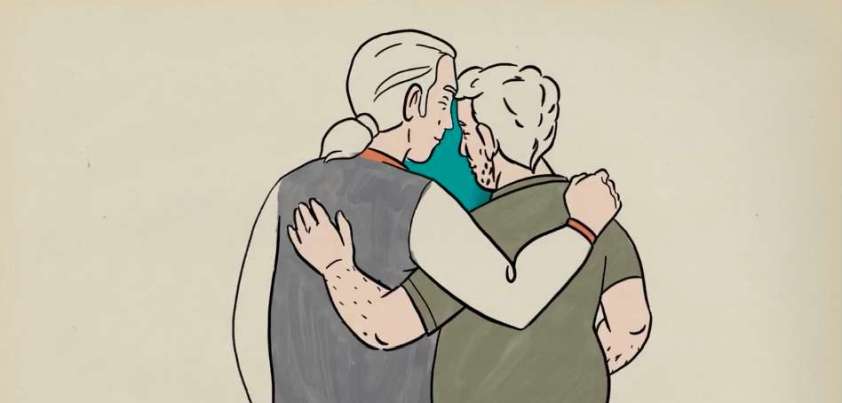 The concept of shapeshifting is not new. Examples exist in mythology, fairy-tales, and innumerable science fiction plots. The protagonist in this Etgar Keret story falls in love with a woman who is beautiful by day but, in a twist on Princess Fiona of Shrek fame, turns into a fat, hairy man by night. The man and womanly side remain lovers and even contemplate a family (ugh!), while he and the fat man become good friends. As absurd as the story might seem, it contains an important message about the role of friends in ensuring a complete and fulfilling life. More…