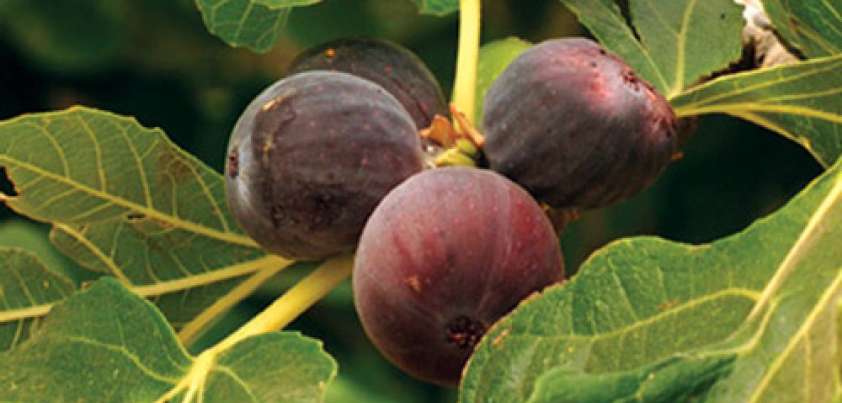
 This flash story by Kate Chopin packs several themes into less than 300 words. The most obvious are the different perspectives on the marking and passage of time. Maman-Nainaine is close to the land and marks events by natural cycles as opposed to the calendar. For her, like many older people, the weeks and months pass quickly. For Babette, thanks to the impatience of youth, time seems to move slowly when looking forward to something. The symbolism of ripening figs (representing the maturing of Babette into womanhood) and chrysanthemums (the “death flower” in Creole culture) indicate other possible themes. More…
Teacher Tamer
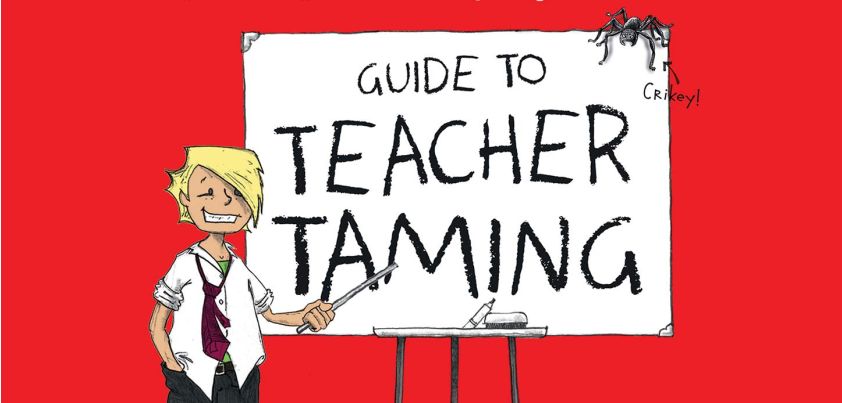 Edward Wortis (aka Avi)’s Teacher Tamer is a coming of age story about unfairness, revenge, peer pressure, compassion and courage. A burnt-out fifth grade teacher regularly punishes the most promising student in class for things he did not do. In a moment of anger, the boy plots revenge and boasts about it to classmates. Although the class bully questions his courage, others say that if he succeeds he will become the class hero. He feels pressured into going ahead. The plan ends in failure, but by the end of the story he is hailed by the nickname Teacher Tamer. More…
The Eyes Have It
 This story by Philip Dick takes a satirical look at the clichéd use of English idioms in popular fiction. Best known as a science fiction writer, Dick makes his point through the eyes of a man who believes he has stumbled upon an invasion of Earth by alien lifeforms that are so highly developed they can shed body parts at will. His story could cause major problems if more people were aware of it. In an age where it takes very little to set off a conspiracy theory, many people could ‘lose their mind’ wondering if it is true. More…
The Blind Men and the Elephant
 This children’s story from James Baldwin is based on a religious parable from India. Six blind men come across an elephant for the first time. Although they have often heard about elephants, they have never been close to one. They ask the elephant’s carer if they could try to ‘see’ what it looks like by using their sense of touch. At the end of the story, the blind men are arguing fiercely. Each of them has put their hands on a different part of the elephant’s body. Each of them believes that only he knows what the elephant looks like. More…
Flowers and Freckle Cream
 The protagonist in this story by Elizabeth Ellis is a twelve-year-old girl. Although set in the American backwoods around seventy years ago, hundreds of millions of men, women and children today share her desire to change their complexion or body shape to one considered more attractive by their peers. Major themes of the story are being comfortable with how you look and, as symbolized by the flowers, beauty comes in many shapes and forms. Minor themes are thoughtlessness (the mother’s comment ”You can’t make a silk purse out of a sow’s ear.”) and the wisdom that comes with advancing age. More…