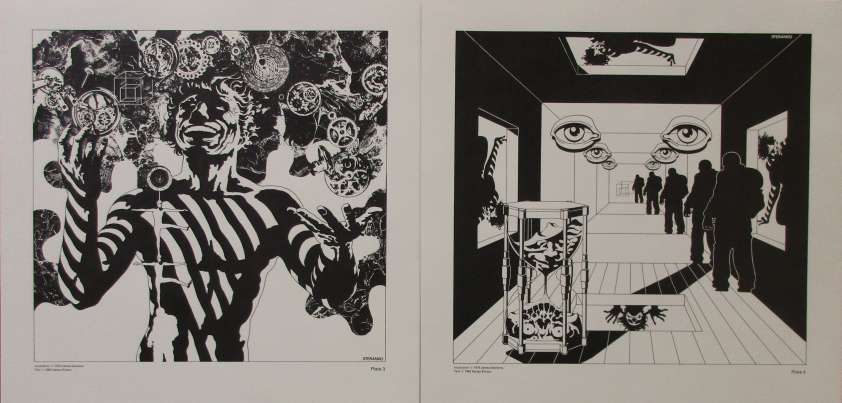
 This story by Harlan Ellison takes a satirical look at the way people can become slaves to time. In a future dystopian world, everyone and everything must be on time. The Master Timekeeper (aka the Ticktockman) is responsible for policing this. He has a special power: if someone is late to work or causes something to be delayed, that person has the lost time deducted from their lifespan. Only one man stands against him: a disruptive rebel who calls himself the Harlequin. Themes include totalitarianism, obsession with timeliness and productivity, misused technology, social regimentation, individualism, the futility of individual revolt. More…
A Boy and His Dog
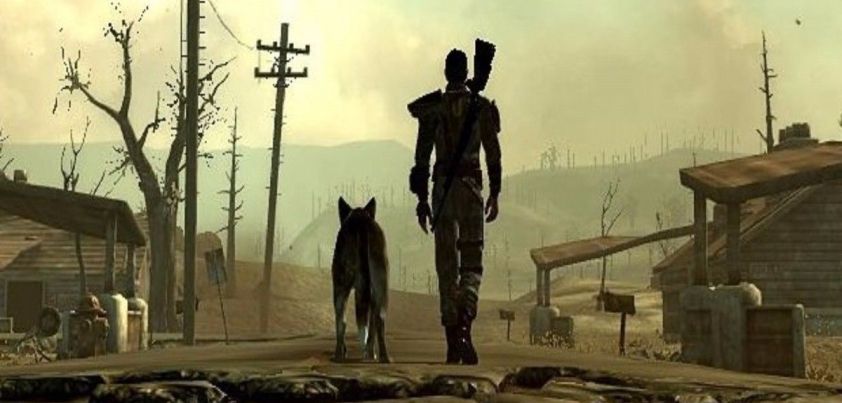 Written at the peak of the Cold War, this Harlan Ellison story takes place in a dystopic, post-apocalyptic world. ‘Civilized’ people have retreated to secure underground cities, leaving the desolate surface to ‘solo’ wanderers and lawless gangs who survive by foraging, violence and murder. The plot involves a young solo, his genetically manipulated telepathic dog, and an attractive young woman from the underground who almost comes between them. Despite the title, there is nothing “boyish” about the protagonist given what he and the girl get up to! Themes: anarchy, division, violence, loyalty, manipulation, betrayal, love. More…
Notes to My Biographer
 The narrator of this dark comedy by Adam Haslett is a mentally ill seventy-three-year-old. The proud, delusional man won’t acknowledge the problem, refuses to take his medication, and is in severe financial difficulty. After a road trip to visit his son Graham, the only family member who will see him, he comes up with an idea for a revolutionary new bicycle that will make both of them rich. Graham, who is secretly battling the same illness as his father, is left shattered by the visit. Themes include mental illness, pride, estrangement, loneliness, obsession, paranoia, sexuality, embarrassment, fear. More…
Rappaccini’s Daughter
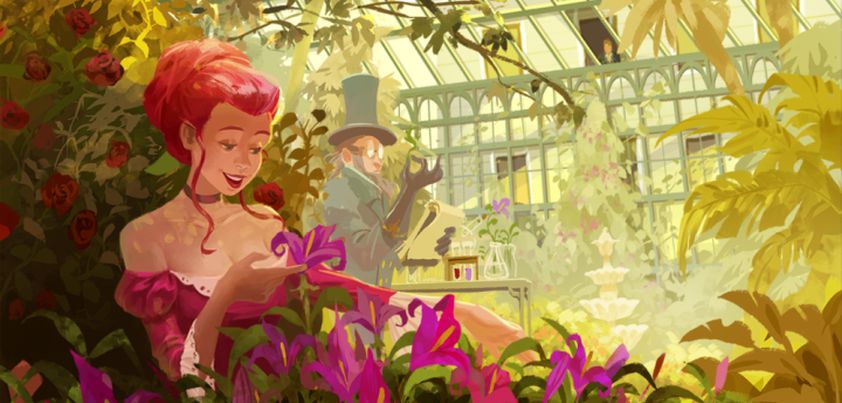 This story from Nathaniel Hawthorne takes the “mad scientist” motif to a new level. Renowned physician Rappicini is fascinated with the curative power of deadly plants. An experiment that makes his young daughter immune to their poison comes at a terrible price: her skin and breath become toxic to others. As the poor girl grows into womanhood, the twisted doctor decides to make a potential partner immune to her poison. Unfortunately for all, a scientific rival plants a different kind of poison in the man’s heart and hands. Themes: science vs. morality, innocence, nature, oppression, isolation, envy, love, betrayal. More…
Why I Learned to Cook
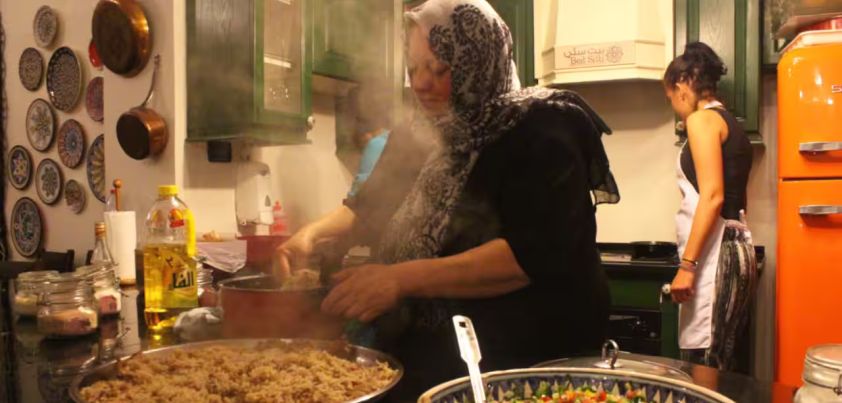 In this story by Sara Farizan, a bisexual Iranian-American teen makes her grandmother’s day by asking her to teach her to cook Persian food. Her request has an ulterior motive… to introduce the grandmother to her girlfriend. The teen had come out to her parents twelve months earlier, and her girlfriend felt left out by not being included in family dinners with her grandmother. Over dinner, the observant grandmother guesses the true nature of the girls’ relationship. Themes include family, love, sexuality, insecurity, fear of rejection vs. pride in who you are, acceptance. More…