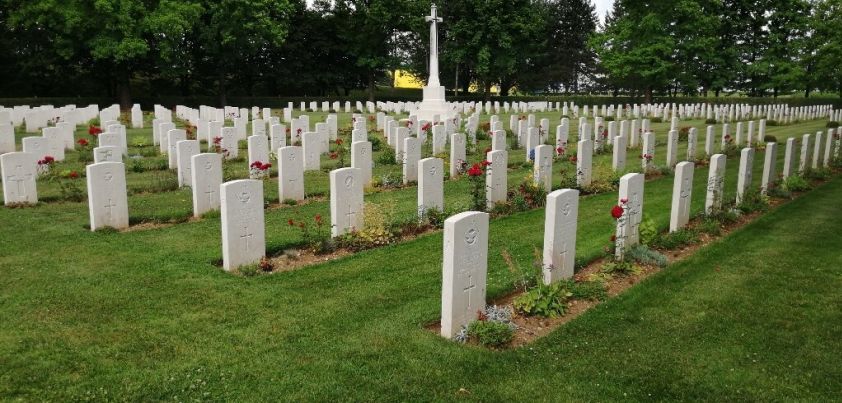
 If you are looking for an action-packed war story, this is not for you. Set in Italy during World War One, this story by Luigi Pirandello is a dialogue-packed discussion among the parents of men who are going or have gone off to war about its impact on their lives. The central themes are patriotism, duty, fear, sacrifice and grief. The climax comes when a man who claimed to be above grief because his son died honorably for his country breaks into tears when forced to confront the fact that the boy really is dead and gone forever. More…
Victory
 The enigmatic nature of this Vasily Aksyonov story about a casual chess game between a Russian grandmaster and a chance acquaintance stems from its interwoven motifs. Allegorically, the game represents a battle between the intelligentsia (the well-travelled, Dior-wearing grandmaster) and the common people (the brutish stranger). Additionally, as the game progresses the narration is interlaced with temporal shifts where the grandmaster experiences grim visions of desolation, hiding, escape and death. As he is about to be executed in the last vision, his opponent shouts “checkmate”. Themes include Western influence on Russian culture, class struggle, memories, insecurity, fear, ‘victory’ in survival. More…
The Near Departed
 In this story by Richard Matheson, a man hides a sinister secret as he visits a mortician to arrange an elaborate funeral for his wife. He emphasises that cost is unimportant. “There’ll be many people,” he says. “Everybody loved her. She’s so beautiful. So young. She has to have the very best.” The mortician reassures him that he will be more than satisfied and, after completing the necessary paperwork, says his people will collect the body within the hour. As they part, the mortician asks the man a question which he pretends not to hear. Themes include marriage, death, dissimulation. More…
Abuela Invents the Zero
 The major themes of this Judith Ortiz Cofer story are respect and consideration for the feelings of others. The protagonist’s (Connie’s) Abuela deserved respect because of her age and family contribution. Instead, Connie appears put out by her visit. Her tone in describing what happens from the moment Abuela arrives to events in the church is condescending and belittling, showing little cultural awareness or thought for the poor woman’s frailty and possible senility. The self-admitted “jerk” is more worried about the inconvenience and “look” (her social image) than her Abuela’s feelings. Other themes: family, aging, responsibility, embarrassment. More…
Magnificence
 This confronting story by Estrella Alfon explores one of a parent’s worst nightmares: the sexual abuse of a child by someone they know. An after-school tutor, loved and trusted by his two students, “loses control” and soils the dress of a seven-year-old girl he had placed on his knee. The major theme is the “magnificence” of the mother in confronting and humiliating the man. Set in 1950s Philippines, a secondary feminist theme is gender reversal and empowerment – the need for women to fight back against male mistreatment. Other themes include innocence, motherly love, child abuse, betrayal, absentee parenting (the father). More…