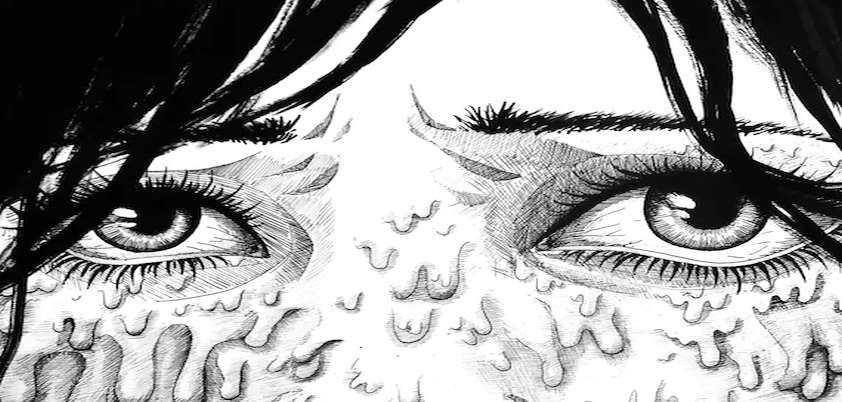
 The main theme of Angela Carter’s Snow Child is feminist gender stereotyping. There are no heroes here. A powerful, dominating and lustful Count humiliates his wife by wishing for a young girl and clothing her in the vain Countess’s furs. His masculinity and dignity are then stripped away as he weeps while defiling the child’s dead body. The usually submissive Countess experiences a moment of power as the Count guiltily hands her the rose that killed the child. This passes when a thorn prick fails to kill her, proving that she lacks the sweet innocence of the snow child. More…
A Fish Named Dog
 Like many children, the girl in this story by Christyne Morrell for Spider Magazine dreams of having a pet dog or cat. Unfortunately, this is not to be. Her parents give her a goldfish instead! To make sure her mother and father know what she really wanted, she names the fish “Dog.” This must have hurt the fish’s feelings because, much to the girl’s surprise, it begins to live up to its new name. By the end of the story the girl and fish are happy, her friends are amazed, and some readers may never want to eat fish again. More…
This Way for the Gas, Ladies and Gentlemen
 This almost clinical account of Tadeusz Borowski’s holocaust experiences explores an often overlooked aspect of the so-called “final solution”: how general prisoners forced to assist in sending the condemned to gas chambers became so desensitized to the brutality that many actively participated in it. Because of their access to discarded food and clothing, these men formed the “elite” among the prisoner hierarchy. In camp, their insensitivity to suffering prevailed and many looked down on and showed little compassion for the plight of “less fortunate” fellow inmates. Themes: man’s inhumanity to man, death and suffering, the survival instinct, detachment, guilt, rationalization. More…
The Cheater’s Guide to Love
 It is hard to like or feel any sympathy for the American-raised Dominican Harvard professor at the centre of this story by Junot Diaz. The serial cheater who slept with fifty other women over the course of a six-year relationship belatedly realizes that the fiancé who dumped him was “the one”. Over the next six years he struggles to deal with the consequences of losing her while facing debilitating physical conditions and constant racial taunts and profiling. Themes include love vs. desire, infidelity and its consequences, heartbreak, depression, self-awareness and redemption, racism. More…
Titanic Survivors Found in Bermuda Triangle
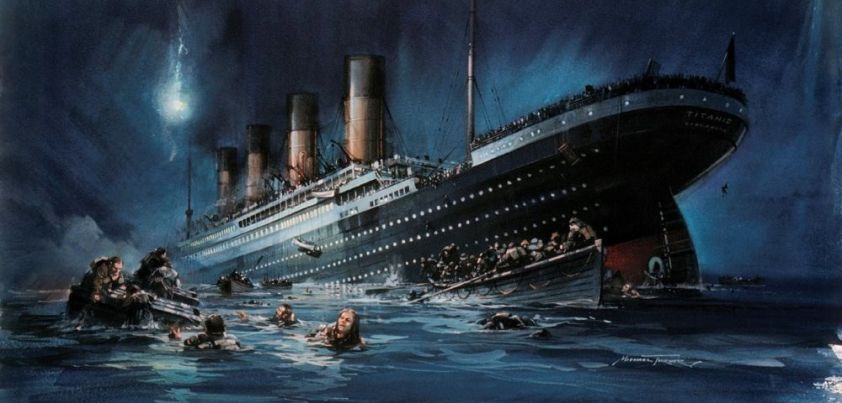 Robert Olen Butler’s Titanic survivor is an early 1900s women’s suffrage campaigner. After “waking up” in a lifeboat off the Miami coast in the 1990s, she realizes there is no place for her in the modern world. Women have been emancipated, and her family and friends are all dead. The only man she has ever had strong feelings for (other than her father) went down with the ship. Having lacked the courage to express her feelings at the time, she decides to find him again. Themes: change, father-daughter relationships, women’s rights, finding purpose and meaning in life, sexuality, misandry, love. More…