 In this Christmas story from Walter Dean Myers, a shrewd old woman teaches a new police patrolman an important lesson by inviting his family to Christmas dinner. Along with his co-workers, the policeman has a negative view of Harlem (the poor, often violent African American neighborhood in which he works) and doesn’t think it a fit place for a family visit. His wife insists on going, and the visit reveals another side of the community: “regular”, churchgoing families exchanging Christmas greetings on the street and celebrating the holiday together. Themes: Christmas, community, prejudice, understanding, aging gracefully, caring, sharing. More…
Double Birthday
 The major theme of this story from Willa Cather is daring to be different. The protagonist and his aging uncle have the same birthday. Both have suffered major losses: the protagonist, his share of his father’s fortune, frittered away on travel and entertainment; the uncle, a young musical protégée he undoubtedly loved. They share a house, living in the past among sentimental relics and resisting cultural aspects of “modern” (1920s) America. An unexpected visitor on their mutual birthday signals that things may soon change for the better. Themes include nonconformity, cultural dissent, judgmentalism, the price of “success”, and revitalization. More…
Flying Home
 In this story by Ralph Ellison a young, idealistic black man survives when his plane crashes into a field while training to become an air-force pilot. He has been obsessed with flying since a child, and believes that as a pilot he can dispel common stereotypes about the intelligence and capability of African-Americans. Ironically, although he is angry about the condescending way the air force’s white training officers treat him, he also demonstrates a condescending attitude towards the old black farm hand comforting him while awaiting help. Themes include childhood dreams, racism, injustice, ambition/search for identity, failure, shame, humiliation, anger. More…
The Drowned Giant
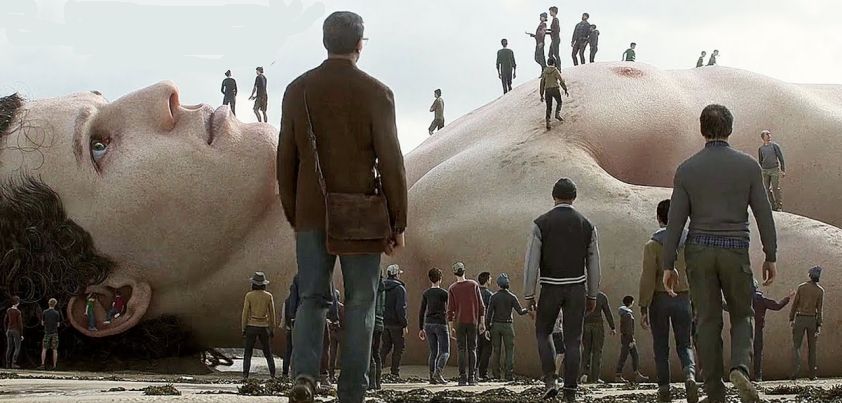 In this story by J. G. Ballard, the body of a giant man is dehumanized because of its otherworldly size. Left to rot on a beach, it first becomes a tourist attraction and later a source of exploitation as various body parts are taken for commercial purposes or as souvenirs. The narrator, who is clearly disturbed by the disrespectful way the body is treated, perceives it as having a transcendent, Homeric quality. This begs a fascinating question: What does it take to be considered human? Themes include humanity, identity, mortality, curiosity, fear (of a potentially superior race), fame, exploitation. More…
How to Tell a True War Story
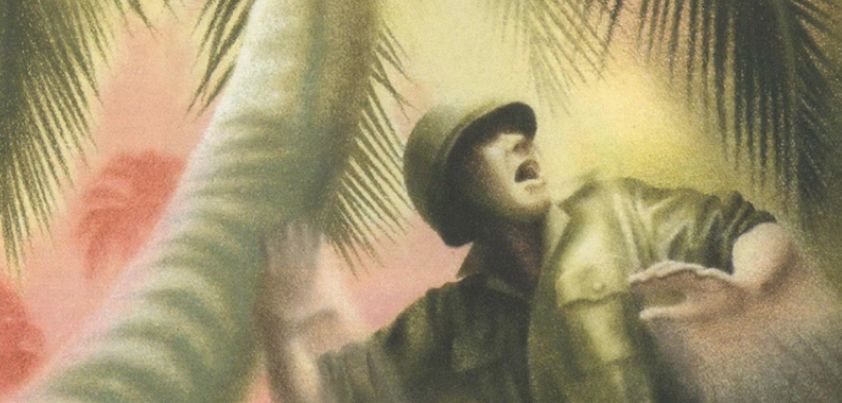 This metafictional story by Tim O’Brien uses observations on a small collection of stories related by soldiers to highlight the difficulty of faithfully communicating one’s wartime experiences. His central argument is that in war it’s difficult to separate what happened from what seemed to happen and therefore you lose your sense of the definite, hence your sense of truth itself. This leads to the seemingly paradoxical conclusion that in a true war story nothing is ever absolutely true. Themes include the nature of truth in storytelling, memories vs. imagination, the trauma of war, morality. More…