 This heartbreaking story from Anita Desai begins with a working-class Indian father’s proudest moment. His son, always exceedingly respectful to his parents, has topped the country at medical school. The son becomes a highly successful doctor, and fulfills his familial duty by caring for his parents in their old age. As the father’s mental and physical health wanes, their relationship changes. The son ceases to respect his father’s wishes, and implements a harsh treatment plan that includes progressive denial of the old man’s few remaining pleasures in life. Themes: sacrifice, success, respect, envy, rituals/traditions, aging with dignity, devotion vs. duty. More…
Stories of the Bad & Good Little Boys
 We are presenting these stories from Samuel Clemens (aka Mark Twain) together because, although the characters appear to be opposites, they actually support the same themes: 1) all people have a bad and/or selfish side; and 2) whether good or bad, people don’t always get the reward/punishment they deserve. While the bad boy appears inherently evil, the “good” boy’s motivation is his selfish wish for eternal praise. With its over-the-top sarcasm, the story of the bad little boy has an even more depressing message… bad boys grow into bad men, and the worst of them end up becoming successful politicians! More…
Pigs is Pigs
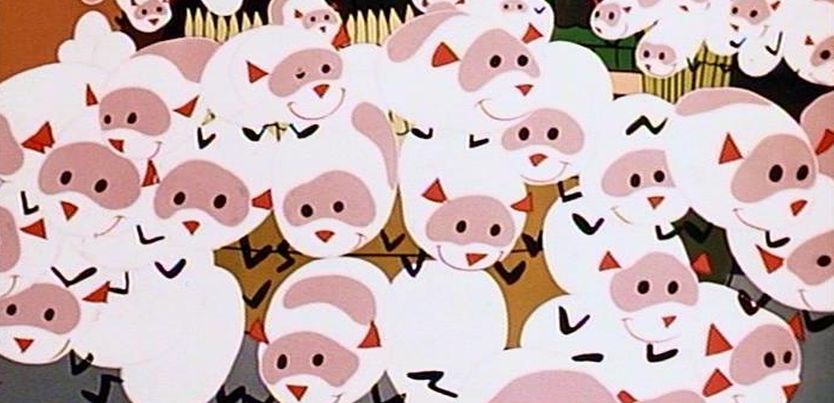 This humorous story by Ellis Parker Butler illustrates how excessive bureaucracy can have dire consequences. A customer argues with a railway freight agent who claims that two guinea pigs he has been sent should be charged as common pigs (sixty cents) rather than pets (fifty cents). The customer leaves the pigs with the agent, planning to collect them after complaining to the freight company’s Head Office. By the time the matter is settled in the customer’s favour, the ten-cent dispute has almost brought the company to its knees. Themes include misinterpretation, stubbornness, bureaucracy gone awry. More…
Drinking Coffee Elsewhere
 In this story by ZZ Packer, an African-American woman completing her first year at Yale University struggles with her identity and sexuality. Thanks to a comment during orientation, she is assigned a year of close-watch and psychiatric counselling. When not attending class she lives as a recluse, spurning friendships until linking up with an overweight white girl. The two form a close relationship with moments of sexual tension, until the friend comes out as a lesbian. The protagonist immediately cuts her off, later regretting the decision and wishing they could reunite. Other themes include misanthropy, loneliness, friendship, race, pretense. More…
Saboteur
 This story from Ha Jin begins with what appears to be a simple shakedown attempt by two corrupt Chinese policemen. The victim, who should have known better, attracts the attention of onlookers (who do nothing), resists arrest (a bad move) and challenges their station officer’s authority (bringing a weekend locked up in miserable conditions). When forced to “confess”, he faces loss of his reputation, job and wife. On release, he morphs from victim to villain. The original trumped-up charge was sabotage; his act of revenge is more like biological terrorism! Themes: police brutality and abuse of power, injustice, capitulation, revenge. More…