 In this story by R. K. Narayan, a widowed Indian snake charmer trains a monkey for his young son so the two can work together entertaining people in the streets. All goes well until the father runs away with a strumpet in a blue sari, taking the monkey with him. Left alone with the snake, which has grown too old to perform, the boy misses the monkey more than his father. He reluctantly keeps the snake after realizing it can’t survive in the wild, and looks for another kind of work. Themes include poverty, selfishness, abandonment, independence, loyalty, compassion. More…
Wedding Night
 In this touching story by Sait Faik Abasıyanık, a Turkish father belatedly registers the birth of his sixteen-year-old son so he can get married. Fortunately, the boy looks much older than he is. The minimum marriage age is twenty, and he must be registered as being twenty-four because his bride, who he has never seen, is twenty-six! The poor boy has been plied with alcohol, and is trembling like he did at his circumcision four years earlier. After a shaky start, they emerge from the bridal chamber happy. Themes include tradition, arranged marriages, naivety, anxiety, confusion. More…
The Encyclopedia of the Dead
 The legendary Encyclopedia in this story by Danilo Kiš records minute details of the lives of all people not famous enough to have a published biography. Readers encounter two sets of themes: those related to the book, and those arising from the protagonist’s dream about her father’s entry in the book. For the book we have egalitarianism (equality in eternity), individuality (each person is a star unto himself) and singularity (nothing in the history of mankind is ever repeated). For the protagonist’s dream, which ends with a supernatural twist, we have memories, love, aging, and coming to terms with death. More…
Four O’clock
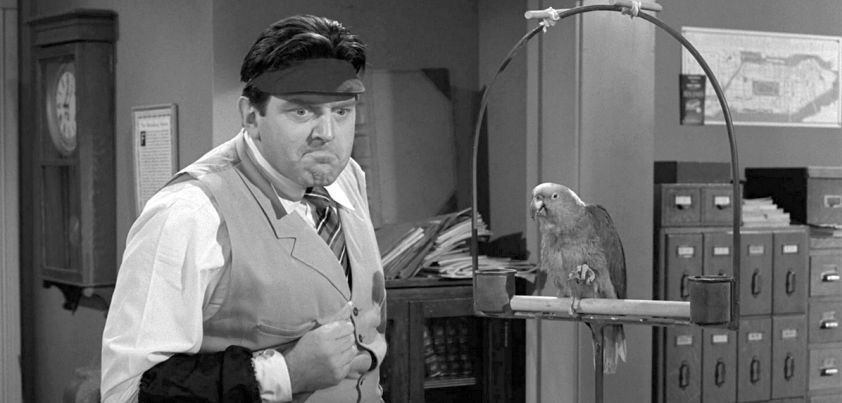 This is the one notable short story from award-winning journalist Price Day. A seemingly ordinary man has been given a series of “special powers” that could benefit mankind. He is too slow in using the first two (the power to ground war planes and prevent road accidents), and is determined not to do the same with the third: the ability to change evil people all over the world in a way that makes them easily identifiable. When he tries to do this, things don’t go according to plan. Themes: moral superiority, tempting fate (be careful what you wish for!), karma. More…
A Mystery of Heroism
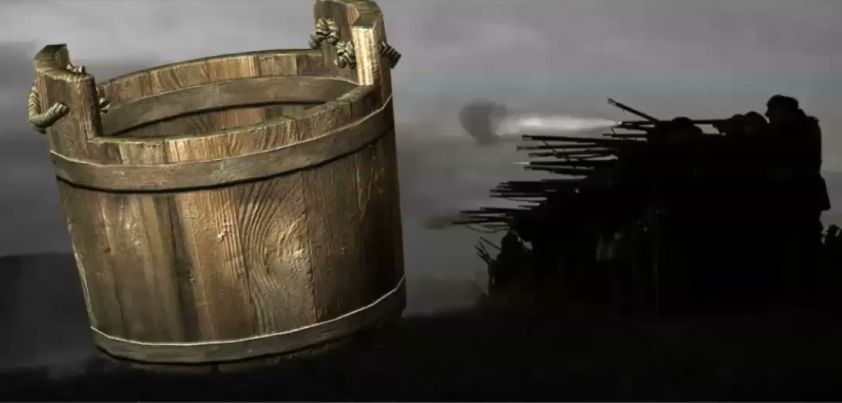 As the title suggests, this story from Stephen Crane explores the concept of what makes a “hero”. In trying to answer the question, the story considers issues such as recklessness vs. bravery and the danger of bravado. It also touches on perspectives of heroism. To an injured officer, the protagonist is a hero; to his fellow soldiers, he is an impetuous fool. The irony of a dropped bucket at the end of the story suggests that many acts of heroism in wartime are wasted, having no impact on the outcome. Themes: war, duty, death, bravado, pride, heroism. More…