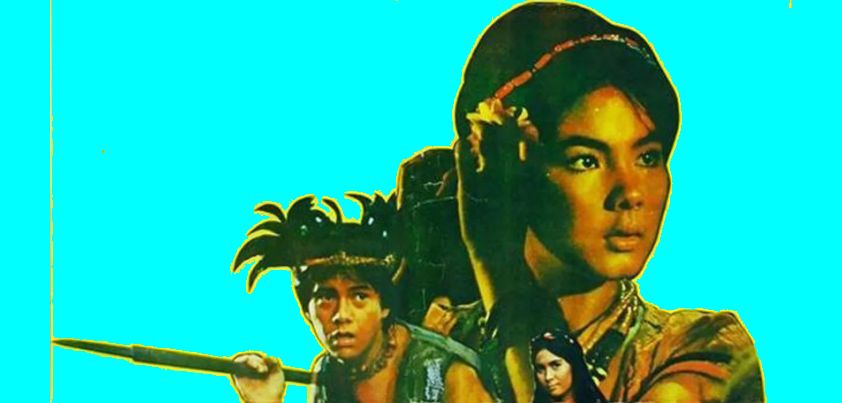
 In this novelette by Francisco Sionil José, a tragic love story between members of two rival, pre-colonial Filipino tribes highlights major themes of identity and personal freedom, the opportunity cost of cultural hostilities, and how corrupt rulers can entrench their position by encouraging fear of an enemy. The story begins on an ironic note, with a young warrior who yearns for the freedom to determine his own destiny impulsively kidnapping and enslaving a girl from the other tribe. The girl, whose name “Waywaya” translates as “freedom”, is cruelly robbed of hers. Other themes include social injustice, jealousy, prejudice, and sacrifice. More…
Theft
 The major theme of this story by Katherine Anne Porter is loss… a stolen purse, lost friendships and opportunities, loss in love, loss of youth, and loss of hope. The real “robber” in the story is the protagonist, a struggling, ‘not so young’ writer who prides herself on her trusting, easy-going, unmaterialistic nature. After receiving a letter ending a love affair and later having her purse stolen, she realizes that if she doesn’t take charge of her life and stop “letting things go”, she will end up with nothing. Other themes include apathy and self-delusion, alienation, love, rejection, guilt. More…
The Son from America
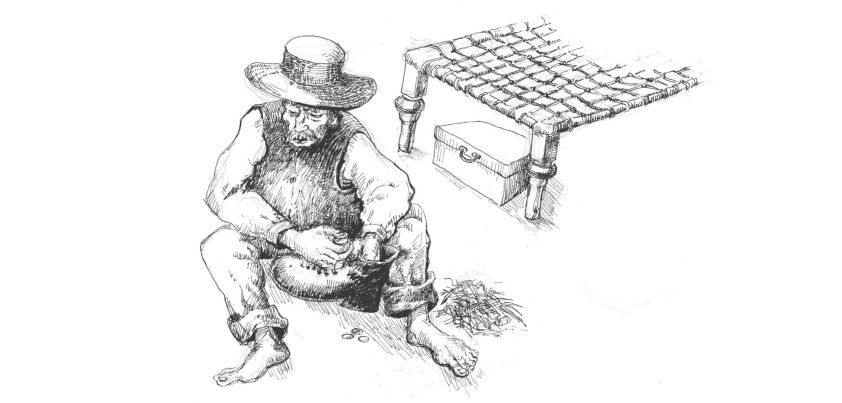 The major theme of this moving story by Isaac Singer is contentment. Set in a Polish farming village during the late 19th century, an old couple eke out a meager existence following their traditional way of life. Hidden away in their hut is a small fortune, saved from money sent over the years by their son in America. When the son visits with plans to provide further help and improve the amenities of the village, his offers are rejected. Additional themes: family, materialiam (money vs. happiness), religious faith, community spirit, change (urbanization, invention), pace of life (city vs. country). More…
Extra
 This story by Yiyun Li highlights the helplessness of the working class in China’s race to modernity. A fifty-one-year-old spinster comes of age after being retrenched by a bankrupt garment factory. Her next two jobs involve “extras”, people who have been cast off by their family. First, as wife/carer to a dying old man; second, as a maid in a boarding school where she experiences love in a special friendship with a rejected six-year-old boy. In a fit of temper, the boy does something that sees her jobless again. . Themes include social change, compassion, abandonment, isolation, maternal love, survival. More…
The Open Boat
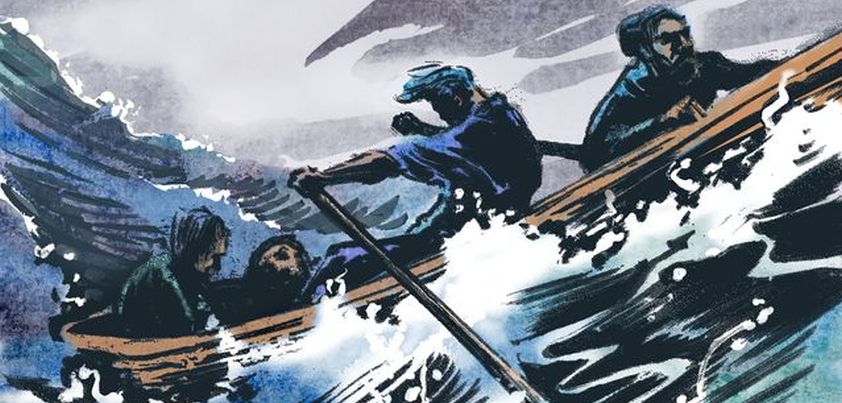 A remarkable aspect of this story from Stephen Crane is that it is based on an actual event in the author’s life. This adds credibility to what to me is a defining feature of the story: the way that throughout the ordeal four men from such diverse backgrounds were able to maintain their self-discipline and work so well together. The Open Boat is considered a classic in the literary style called “naturalism”. Such stories deal with the unforgiving power of nature and man’s struggle for survival. Themes: man vs. nature/the sea, perspective (appearance vs. reality), courage, teamwork, survival. More…