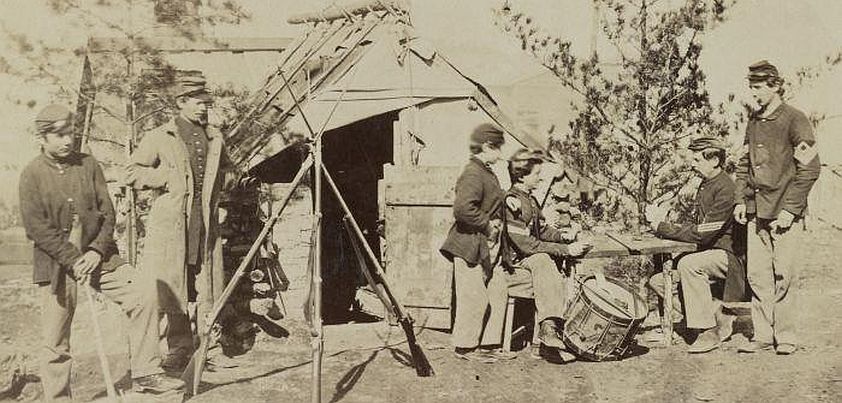
 This story by Ray Bradbury packs a lot of raw emotion, even though the “action” is limited to a single conversation that takes place over the course of no more than half an hour. A fourteen-year-old drummer boy who must march into battle with no gun or means of protecting himself is a bundle of nerves on the night before his first encounter with the enemy. An inspirational talk with his commanding general teaches him that his drum may be one of the most effective weapons in the army. Themes include isolation and loneliness, empathy, duty, fear, courage, death, honor. More…
The Mill
 The major theme of his story by H. E. Bates is exploitation: economic exploitation by parents who place their daughter in servitude, and sexual exploitation by her employer who rapes her on an almost daily basis. The most puzzling aspect of the story is the girl’s compliant, almost robot-like, demeanor, perhaps brought about by her father’s dictatorial bullying. It only when the girl arrives home after her employer’s son, the only man who has shown her any kindness, realises and tells her she is pregnant, that her eyes come to life with tears. Other themes include isolation, naivety, jealousy, fear. More…
(Because) We’re Very Poor
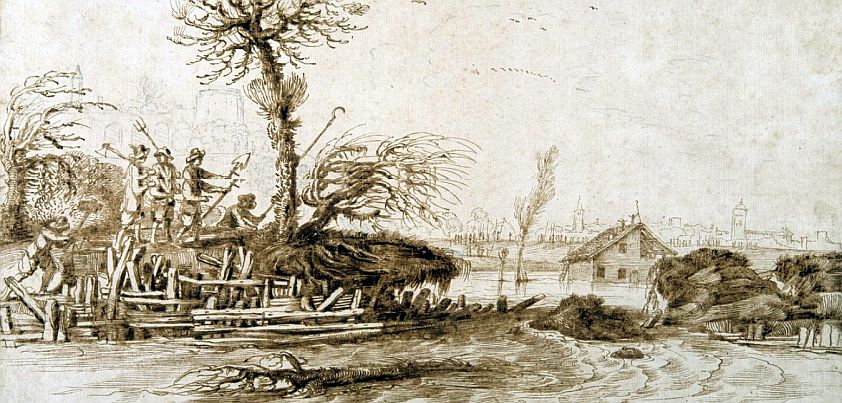 This story by Juan Rulfo describes the devastating impact of an unexpected flood on a post-revolutionary Mexican farming family and, in doing so, highlights the limited life choices available to children of the rural poor. Told in the form of a narrative by a boy, we learn that in addition to losing their entire crop, his family lost a precious cow intended to provide “capital” to prevent his twelve-year-old sister from following their older sisters into prostitution. His mother questions God; his father accepts their fate. Themes include family, poverty/social injustice, the unpredictability and power of nature, helplessness, fatalism, prostitution.
Naga
 In this story by R. K. Narayan, a widowed Indian snake charmer trains a monkey for his young son so the two can work together entertaining people in the streets. All goes well until the father runs away with a strumpet in a blue sari, taking the monkey with him. Left alone with the snake, which has grown too old to perform, the boy misses the monkey more than his father. He reluctantly keeps the snake after realizing it can’t survive in the wild, and looks for another kind of work. Themes include poverty, selfishness, abandonment, independence, loyalty, compassion. More…
The Heart of a Monkey
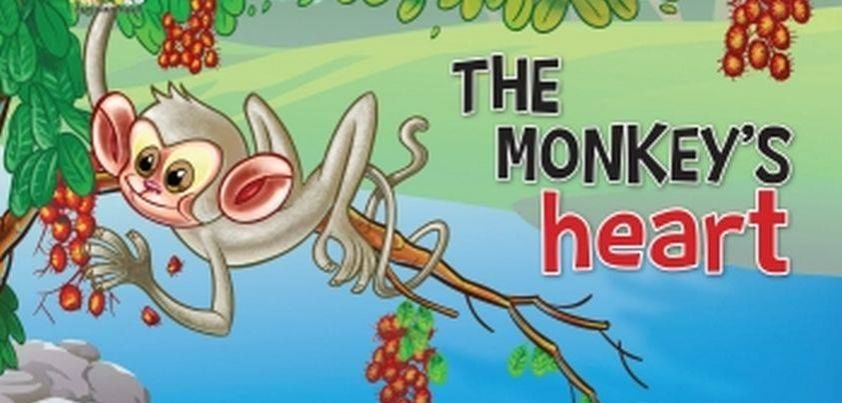 In this Swahili folktale, a monkey accepts the offer of a ride on a shark’s back to see the wonders under the sea. Once at sea, the monkey learns that the real reason for the trip is that the shark king needs a monkey’s heart to cure an illness. The monkey tricks the shark into returning. He then explains the trick by telling a story about a donkey, a hare, and a lion. One of the animals kills another. The third animal cooks it, but tells the killer there is no heart. Can you match the animals to the outcome? More…