 Most readers see Laurie, the subject of this Shirley Jackson story, as a naughty boy who tries to gain attention in kindergarten by misbehaving. He creates an alter ego named Charles to tell his parents what happens at school and later, to explain getting home late. However, there is an equally possible alternative interpretation. Laurie may have behaved quite normally at school and created an imaginary naughty classmate to gain attention at the dinner table. Both are consistent with the teacher’s vague assessment of Laurie. Either way, themes include behavior, identity, the desire for attention, deception, ambiguity. More…
Tam and Cam
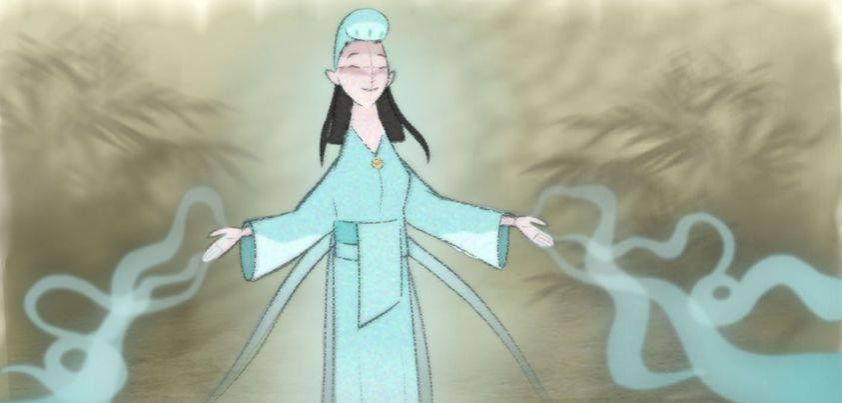 As indicated in our comments on the famous children’s story Cinderella, there are hundreds of folktales around the world that have the similar central plots. This Vietnamese version is longer and continues after the protagonist becomes Queen. The story from here on could only happen in a folktale from a country where people believe that after we die we can be born again in non-human form. The poor girl is killed twice after marrying the king, each time coming back to life in a different form. Fortunately, goodness wins out and the evil stepsister soon finds herself in hot water. More…
Nightfall
 As once described by Isaac Asimov himself, Nightfall (is) the tale of a world with eternal sun that is suddenly plunged into total darkness and utter madness. Hailed as one of the greatest Science Fiction stories ever written it tells how, in preparation for the potential end of their civilization, a group of forward-thinking scientists have created a safe place to store their world’s accumulated knowledge and hide a select group of “survivors”. Themes: science vs superstition (cultism), having the courage of one’s convictions, sensory deprivation, insanity, mob hysteria, scientific hubris. More…
Recitatif
 This story by Toni Morrison explores the relationship between two women of different race who meet as eight-year-olds in a children’s shelter and become reacquainted at several points in the future. In addition to conflicts that arise as their lives move in different directions, both remain haunted by recollections of the ill-treatment received by a disabled kitchen-hand who worked at the shelter. An unusual aspect of the story is that although a major theme is racism, we never learn the ethnicity of the two women. Other themes: friendship, alienation, prejudice, disability, parenting, memory. More…
One Thousand Dollars
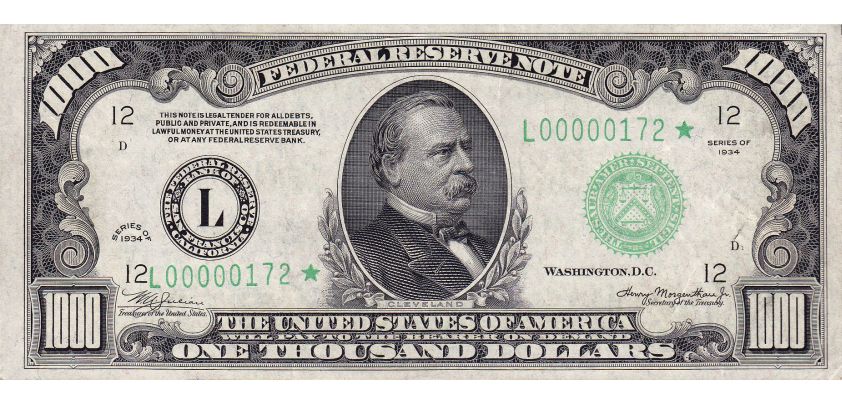 The twist ending in this O. Henry story has most readers believing that, after receiving an inheritance of $1,000 from an uncle and canvassing various options, the protagonist sees the error of his spendthrift ways. He then tells his uncle’s ward, who he loves and was left very little, that the money was left to her. And later, despite his profession of love being rejected, he contrives for her to receive an additional $50,000 to which he becomes entitled. Is this a story of selfless sacrifice, or could there be a further twist? Themes include change, deception, selflessness, generosity, love. More…