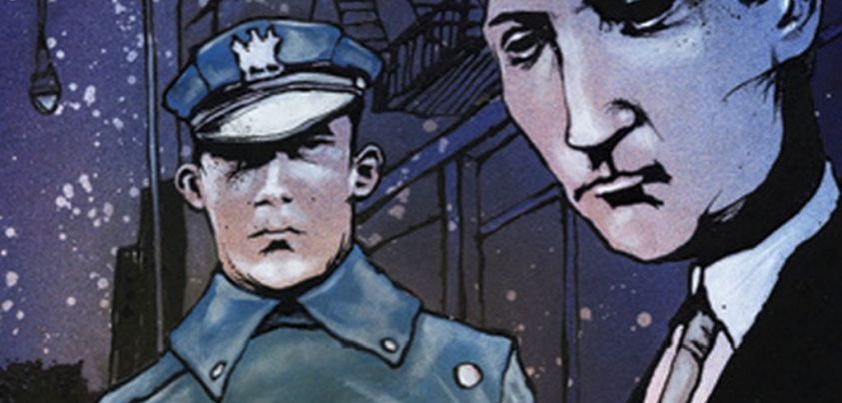
 This story by O. Henry shows how keeping a promise to a friend can sometimes have adverse consequences. Two boyhood friends lose touch after one of them decided to “go West” to make his fortune. When he left, the two made a solemn promise to meet again outside their favorite New York restaurant in twenty years. Both kept the promise, and it is likely that after the meeting both regretted the way it went. Themes include friendship, honor (keeping one’s word), loyalty vs. duty, time and change, crime and justice. More…
Jacklighting
 In this story by Ann Beattie, a troubled couple who have travelled from New York to Virginia each year to visit a free-spirited friend and his brother on his birthday, make the trip once more on the birthday following his death. The trip is ostensibly to comfort the friend’s brother. Ironically, although each of them clearly loved the dead man and is in need of closure, they suppress their feelings and do not even talk about him. Themes include friendship, the burdens and unpredictability of life and death, death as relief from suffering, grief and mourning. More…
The Canterville Ghost
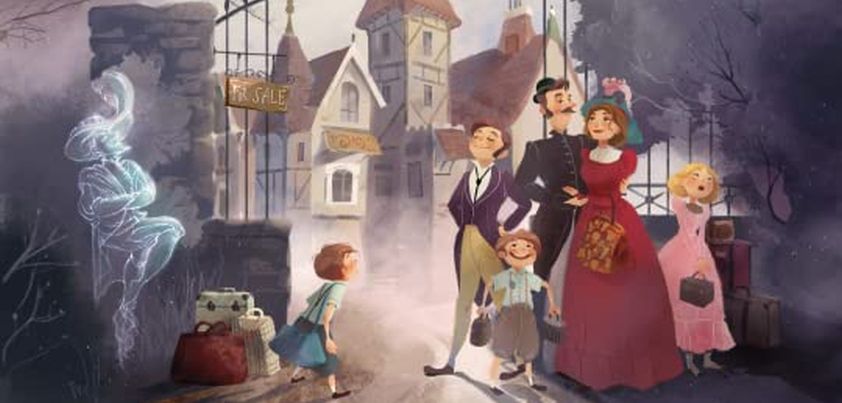 Oscar Wilde is known for his comedic, usually satirical stories that focus on the shallowness and hypocrisy of the Victorian upper class. He goes several steps further in this playful ghost story, also mocking the brash practicality of wealthy Americans and some of the common devices used in horror and romantic literature. A fascinating aspect of the plot is the way Wilde builds sympathy for his spectral protagonist before revealing the petty reason the cruel man murdered his unfortunate wife. Themes: (general) British vs American culture, tradition, compassion; (the ghost) duty, artistry, suffering, atonement, redemption, peace. More…
The Pagan Rabbi
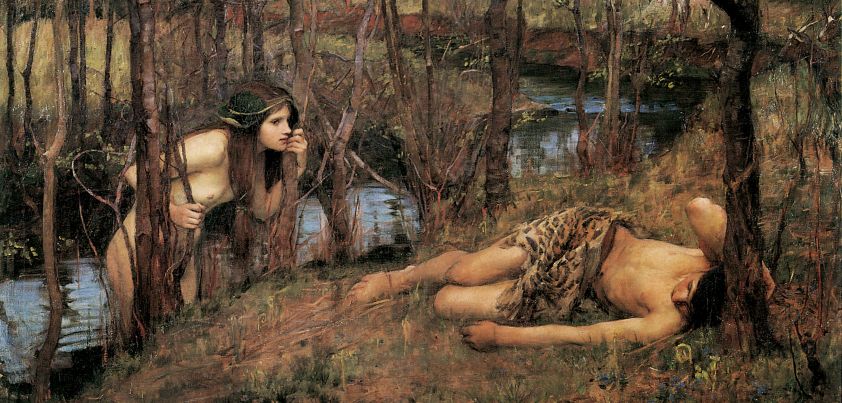 This story from Cynthia Ozick is about a highly respected Jewish scholar who is driven to suicide as he tries to reconcile the strict tenets of his religion with the philosophical (pagan) concept of immortal “free souls” existing in Nature. This so affects the rabbi’s mind that his suicide note refers to several encounters with a dryad (wood nymph). Some of these are sexual, which he clumsily tries to rationalize with: Scripture does not forbid sodomy with the plants! Themes: Jewish identity; marriage and family; friendship; philosophy (search for meaning in Nature); death; sanity/suicide; (lack of) understanding and forgiveness. More…
You’re Ugly, Too
 Lorrie Moore’s protagonist Zoë is a small-town college professor. She is a free-spirited, “almost pretty”, emotionally troubled woman whose efforts to forge relationships without being a “Heidi” have achieved the opposite. Her witty, cynical one-liners have alienated colleagues, students and suitors alike. Central themes are loneliness, the expectations of men, and the role of sex in relationships. An offensive, misogynistic “big city” blind date confirms her misgivings about marriage; a medical scare and consequent thoughts of death bring into focus what she sees as the futility of her life. Other themes: isolation, alienation, appearance, gender roles, mortality, nihilism. More…