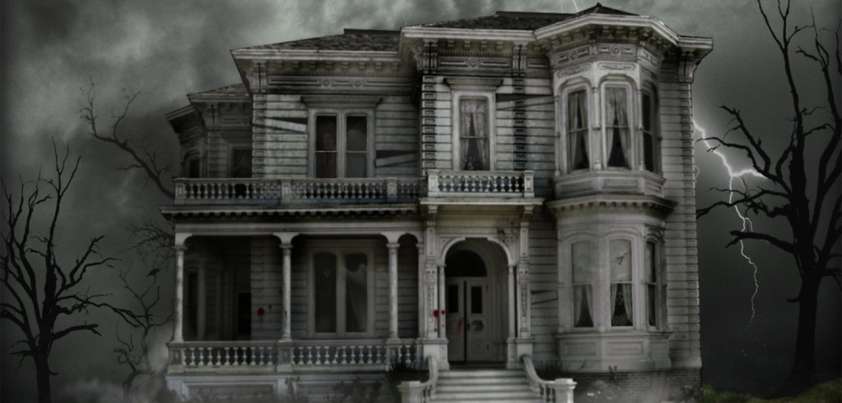
 Richard Matheson fans may find Slaughter House hard going as he drops his normal crisp, easy to read writing style to experiment with the formality of mid-Victorian writing. The result: some very obscure vocabulary and long, pompously formal sentences that sometimes appear disjointed and confusing. The story itself is captivating. Two brothers, whose described relationship suggests a little more than brotherly love, fall for the lustful ghost of a young woman that enchants, has its way with, and then tries to kill them. Only one of the three survives! Themes include insanity, homoeroticism, seduction, jealousy, the supernatural! More…
The Bog Man
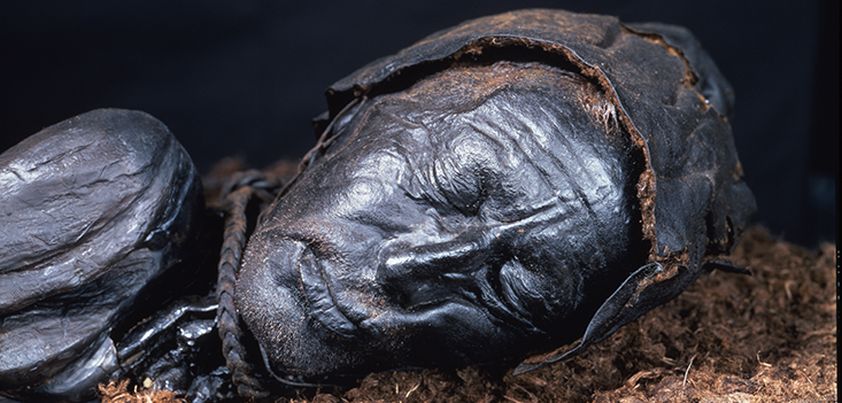 As in an earlier Margaret Atwood story, The Age of Lead, The Bog Man revolves around a long-dead body. A university student’s hero worship of her archaeology professor leads to a torrid affair during which she accompanies him as his ‘assistant’ to inspect a 2,000-year-old body preserved in a Scottish peat bog. As his invisible wife comes between them, she feels “cheap and furtive”. Recognizing his shallowness, she ends the relationship. Like the bog man, over the years he becomes flatter and more leathery, as life goes out of him in her mind. Themes include infatuation, sexual exploitation, desire, guilt, empowerment. More…
Servant Girl
 In this story by Estrella Alfon, a hard working Filipino servant girl works for a mistress who is a heavy drinker and often verbally and physically abusive. She rejects a local man who says he loves her, and is infatuated with an “angelic” cochero who once helped her after a fall. After a particularly brutal beating, she runs away to look for the cochero, who she fantasizes is in love with her. She finds him, but he doesn’t remember her. Seeing things more clearly, she returns home. Themes include social class, innocence, workplace abuse, humiliation, perseverance, fantasy, violence, enlightenment. More…
Greyhound People
 This story by Alice Adams consists of several “snapshots” of the narrator’s encounters with fellow passengers on Greyhound buses. Recently divorced and facing potential homelessness, the woman’s self-esteem is at an all-time low. Taken in by an overbearing friend, her life has deteriorated into a daily grind. Faced with an inter-city bus commute morning and evening, the situations she encounters and people she meets awaken her to a whole new world. For perhaps the first time in her life, she begins to act independently and step out of her comfort zone. Themes: isolation, insecurity, friendship, dependency, anxiety/fear, personal growth. More…
The Ghost upon the Rail
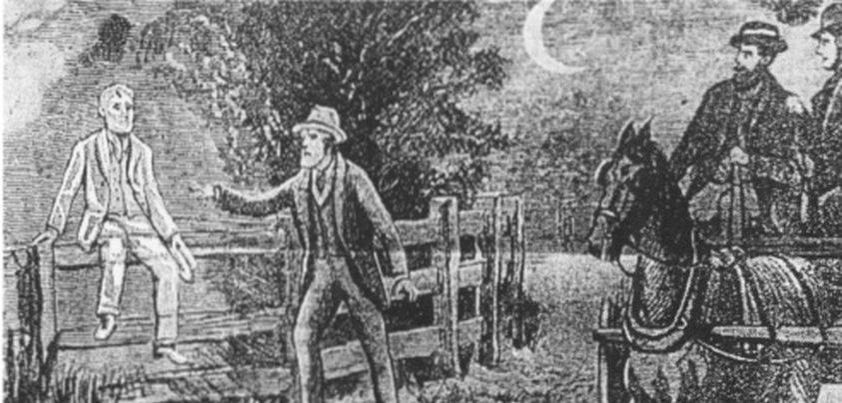 This supposedly true story by John Lang is set in the early 1800s. John Fisher had come to Australia as a convict. He worked hard, won his freedom and became rich. One day a neighbor tells everyone that Fisher has returned to England. A year later, he says that Fisher has written asking him to sell all he owns and send the money to him. According to this version, at about the same time three men (one a policeman) are returning home late one night. Sitting on a rail beside the road is Fisher’s ghost. This spoils the neighbor’s plan. More…