 In this thought-provoking story from Roberto Bolaño, a father and his twenty-two-year-old son go on an ill-fated vacation together. The two men are very different. The father is a sociable truck-driver who likes a good time, usually involving alcohol and women. Although no prude, his son is a broody intellectual who enjoys reading poetry. The holiday appears doomed from the start. Despite some tender moments, a tone of impending disaster builds throughout the story. It is fitting that, when danger finally strikes, father and son face it together. We aren’t told the outcome, because it’s not important to the story. More…
Jacklighting
 In this story by Ann Beattie, a troubled couple who have travelled from New York to Virginia each year to visit a free-spirited friend and his brother on his birthday, make the trip once more on the birthday following his death. The trip is ostensibly to comfort the friend’s brother. Ironically, although each of them clearly loved the dead man and is in need of closure, they suppress their feelings and do not even talk about him. Themes include friendship, the burdens and unpredictability of life and death, death as relief from suffering, grief and mourning. More…
Diary of a Madman
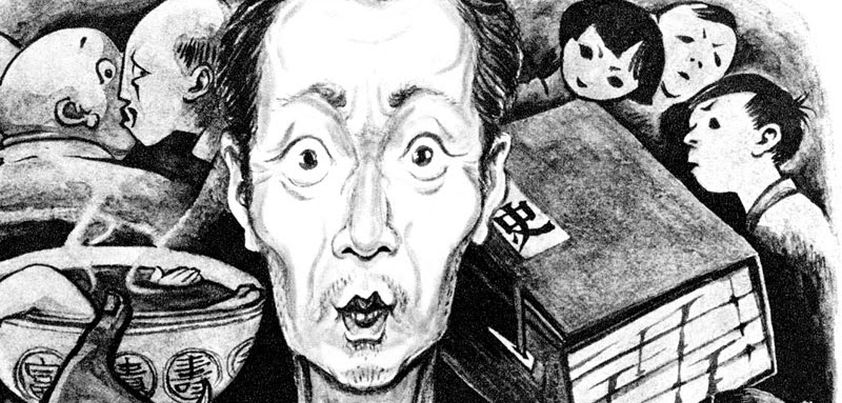 Lu Xun‘s diarist suffers from paranoia, stemming from strange looks he thinks he is getting from fellow villagers. On learning of an act of ritual cannibalism in a neighboring village, he concludes that those around him, including his own brother, are planning to make a meal of him. The story has several interpretations. The most common is that it satirizes the outdated Confucian traditions of Chinese feudal society. An opposing view is that it cautions the May Fourth period’s New Culture Movement against indiscriminately overturning (eating) all past traditions. Themes: madness, cannibalism, tradition, betrayal. More…
The Revolt of “Mother”
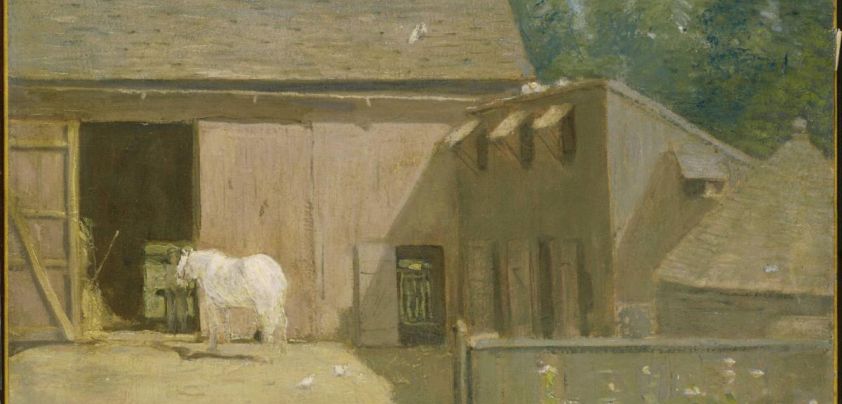 This Mary E. Wilkins Freeman story is an early example of American literary feminism. When Adoniram, an insensitive, authoritarian farmer decides to build a barn on the site of a promised new house and refuses to discuss the issue, his long-suffering wife takes a stand. Sarah, the hard-working and devoted “Mother”, sees his need to spend a few days away as a sign from God. Much to the surprise and amusement of the local community, she goes about turning the new barn into a home. Themes: gender roles/repression (male domination), insincerity (false promises), spirituality, rebellion. More…
The Two Frogs
 This Japanese folktale teaches some important lessons. Two frogs from different cities set off on a journey, each wanting to visit the other’s city. They meet on a mountaintop halfway and accidentally look back at their own city, thinking it their destination. Deciding that the two cities look the same, they each return home. Possible morals: 1) If you really want to do something, learn all you can about it before you start; and 2) Don’t look for reasons to give up in the middle of something important. They are too easy to find and you may be sorry later. More…