 This story by Bjørnstjerne Bjørnson opens with the wealthiest and most influential peasant in his parish asking for special treatment in the baptism of his son. He visits the priest on behalf of the boy on two subsequent occasions… to have him stand first in his confirmation, and to publish the banns for his marriage. Shortly after the last visit, his son drowns. A year later, the devasted and humbled man sells his farm, gives half to the church, and promises to do “something better”. Themes include pride (in seeking to elevate his status), loss, achieving humility through suffering. More…
Open It / Khol Do
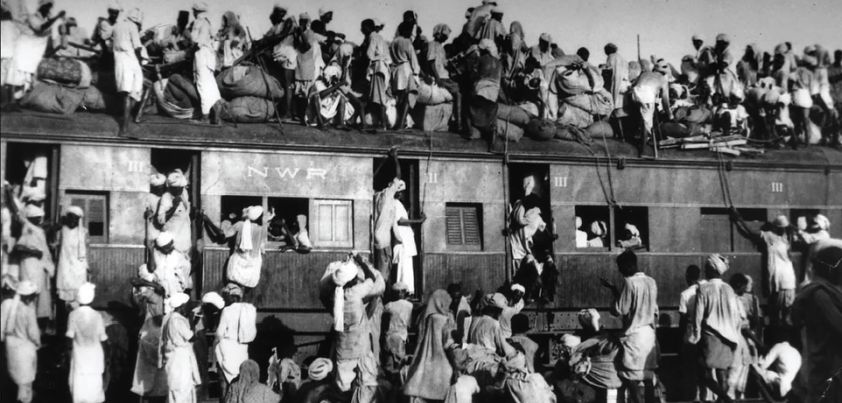 Set in the aftermath of India’s Partition, this story by Saadat Hasan Manto highlights how a total breakdown in law-and-order led to many predatory attacks against women. A father, separated from his seventeen-year-old daughter as they fled after his wife was disembowelled in front of them, desperately searches for her in a refugee camp for Indian Muslims evacuated to Pakistan. Some camp volunteers agree to look for the girl. They are successful, but do not return her. When found, her corpse displays a shocking conditioned reflex. Themes include displacement, chaos, gendered violence, depravity, fatherly love, despair. More…
The Subliminal Man
 This 1963 story from J. G. Ballard envisions a dystopian future where people’s lives are conditioned by subliminal messages disseminated through advertising billboards and the mass media. The hidden messages, which appear to be officially sanctioned ‘to stimulate the economy’, compel people to buy things they don’t need or replace perfectly good recent purchases. Ominously, the major products involved are linked to powerful monopolies. The story is a biting satire of (then) modern advertising and its contribution to the post-war consumerism and rising household debt levels of the 1950s. Themes: conspiracy, technology, advertising, consumerism, debt, dehumanization (loss of free will). More…
Vengeful Creditor
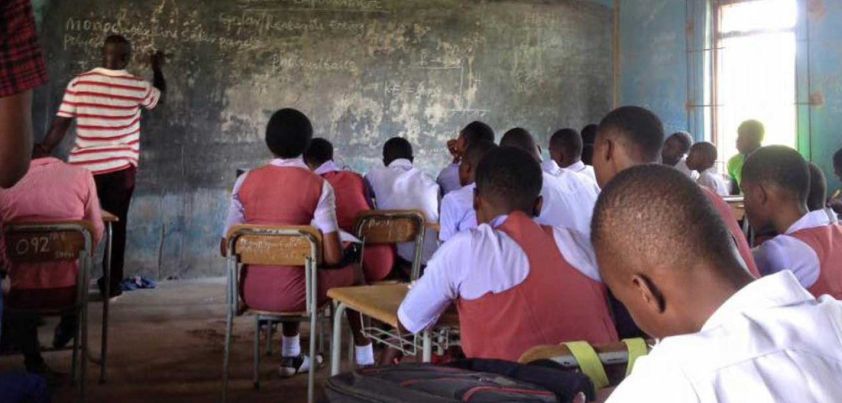 The major themes of this story by Chinua Achebe are political hypocrisy, class conflict, and education as a pathway out of poverty in postcolonial Africa. Other themes include exploitation, child labor and city vs. country life. A government introduces free education for all as an election ploy, but later abandons the policy due to its cost and resultant cheap-labor shortages. The vengeful creditor is a ten-year-old girl subsequently employed by a rich family as a baby-nurse. When they are too slow keeping what she thought was a promise to pay for her schooling, she decides to impose a heavy penalty. More…
The Postmaster
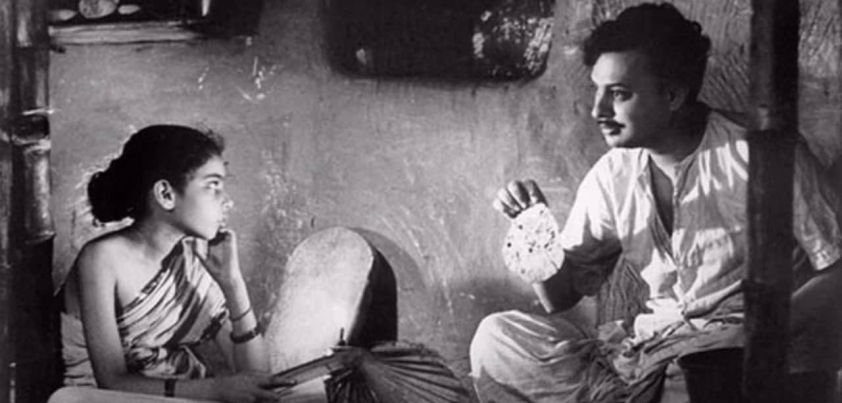 For me, the major theme of this Rabindranath Tagore story is the insensitivity towards others under India’s caste system. An inexperienced postal officer from a big city is sent to work in a remote rural village. He lives a lonely, isolated life because class differences and immaturity make it difficult for him to integrate into the local community. His only companion is his housekeeper, a young orphaned girl. The two develop a strong bond, which leaves the devoted girl shattered with her callous treatment when he decides to leave. Other themes: natural beauty, alienation, loneliness, memories, family, companionship, guilt. More…