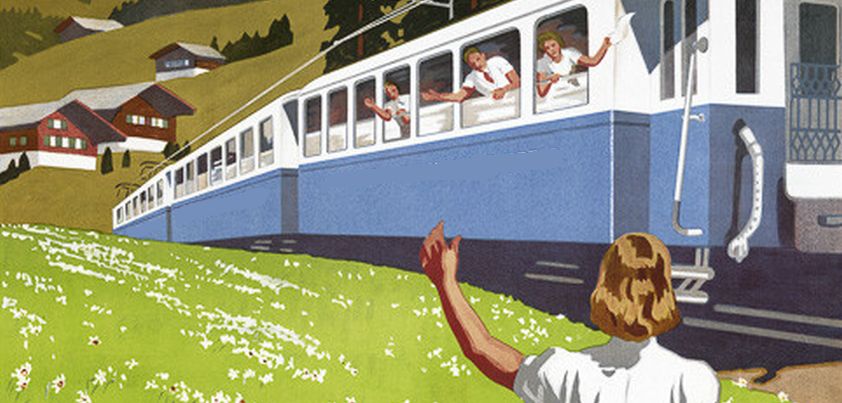
 This Julio Cortázar story involves two “games”. One is the daily Statues role-play three adolescent girls perform to entertain passengers on a passing train. The second is also a game of pretend… ignoring the effect a debilitating disability will have on one of their lives. For the disabled girl (Letitia), Statues is the only physical activity in which she can match the others. They in turn are resentful of Letitia’s special treatment at home. When a boy on the train takes a special interest in Letitia, both games end. Themes: fantasy vs. reality, envy, guilt, confronting disability, coming of age. More…
The English Pupil
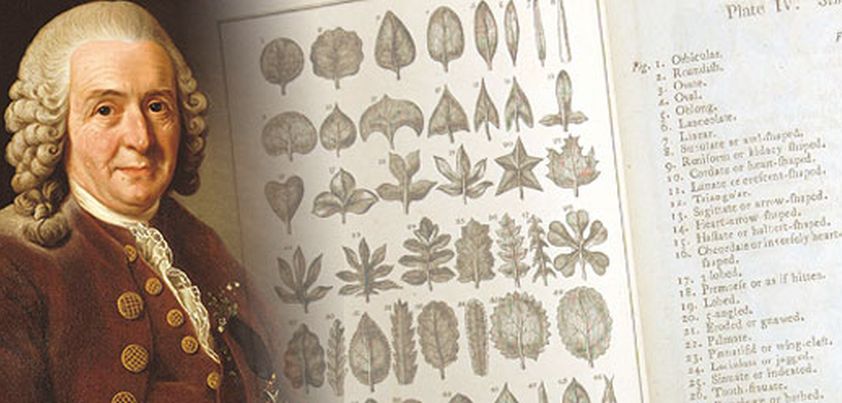 In addition to being a celebration of the life and work of renowned biologist Carl Linnaeus, major themes of this touching story by Andrea Barrett are aging, memory and approaching death. The dying scientist has his coachman take him to his empty country estate where, amid a fog of fading memories, he reminisces about his life and the fate of some of the “apostles” he sent around the world to collect biological specimens. Later, he is joined by a concerned daughter and an unknown man he imagines to be his only surviving pupil. Other themes include family, pride and regret. More…
The Blue Jar
 In this Isak Dinesen (aka Karen Blixen) story, a shipwreck leads to a quest. A sailor rescues the daughter of an art-collecting nobleman from a burning ship. They spend nine days alone in a lifeboat, during which they become lovers. The nobleman pays the sailor to return to sea, and she spends the rest of her life sailing the world, ostensibly seeking a uniquely colored Chinese porcelain jar. The jar, a symbol of the woman’s lost youth and time in the lifeboat, becomes her final resting place. Themes: enduring love, class, aging, beauty in art vs. the beauty of nature. More…
Désirée’s Baby
 Kate Chopin’s Désirée’s Baby Kate Chopin’s Désirée’s Baby reflects the culture of America’s ‘Deep South’ in the mid-1800s. The name Désirée originates from the French word for desire. Armand Aubigny, a young plantation owner who is proud, bigoted and harsh on his slaves, marries the orphaned Désirée for her beauty. He is not concerned about her unknown background until she has a mixed-race baby. His reaction causes Désirée to run from the house and flee with the baby into the bayou. Some weeks later, Armand uncovers an even more devastating secret. Themes (see below) include love, impulsiveness, racism, elitism, shame and/or vindictiveness, and identity. More…
The Machine That Won the War
 This story by Isaac Asimov remains relevant today as technology plays an increasing role in controlling everything from military applications to crucial infrastructure. An inter-planetary war has been won, Earth is safe, and three men bask in the glory. Ironically, it wasn’t won by a machine or any of the three ‘experts’. It was won either by chance or because of problems experienced by the enemy. Pointedly, no thought is given to the rights and wrongs of the war, or the suffering on both sides. Themes include war, hubris, the fallibility of machine and human decision-making, chance. More…