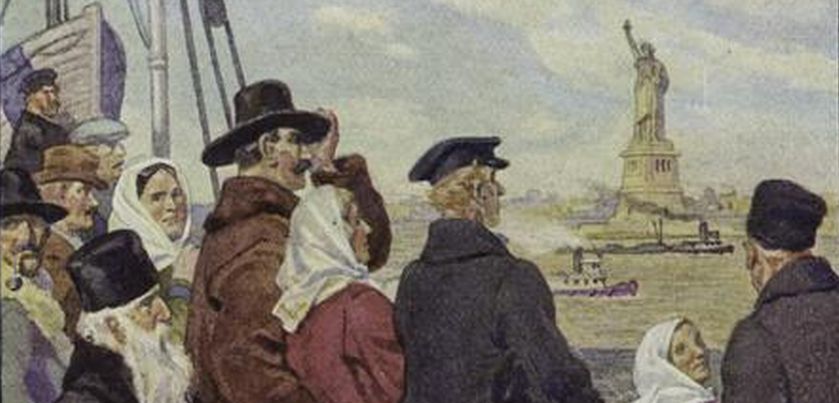
 In this semi-autobiographical story, Anzia Yezierska begins by outlining her expectations of life in America as a young Russian immigrant in the late 1800s. Instead of a land of acceptance, equality and opportunity, she experiences alienation, exploitation and poverty. Although her situation improves as she develops English proficiency and vocational skills, her factory job is not satisfying. Fortunately, the study of American history leads to the revelation that her adopted country is a world still in the making, and helps her find a fulfilling purpose in life. Themes include innocence, poverty, immigration and cultural diversity, assimilation, opportunity, fulfilment.
The world, and America’s need for unskilled migrants, has changed. Yezierska laments the fact that America was unable to tap the human and cultural potential of many other immigrants of her day. Sadly, the poor woman would turn in her grave if she knew how far off the mark the idealistic prediction expressed in her last paragraph has proved to be.
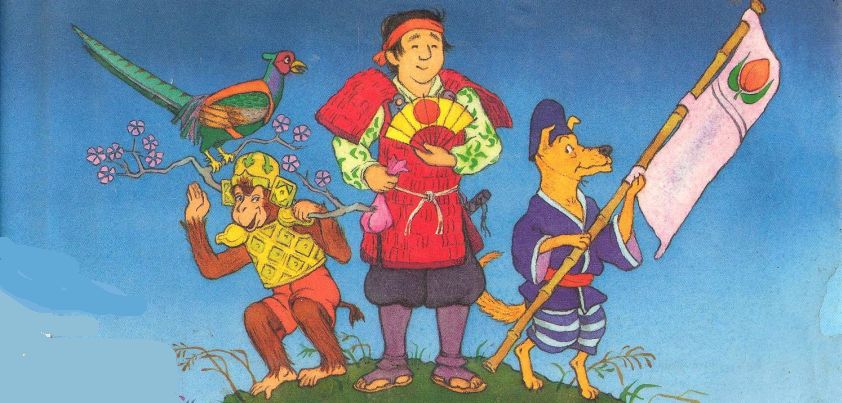 In this famous Japanese folktale, a childless couple’s prayers are answered when a giant peach splits open to reveal a baby boy. The boy grows up to be the strongest and wisest lad in the land and, at fifteen, decides to give his poor parents an easier life by traveling to an island off the Northeast coast of Japan, destroying a band of cannibalistic demons that are terrorizing the land, and bringing back their treasure. Along the way he gathers troupe of anthropomorphic animal friends who, in predictable folktale form, help him easily win the day.
 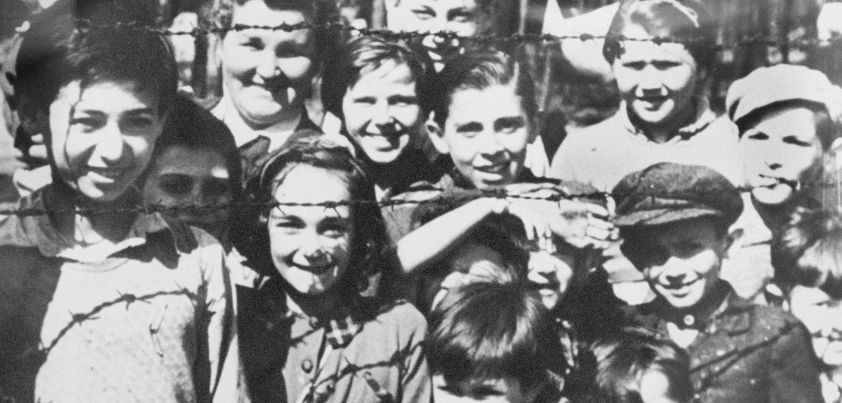 Given the ever-increasing number of refugees across the world, the themes of this
  This story by
  Drying Out is from