 The major theme of this story from Stephen Crane is the taming of America’s ‘Wild West’. The instrument of change is the railroad, which brings ‘Eastern’ ways to previously isolated communities like Yellow Sky. The town’s Marshall, who returns from a city visit with a new wife, symbolizes the transition. As the couple approach their new home, where things will certainly be different for the Marshall, they are confronted by the town drunk spoiling for a fight. When the ‘showdown’ doesn’t go as the drunkard expects, he realizes the old days are gone forever. Other themes: community, marriage, fear, violence. More…
Javni
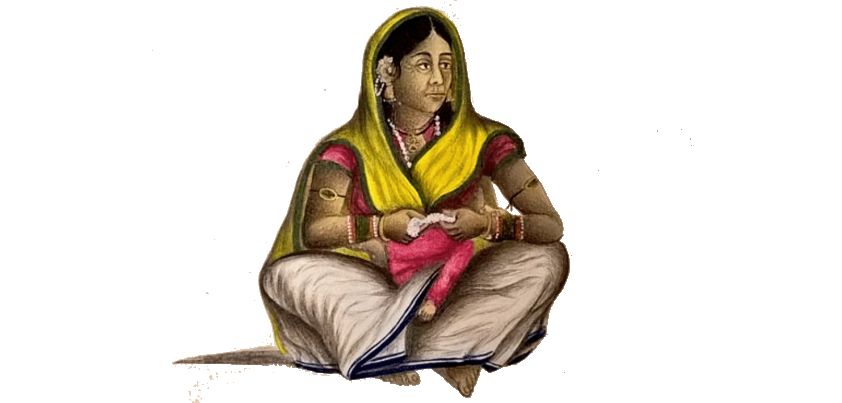 Raja Rao’s Javni highlights the inequity of India’s caste system and how it is so interlinked with religious beliefs that most of those affected accept their lot without question. (A Brahmin is not meant to work. You are the “chosen ones”… you are the twice-born. We are your servants — your slaves.) Javni, a devout servant, accepts the exploitation and indignities suffered at the hands of her employer as a normal aspect of working life. Sadly, being a widow, the poor woman faces even greater cruelty from her family and fellow villagers. Themes: compassion, innocence, religion, fate, superstition, cruelty, sacrifice, love. More…
The Jungle
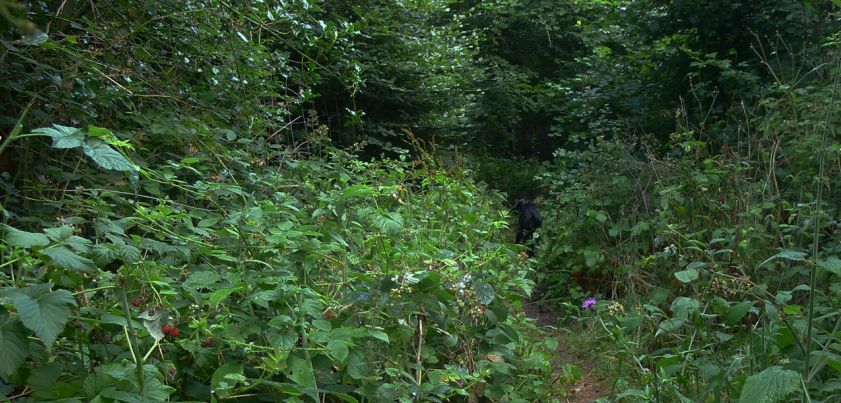 The “jungle” in this story by Elizabeth Bowen is a sealed-off area of woods overgrown with tussocks of bramble (blackberry bush) near an English boarding school. It becomes a secret haven for a lonely student, a fifteen-year-old girl who has difficulty maintaining friendships with others in her class. Things change when she breaks tradition and bonds with a girl in another class. The relationship has its ups and downs, largely because of her new friend’s assertiveness, and culminates in an implied sexual awakening in the jungle. Themes include alienation, teenage relationships, social class, escape, sexuality. More…
The Intoxicated Years
 This story by Mariana Enriquez is set during one of Argentina’s worst economic crises. As their parents struggle for economic survival and fight their own demons, three late-teenaged girls are given almost total freedom. With no respect for adults or their conventional peers, the thoroughly dislikeable trio pursue a hedonistic, drug and alcohol fueled lifestyle. The socially detached girls pledge a bond of “sisterhood”. When a punk rocker causes one of them to distance herself, the others exact violent retribution. Themes include alienation, social isolation, alternative culture, drug dealing and abuse, betrayal, revenge. More…
Examination Day
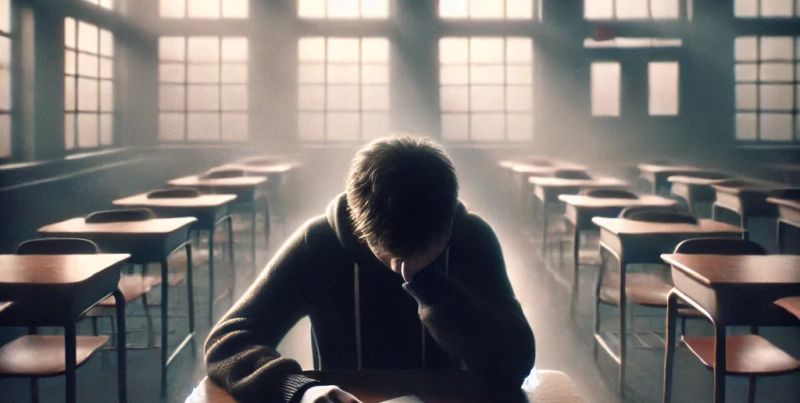 Set in a late 20th century dystopian society, this story by Henry Slesar questions the acceptable limits of government control. A couple appears tense at the breakfast table on what should be a happy day, their only son’s twelfth birthday. The following week, the boy must take a government intelligence test. Although the father appears poorly educated, struggling to answer basic science questions, his son does well at school and is confident of passing. To their horror, he does even better and aces the exam. Themes include government control, fear, oppression, conditioning and acceptance, eugenics. More…