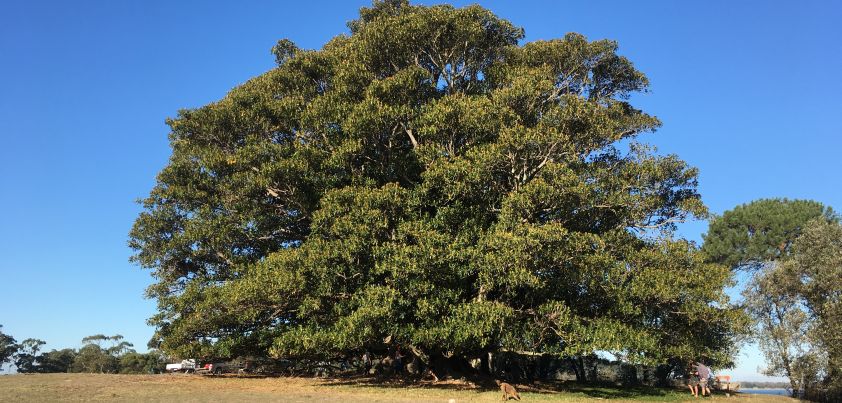
 This story by Judith Wright is a tribute to the pioneering families who tamed the harsh Australian outback. A man comes into possession of his great-grandfather’s diary. In search of his roots, he visits the cattle station on which his ancestors had settled. He finds what he came for in a weeping fig tree planted by his great-grandmother… a mass of green and the tallest tree for miles. The tree stands as a testament to his forefathers’ courage and determination, and in reconciliation for their failure. Themes include man vs. nature, the pioneering spirit, hope, suffering and defeat, reconciliation, identity/connection. More…
The Three Sillies
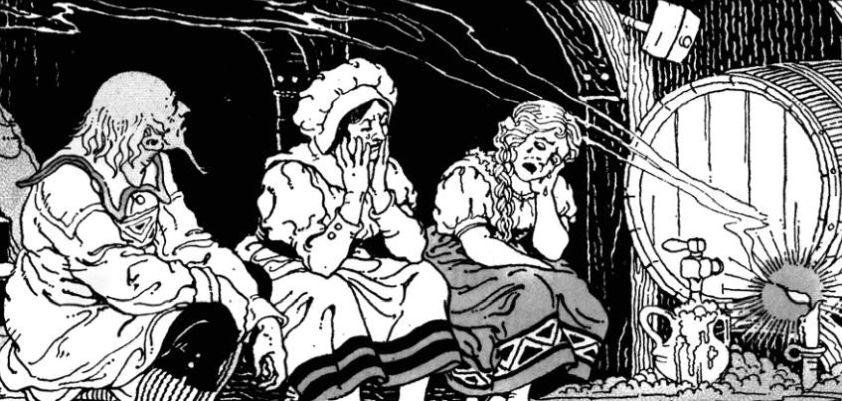 Not all folktales are designed to teach or explain. Some, like this one, were popular for their entertainment value. In this story, a rich young man finds that the woman he loves and her family are not very clever. He decides that he will only marry the girl if he can find three people sillier than they are. A woman trying to push her cow up a ladder, a man who can’t get his trousers on, and a whole village trying to rescue a shadow from a pond prove that there certainly are sillier people in the world. More…
Real Food
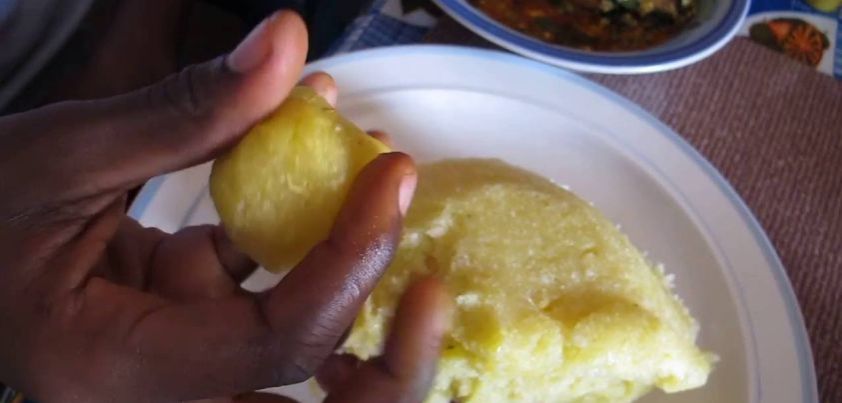 In this story by Chimamanda Ngozi Adichie, the term real food means food that is traditional to a culture. In Nigeria, the staple traditional dish is a type of flour known as garri. The girl in the story feels sick when she eats “swallow” (small lumps of cooked garri dough dipped in soup). She complains that it makes her throat itch, which indicates she may be allergic to it. Although the girl’s educated mother is understanding and accommodates her eating preferences, less informed relatives see this as a sign that she has abandoned her culture. Themes: family, culture, identity. More…
Who Will Greet You At Home
 In this surreal horror story from Lesley Nneka Arimah, children are created in the form of craft dolls by their mother, blessed by their grandmother or an elderly substitute, and nurtured for a year until they “become flesh”. In the interim they feed, move and act like babies, but in their doll form. The dolls can be made from any material (straw, sticks, clay, etc.) that is strong enough to last a year. But there are rules. When Ogechi, the impoverished protagonist desperate to have a child breaks one, bad things happen. Themes: magic, poverty, exploitation, isolation, obsession, motherhood. More…
The Madness of Doctor Montarco
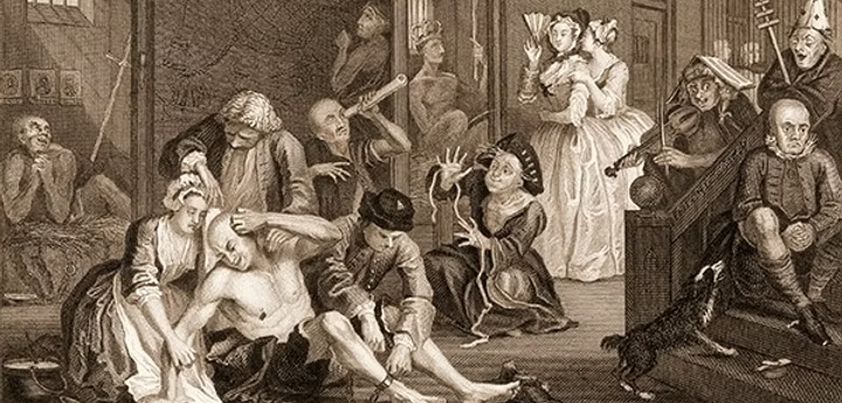 This story by Miguel De Unamuno highlights the danger of defying societal expectations in culturally backward, late 1800s Spain. When a highly respected physician begins to publish increasingly bizarre satirical short stories as a pastime, his patients express concern over his ability to treat them. Despite assurances from another doctor, they desert his practice and question his sanity. Such talk eventually leads to him entering an asylum where he spends the rest of his life a confused, broken man. Themes include individualism, intellectual complacency (of the Spanish masses), duality (logic and practicality vs. fantasy and satire), the nature of madness. More…