 In addition to its themes of love, trust, family and perception, this Ursula Le Guin story carries two important messages. The first is that we are often so blinded by our love for someone that we fail to notice subtle hints that may indicate flaws or emerging problems in their character. The second is that there are always two sides to every interaction between sentient beings. To many humans, wolves are wild, dangerous predators to be shot on sight. To wolves, man is a feared aggressor who all too often attacks and kills them for living as nature intended. More…
The Sky is Gray
 Set in the American South during the 1940s, this coming of age story by Ernest Gaines features an eight-year-old African-American boy from an impoverished family. Suffering a toothache, his mother takes him so see a dentist. During the trip he experiences the humiliation of segregation, is inspired by a debate in the dentist’s waiting room, stands up for his mother when threatened in a “colored” café, and experiences kindness on the “white” side of town. Following his uncompromising mother’s example, he conducts himself with courage and dignity. Themes: mother-son relationships, pride, racism and segregation, religious acceptance vs. knowledge and questioning. More…
Aftermath
 This story by Mary Yukari Waters deals with several often overlooked aspects of war: its effect on the families of those who don’t return, the resultant scarcity of basic necessities, and the impact of occupational forces on the lives of the loser. In the aftermath of World War 2, a young Japanese mother struggles to deal with the loss of her husband, her young son’s growing Americanisation and dimming memories of his father, and the fundamental shifts taking place in Japanese society. Themes include loss, grief, memory, customs and tradition, motherhood, change. More…
The Storyteller
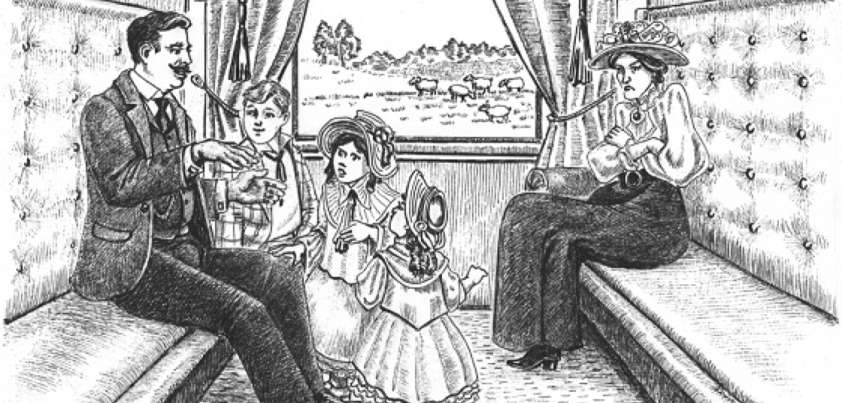 This story by Saki satirizes the way many traditional children’s stories had become so “sanitized” during the prudish Victorian period that they lost much of their original appeal. A major theme of the story is pride. The outer or “frame” story highlights the Aunt’s false pride in thinking that a bachelor couldn’t possibly tell a better children’s story than she could. The inner story illustrates the meaning of the English idiom Pride comes before a fall. Other themes include childhood, curiosity, control, “goodness” vs. reality (not all good people/things in life end happily!) More…
Lajwanti
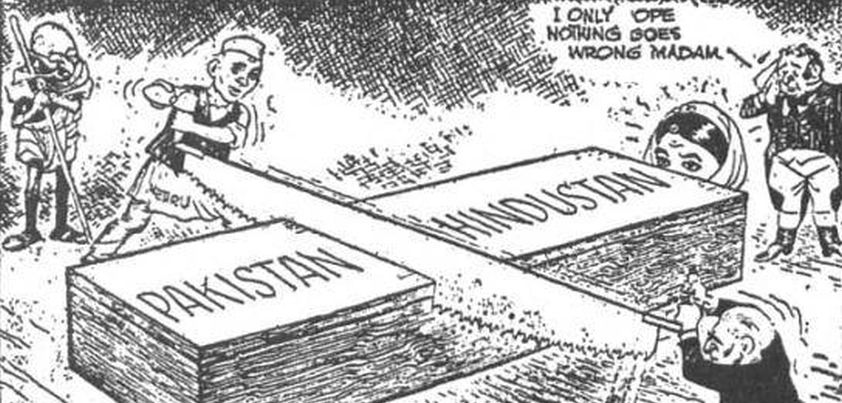 Thanks to a 2006 tele-film, this has become Urdu writer Rajinder Singh Bedi’s signature story. Set in the violent upheaval of British India’s 1947 partition, it follows Sunderlal, a Hindu activist whose wife, Lajwanti, is abducted into Pakistan. The ironic descriptions of domestic life (Lajwanti considered vicious beatings from Sunderlal “normal”, and appears confused by the kind treatment of her Muslim captor) highlight traditional Indian attitudes towards women at the time. A second irony is that although Sunderlal campaigns for the rehabilitation of abducted women, he refuses to discuss Lajwanti’s experiences with her, preventing both from finding closure. More…