 Wunderkind (wonder child) is a German expression for child prodigy. The major theme of this story from Carson McCullers is a problem encountered all over the world: the tendency to place so much pressure to succeed on the shoulders of gifted children that they become discouraged and begin to under-perform. Questions are also raised as to whether the protagonist (fifteen-year-old Frances) has the passion to become a great pianist and, if so, whether her teacher (a well-meaning family friend) is the best one to work with her. Other themes: alienation/loneliness, competitive pressure, fear of failure, sexual confusion, escape. More…
What Shall We Do When We All Go Out?
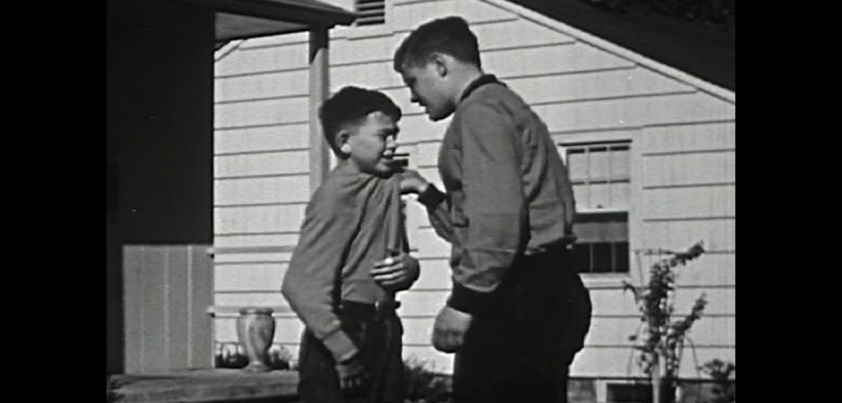 In this story by Gregorio Gregorio C. Brillantes, a nine-year-old Philippine boy’s childhood innocence is shattered over the course of a school term. His public servant father has been relocated to a large provincial town. The boy likes this town more than the smaller ones they had lived in, and is very happy in his new school. Two events destroy his comfortable outlook on the world: the death of a classmate followed by a school field-trip to view his body, and his forced initiation under threat of violence into a gang of older students. Themes include innocence, death, violence, intimidation, fear. More…
Love Must Not Be Forgotten
 This story from Zhang Jie challenges the traditional (1970s) Chinese view that a woman’s duty is to marry and raise a family. The protagonist has concerns about her relationship with a seemingly “ideal” man, questioning both their feelings for one another and the poor guy’s intelligence. After reflecting on memories of growing up and insights gained from her deceased mother’s diary, she reaches the progressive conclusion that remaining single and waiting for the right man is better than a loveless marriage. Themes: social pressure, marriage, the nature of love, mother-daughter relationships, courage, Communist ideology. More…
The Canterville Ghost
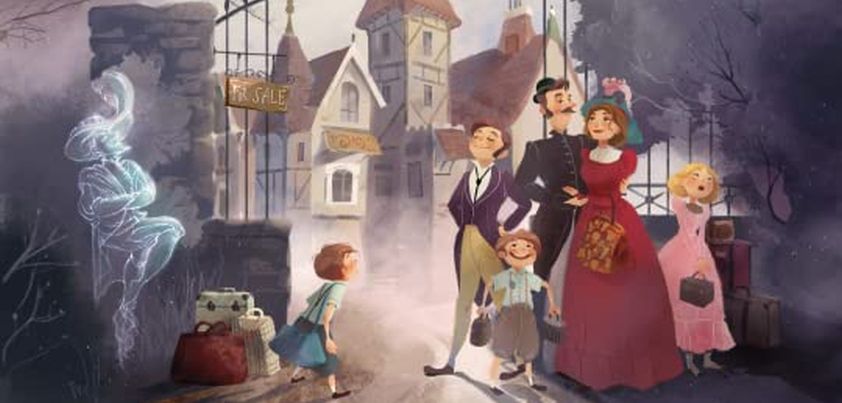 Oscar Wilde is known for his comedic, usually satirical stories that focus on the shallowness and hypocrisy of the Victorian upper class. He goes several steps further in this playful ghost story, also mocking the brash practicality of wealthy Americans and some of the common devices used in horror and romantic literature. A fascinating aspect of the plot is the way Wilde builds sympathy for his spectral protagonist before revealing the petty reason the cruel man murdered his unfortunate wife. Themes: (general) British vs American culture, tradition, compassion; (the ghost) duty, artistry, suffering, atonement, redemption, peace. More…
Doc’s Story
 In this story by John Edgar Wideman, a young man recovering from a break-up with his girlfriend is inspired by a story about “Doc”, a former academic and college basketballer who lost his eyesight. Doc could still shoot baskets from the foul line, and once held his own in a full game. This causes him to wonder whether, if he had told Doc’s story to his former girlfriend (If a blind man could play basketball surely we . . .), he could have saved their relationship. Themes include relationships, storytelling, race, depression, overcoming challenges, inspiration, hope. More…