 In this coming of age story by Todd Strasser, a young teen learns the importance of being himself. As the boy (Seth) and the “cool” friend he looks up to (Adam) stand smoking on a highway bridge, Adam brags about his toughness and experience with older girls. When Adam throws his cigarette onto the windshield of a passing car, the three occupants confront the boys. Adam points to Seth as the culprit, and stands by as Seth is brutally beaten. Seth finally sees Adam for what he is: a boastful fake. Themes include friendship, social acceptance, bravado, betrayal, violence, enlightenment. More…
Black Tickets
 This heavily poetic steam of conscience narrative by Jayne Anne Phillips is not an easy read. Bouncing backwards and forwards in time, a former rapist and now imprisoned drug dealer recalls his obsessive love for and unpredictable, often violent relationship with, his unconventional “boyish” girlfriend. The drugs were pedaled in the seedy movie theatre in which she worked, and it unclear whether she, their “brotherly” hunch-backed supplier, or even the old theatre owner she was “in good with”, set him up. Themes include love, alienation, jealousy, violence, drug dealing and abuse, betrayal. More…
The Assignment
 This story by Saadat Hasan Manto takes place during the rioting that followed India’s Partition. Set in an “Indian” border town from which most Muslims have fled, an elderly judge underestimates the carnage to come and insists on staying. After a stroke, he becomes bed-ridden and is unable to flee. Every night, his seventeen-year-old daughter watches Muslim houses burning in the city around them. When a Sikh man repays a kindness the judge had once done for his father, we learn the reason their house has (so far) been spared. Themes include religious conflict, denial, fear, innocence, duty, betrayal. More…
Bigfoot Stole My Wife / I Am Bigfoot
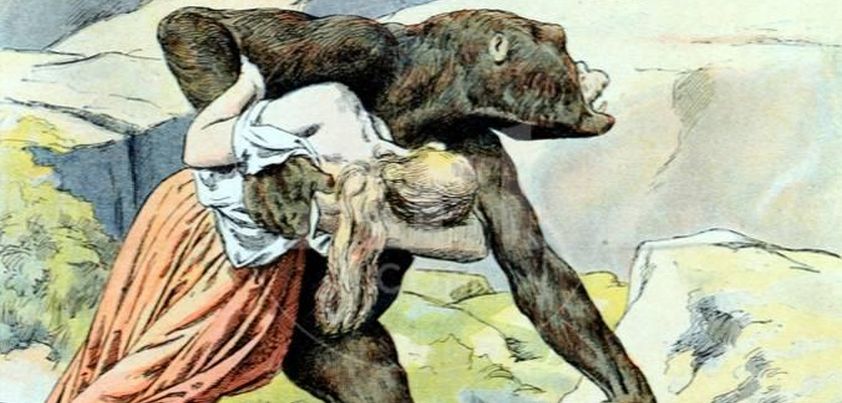 Today we have two linked stories from Ron Carlson: Bigfoot Stole My Wife and I am Bigfoot. In the first, despite a host of context clues suggesting that the protagonist’s wife has left him, shame and denial lead him to believe that the legendary Bigfoot has abducted her. Using flawed logic, he argues that this must be true because another seemingly impossible event in his life was also true. The story opens with the line: “The problem is credibility.” In the ironic second story, credibility comes as Bigfoot issues a fearful warning to all men of the world. More…
Separating
 Marriage break-ups, especially where children are involved, can be stressful for all concerned. John Updike’s Separating is written from a self-absorbed husband/father’s point of view. Ironically, despite Richard’s inferred infidelity, Updike reverses traditional gender roles by painting him as the weepy, emotional victim and his wife Joan as the heartless, unforgiving partner pushing for separation. The children demonstrate varying levels of understanding and acceptance. Older son Dickie’s “romantic” kiss highlights the confusion among them, and Richard’s shallowness finally shows through in his inability to answer Dickie’s obvious question. Themes: family, marriage, separation, anguish, guilt, confusion, regret. More…