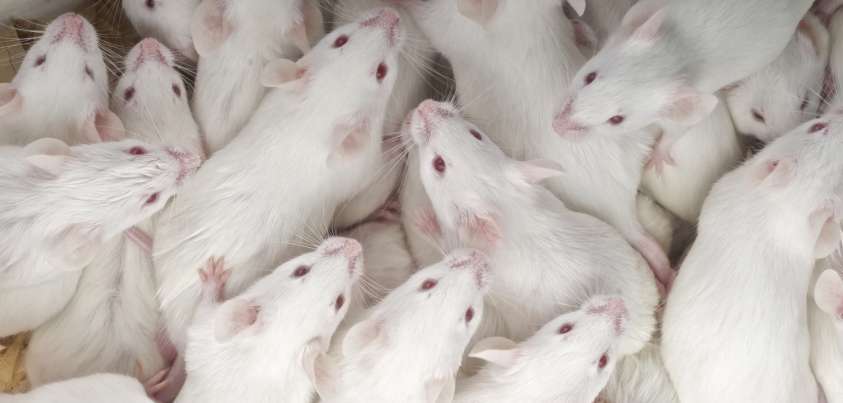
 In 2018, the New York Times dubbed Gerald Murnane “the greatest living English-language writer most people have never heard of.” Now 83, Murnane has remained largely unknown due to his distinctive stream of consciousness writing style. Stories contain frequent changes of perspective from character to character, and between past and present. In When the Mice Failed to Arrive, a storm breaking as a father waits for his son to come home from school triggers memories of the man’s earlier life. Themes include father-son relationships, childhood anxiety, religious parody, awakening sexuality, insecurity, deceit, and what some may consider animal cruelty. More…
Barcelona
 This story by Alice Adams deals with themes of fear, preparedness, pride, gender expectations and poverty. As a wealthy-looking American couple walk through the darkened streets of Barcelona, a thief grabs the woman’s purse and flees. The husband gives chase and recovers it, but appears strangely disappointed when his wife tells him that she always carries her money in her pocket and the bag contains nothing of value. The wife reflects on how men are always “chasing something” to prove their self-worth, and feels sorry for the plight of the poor who must steal to do so. More…
Snapshots of a Wedding
 Set in the mid-1990s, this story by Bessie Head explores two aspects of a Botswanan wedding. The first is the rituals observed at the event and how, as a “modern wedding”, a lot of the traditional courtesies had been left out of the planning. The second is the circumstances leading up to the wedding, with the author seemingly inviting readers to judge whether the groom, who is rich in cattle and loved and respected by all who knew him, made the right choice for a bride. Themes: tradition vs. modernity, marriage, education, hubris vs. humility, money and status vs. love. More…
Karma
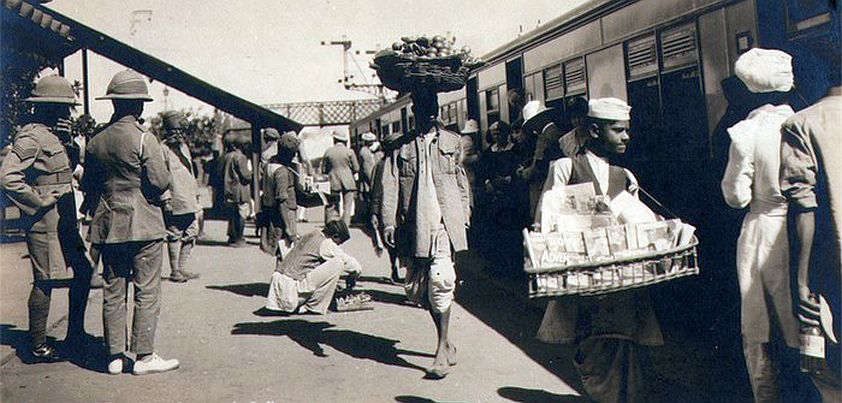 Sir Mohan Lal, the pretentious high-ranking Indian official in this story by Khushwant Singh, is caught between two cultures. After rejecting his heritage and aspiring to identify with the British ruling class, he cannot escape his “Indian-ness”. His self-important behaviour is contrasted with that of his wife, who he treats with disdain but passively accepts her lot. Ironically, his humiliating treatment on a train (being unceremoniously thrown out of his first class carriage by two drunken British soldiers) highlights the dark side of the world he aspires to. Themes include identity, cultural alienation, social class, colonialism, narcissism, prejudice, humiliation. More…
Guests of the Nation
 This story by Frank O’Connor takes place during, or possibly shortly after, the Irish War of Independence of 1919-1921. Two young Irishmen become friends with two English ‘prisoners’ they are guarding. That is until a cold-hearted officer orders them to take part in the execution of the two men. As one notes at the end of the story: And anything that happened to me afterwards, I never felt the same about again. Themes: friendship, religion vs. atheism, choices and consequences, aspects of war (duty vs. morality, brutality, the humanity of enemy combatants, possible long-term psychological effects). More…