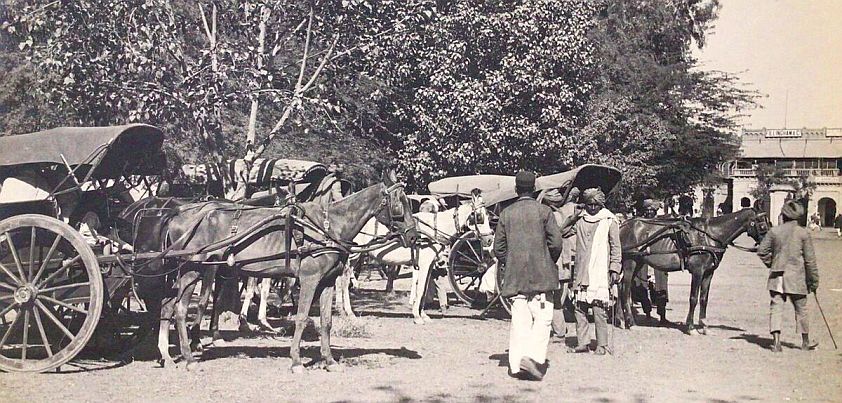
 A message of this story by Saadat Hasan Manto is to make sure you fully understand something you overhear before acting on it. An illiterate tongawala [coachman] learns about the world by eavesdropping on customers. Over several days, he overhears talk of a new “India Act”, which he misinterprets to be a new constitution that will free India from British rule. Having developed a hatred of the British for subjugating and exploiting his country, he is excited by the “news”. Unfortunately, acting on it lands him in jail. Themes include colonialism vs. freedom and self-determination, excitement, hope, disillusionment. More…
Don’t Look Now
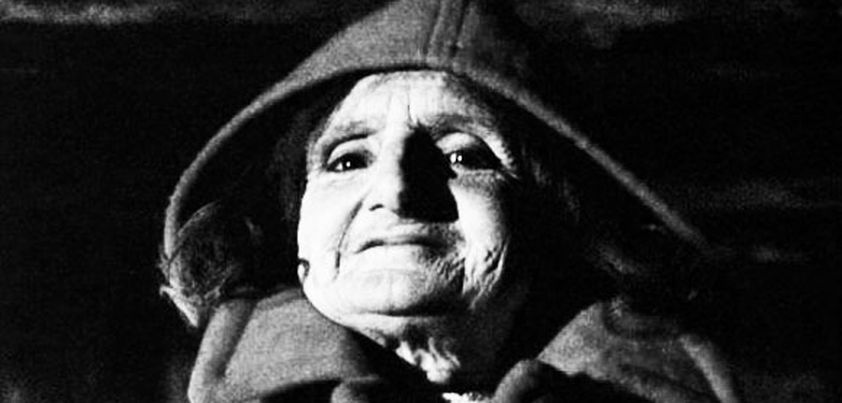 This Daphne du Maurier story opens with a British couple dining in Venice. The holiday, through which they hope to rebuild their relationship following the death of their young daughter, takes an eerie turn when a fellow diner claims to be able to “see” the spirit of the dead girl sitting between them, and issues a grim warning that they should leave Venice immediately. When a family emergency calls them back home later that day, they take this as the meaning of the warning. The wife leaves the next morning; the husband never does. Themes: grief, the supernatural, scepticism, suspicion/paranoia. More…
Three Thanksgivings
 In this story by Charlotte Gilman, a widow faces pressure from three sides. Her married children want her to come and live with them, and the man who holds a mortgage over her large family home wants to marry her. She doesn’t want to move or remarry, doesn’t have the means to repay the mortgage, and has three Thanksgivings to make a decision or find the money. In helping five hundred other women, she builds a new life and solves the problem. Themes include gender expectations, financial independence, self-sufficiency, entrepreneurship, community.
More…
Residents and Transients
 The protagonist in this Bobbie Ann Mason story is at a crossroads. Having returned to temporarily live on her parent’s Kentucky farm after they moved to Florida, she hates the idea of going back to suburban living. Her salesman husband has a new post and is away looking at houses in a nearby city, and in his absence she has been having an affair with a local man. She is caught between two places and two men. Her cats may prove the deciding factor. Themes: change (past vs. present), city vs. country living, rootedness vs mobilty, uncertainty, choices and consequences. More…
Solitude
 This story by Miguel De Unamuno should not be confused with his soliloquy of the same name by a man who chooses solitude. Predicting what her baby daughter’s future will hold, the dying wish of a woman married to a selfish, uncaring man is that she be named Solitude. After a failed love affair and the death of her father, the girl lives up to her name. When questioned years later, she has some interesting observations on men (Poor little fellows!) and erotica. Themes include isolation and loneliness, bullying, unrequited love, contentment in solitude. More…