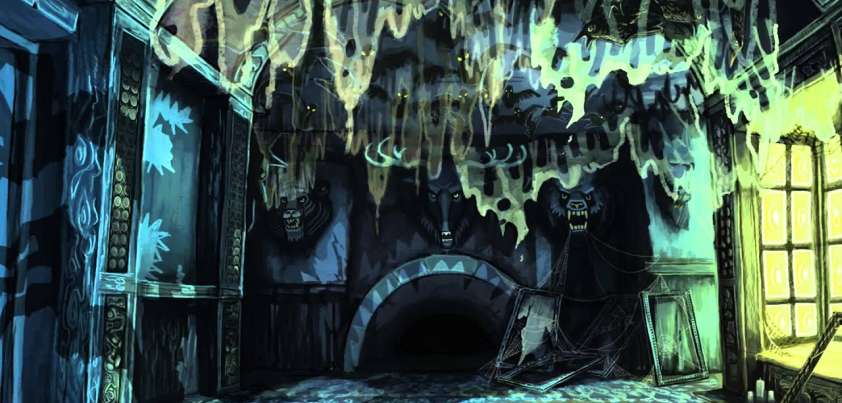
 This short campfire-style horror story by Neil Gaiman sucks you in (no disrespect to Click-Clacks intended) and then at the very end surprises. A young man is spending time with his girlfriend’s much younger brother. The boy asks for a bed-time story that is “a little bit” scary. In describing what he means by this the boy tells the man about Click-Clacks, “the best monsters ever”, that come from the dark when you don’t pay attention. We are left wondering how the narrator is still around to tell the tale. Themes include fear, awareness, manipulation, the power of storytelling. More…
The Whimper of Whipped Dogs
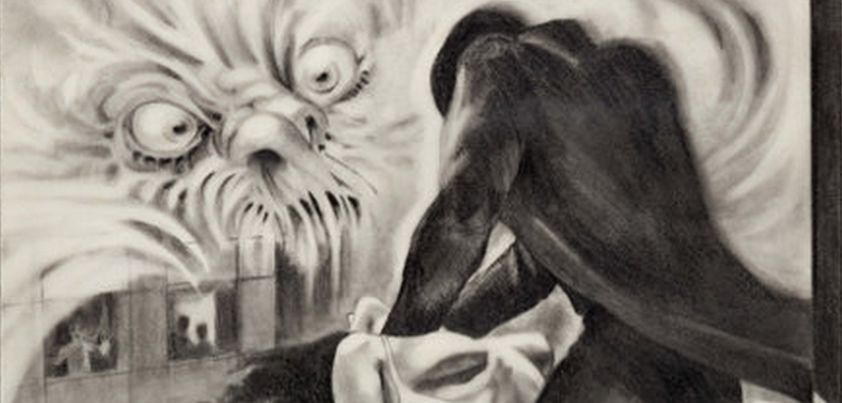 This horror story from Harlan Ellison uses magical realism to explain a crime: the 1964 murder of Kitty Genovese. Newspapers at the time (incorrectly) reported that 38 people, none of whom did anything to help, witnessed her stabbing. Here, a witness to a particularly brutal murder senses an evil presence. She later learns that it was a form of black mass, and joins the demonic cult as a means of survival. Themes include negative aspects of city life (competitive pressure, lack of connection, loneliness), behavioral effects of city life (depression, insensitivity, anger, rudeness, aggression, violence), supernatural (demonic) forces, and cultism. More…
Mrs. Bathurst
 A major theme of this enigmatic story by Rudyard Kipling is the potential destructive power of love. Interestingly, we never meet the two central characters: Mrs. Bathurst, a New Zealand hotel keeper renowned for her kindness to needy sailors, and “Click” Vickery, a naval warrant officer who once had a serious affair with her. Vickery becomes so obsessed with a cinematograph clip in a traveling circus showing Mrs. Bathurst in London that he deserts his ship and follows the circus to the next town. Other themes include alienation, chance and accident, ambiguity, passion, death and guilt. More…
Rules of the Game
 The title of this story by Amy Tan refers to both the game of chess and the game of life. A Chinese-American mother’s term for one important rule is the art of invisible strength (self-control). The story deals with a number of themes: poverty, respect (for parents, others and one’s cultural heritage), pride vs. humility, passion and dedication, and mother/daughter relationships. At the end of the story, both fail in exercising the art of invisible strength. The mother’s understandable pride leads to bragging; the daughter’s response is rudeness and running away. Whose wind (willpower) will blow the strongest? More…
My Oedipus Complex
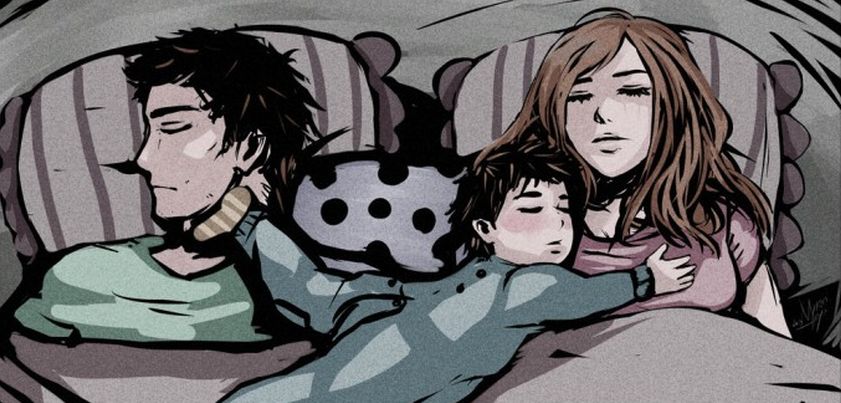 The term Oedipus Complex has its roots in psychology and Greek Mythology. In this coming of age story by Frank O’Connor, a five-year-old boy’s ordered life and close attachment to his mother are disrupted, firstly by his father’s return from World War 1, and later by the birth of a baby brother. During the war, the boy’s father is a mysterious, occasional visitor to be prayed for. On his return, his father becomes a fierce rival for his mother’s attentions and later, a fellow victim of the newborn’s demands. Themes include childhood innocence and imagination, mother/father-son relationships, jealousy, anger, understanding. More…