
Other People
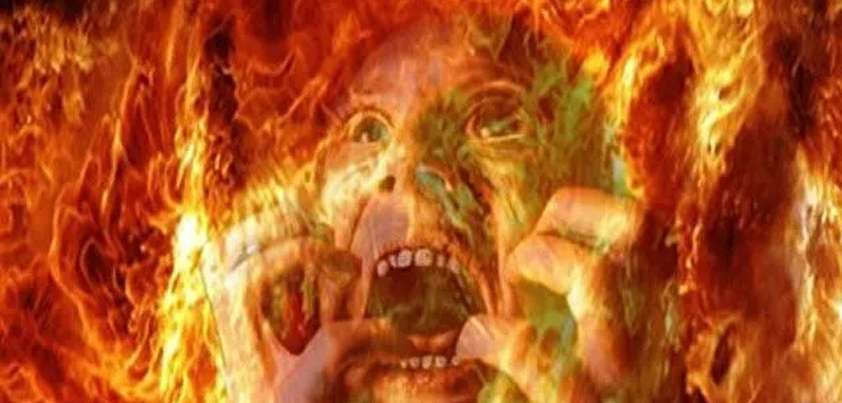 This Neil Gaiman is not for the fainthearted. Upon entering a room in Hell, a man meets the “demon” that will be his tormentor. After suffering excruciating pain from each of the 211 torture instruments lining the walls, he asks the demon what comes next. The answer: the true pain begins! And so it does for several thousand more years. In the last sentence, we learn why Gaiman agreed to change the title from his original choice (Afterlife) to Other People. Themes include sin and punishment, and the nature of Hell (suffering and inflicting dehumanizing pain and suffering).
 This coming-of-age story by
 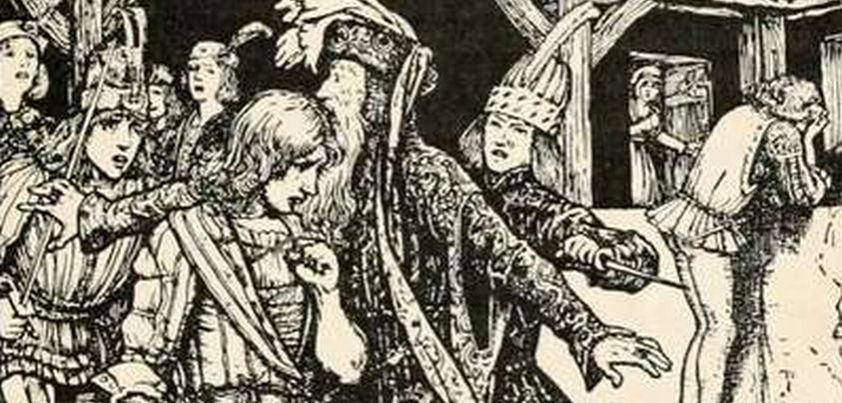 This Portuguese folktale begins with a king learning about an argument between his son and a young nobleman on a tennis court. The prince spoke rudely to the noble, who lost his temper and hit him. Although the king is angrier with his son for not fighting back than the noble, hitting the prince is punishable by death. The only way the noble can save himself is to marry a very ugly, very old woman. As is often the case in folktales, there is a lot of magic around and some surprises are on the way for all involved.
 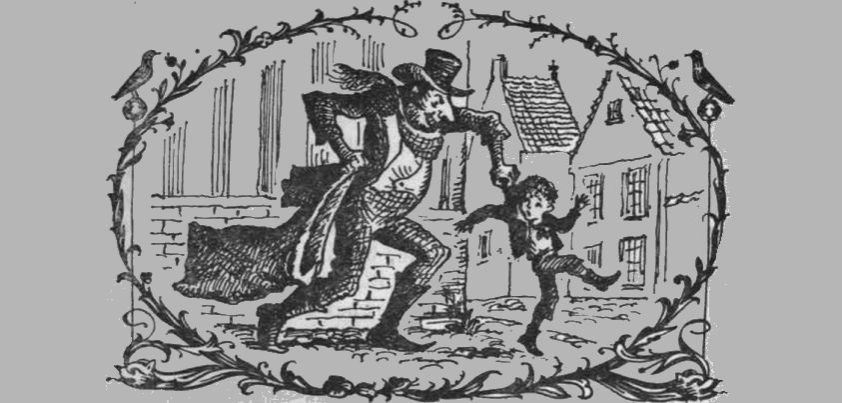 Mr. Miacca is an English folktale of the ‘bogeyman’ type, where adults tell stories of imaginary beings to frighten young children into being good. In the story, a boy does something wrong and finds himself about to be cooked for Mr. Miacca’s dinner. He gets away by tricking Mrs. Miacca. The forgetful boy makes the same mistake, and again finds himself on Mr. Miacca’s dinner menu. This time Mr. Miacca watches over the boy himself, and decides to cut off the lad’s leg (which he throws in the cooking pot) to make sure he doesn’t run away.
  The “jungle” in this story by
 Two frequent themes in
  Set in the mid-1990s, this story by