
Slaughter House
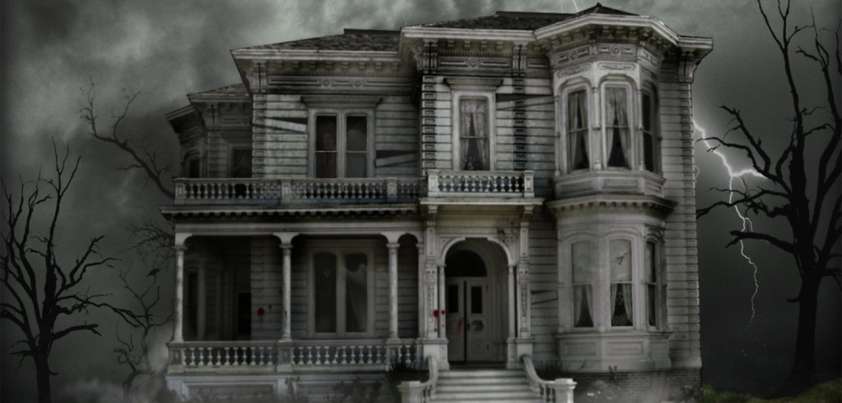 Richard Matheson fans may find Slaughter House hard going as he drops his normal crisp, easy to read writing style to experiment with the formality of mid-Victorian writing. The result: some very obscure vocabulary and long, pompously formal sentences that sometimes appear disjointed and confusing. The story itself is captivating. Two brothers, whose described relationship suggests a little more than brotherly love, fall for the lustful ghost of a young woman that enchants, has its way with, and then tries to kill them. Only one of the three survives! Themes include insanity, homoeroticism, seduction, jealousy, the supernatural!
 Have you ever asked someone if you could borrow something, and then watched them go to so much trouble looking for it that you wish you hadn’t asked? If so, you will understand the building frustration of the man in this
  In this coming of age story by
  In this story by
  In this story by
  In this story by
  Mammon is a biblical term for great wealth. In this story by
  This extract from