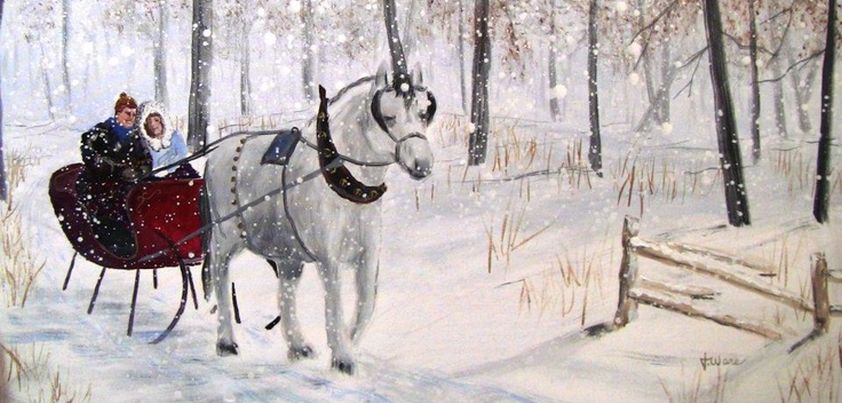
 In this story by Bjørnstjerne Bjørnson, a timid Norwegian teenager becomes infatuated with an older villager whose voice moves her to tears at a choral performance. In his absence overseas, she is wooed by and finally marries a handsome sea captain. Within five years, she has two children and lives in fear of her dominating, hard drinking husband’s homecomings. She is enlivened when her teenage idol returns and is a regular visitor. They become close, but her hopes are crushed when, on a special outing together, he reveals his true self. Themes include unrequited love, obsession, loveless marriage, alcoholism, heartache. More…
Diary of a Madman
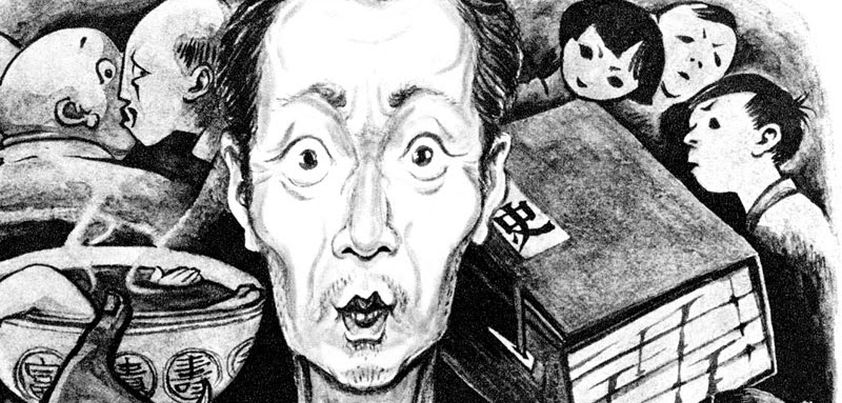 Lu Xun‘s diarist suffers from paranoia, stemming from strange looks he thinks he is getting from fellow villagers. On learning of an act of ritual cannibalism in a neighboring village, he concludes that those around him, including his own brother, are planning to make a meal of him. The story has several interpretations. The most common is that it satirizes the outdated Confucian traditions of Chinese feudal society. An opposing view is that it cautions the May Fourth period’s New Culture Movement against indiscriminately overturning (eating) all past traditions. Themes: madness, cannibalism, tradition, betrayal. More…
The Shawl / Rosa
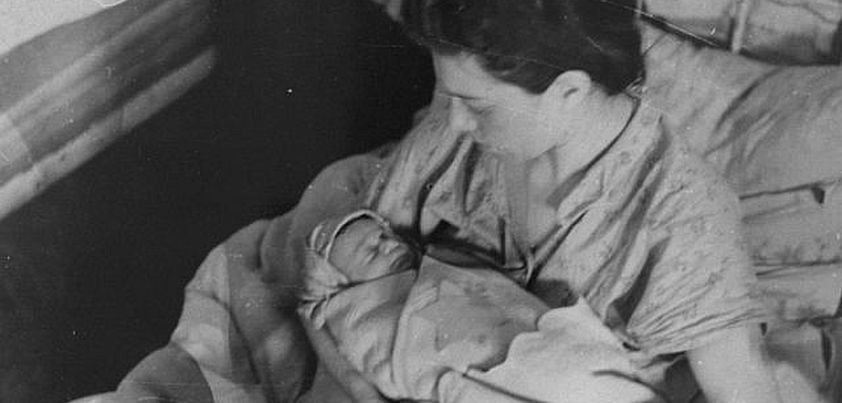 Today we are featuring two award-winning stories from Cynthia Ozick. The first, The Shawl, is set in Second World War Poland and deals with the horrors of the holocaust as experienced a young mother (Rosa), her infant child (Magda), and fourteen-year-old-niece (Stella). The second story, Rosa, is a sequel to the first. Set in the USA over thirty years later, it demonstrates the devastating long-term effects of the women’s war-time experiences. More…
The Darling
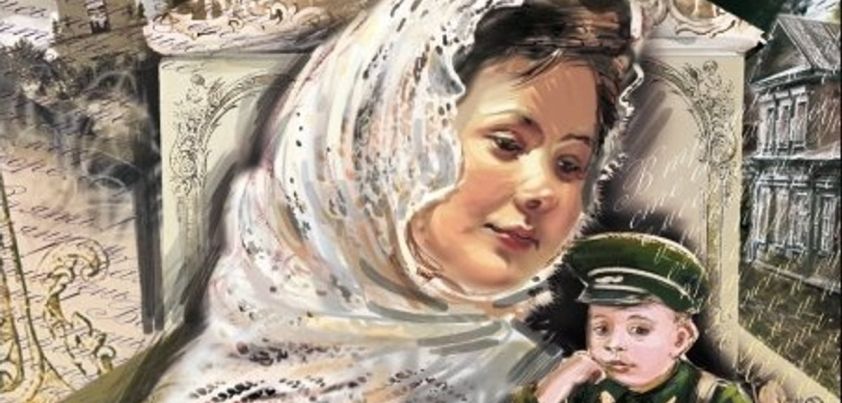 In psychological terms, Anton Chekhov’s ‘darling’ (Olga) suffers from Codependency Personality Disorder. More specifically, she is a vicarious codependent – someone who suspends their identity and gains fulfillment through the accomplishments of another. Olga’s ‘attachments’ in life include her father, a theatre manager, a timber merchant, a veterinary surgeon, and a young boy. Her relationship with the boy differs from the others. Being forced to assume a ‘motherly’ role rekindles Olga’s female identity. Sadly, motherhood and codependency don’t sit well together. In rediscovering her own identity, Olga begins to smother that of the boy. Themes: codependency, subservience, death, abandonment, identity, motherhood. More…
Chickamauga
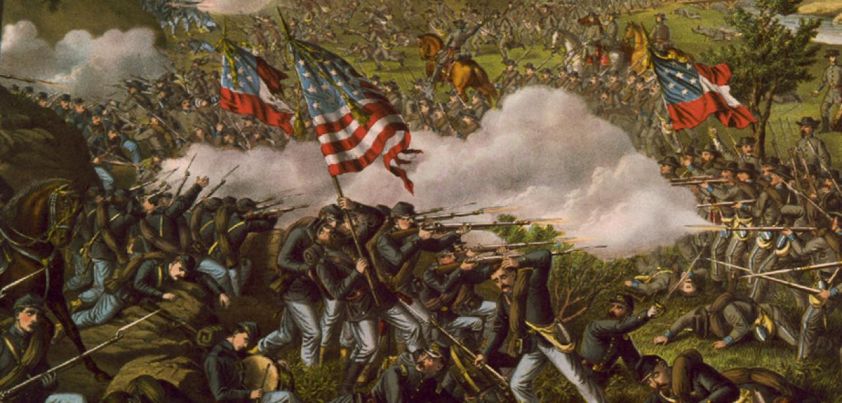 This American Civil War story by Ambrose Bierce develops an increasingly ominous tone after a six-year-old boy becomes lost in the woods while playing soldier. He mysteriously sleeps through a bloody battle, wakes to find himself confronted by hundreds of badly wounded and dying soldiers, and silently “leads” them towards a red glow, which turns out to be his burning home. As he stands making “animal noises” over the gory remains of his dead mother, we learn the reason for some of his unusual behavior. Themes: the fantasy (glory) vs. reality (horror) of war, perception (childhood innocence vs. adult awareness). More…