 In this story by M. R. James, a British antiquary comes across an old book written in Latin that tells of a German monastery in which a fortune in gold is believed to have been hidden. He believes the key to the treasure lies on a stained-glass window removed from the Abby and returned to England when the monastery was closed. He finds the window, decodes the message hidden on it and, despite the warning contained in the message, finds the gold. His only problem… dealing with the treasure’s monstrous guardian. Themes include treasure hunting, cryptography, fear, the supernatural. More…
The Erlking
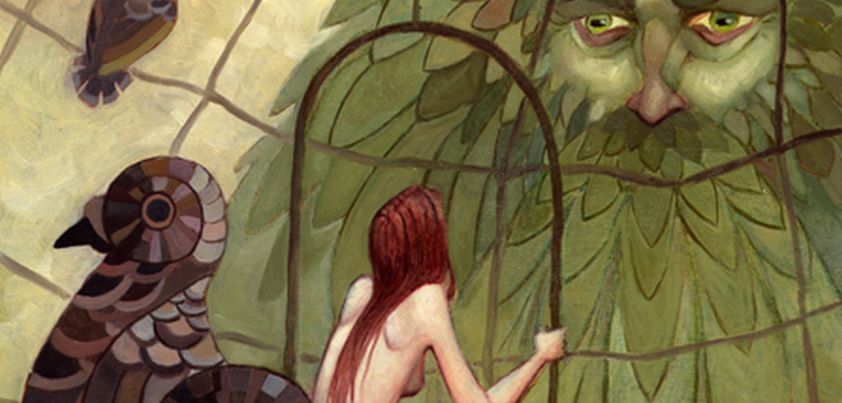 This “fairy-tale” by Angela Carter is derived from a European myth. A magical being living in harmony with nature seduces young women traveling through his forest domain. The women are powerless to resist. When he tires of one, he transforms her into a bird, cages her, and adds the cage to a collection of similar cages adorning the walls of his house. The protagonist, sensing her fate, decides that the only way to free herself and his “bird” collection is to do away with him. Themes include connectedness to nature, the supernatural, power and objectification, sexuality, entrapment, liberation. More…
María Concepción
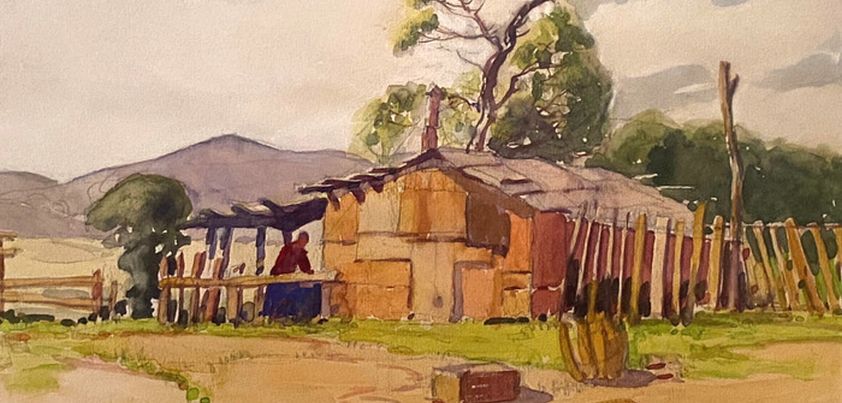 This story by Katherine Anne Porter exemplifies the proverb Hell hath no fury like a woman scorned. María Concepción, a pious Mexican peasant, is shattered when her husband has an affair with a fifteen-year-old neighbour and runs away with her to war. When the two return, the girl heavily pregnant, he expects their marriage to continue as if nothing had happened. Maria makes sure of this by brutally murdering the girl. During the police investigation the community covers up her involvement, perhaps sensing that true justice has been served. Themes include patriarchy, betrayal, revenge, moral vs. legal justice, feminism. More…
The Golden Kite, the Silver Wind
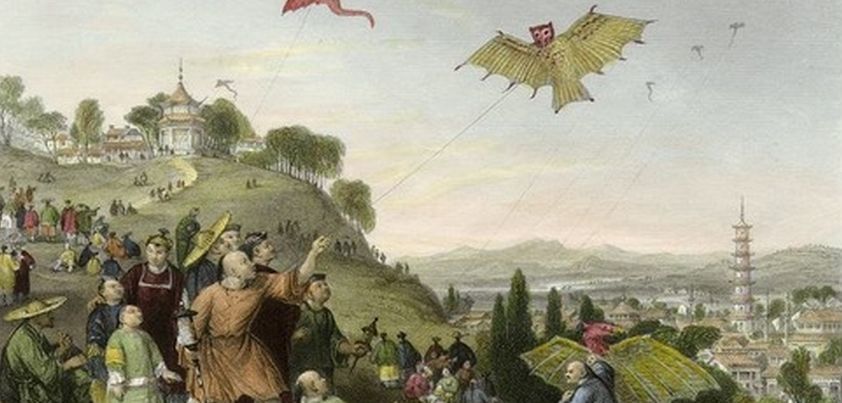 This Ray Bradbury story is thought to be an allegory of the nuclear arms race that took place during the “Cold War” between the United States and Russia. The “Mandarins” who began the Cold War were Harry S. Truman and Joseph Stalin. One wonders if the first Mandarin’s daughter alludes to Truman’s wife Bess, who he claims to have consulted before every important decision. Moreover, Bess is known to have made changes to his famous speech outlining the Truman Doctrine, which started it all. Themes include rivalry, paranoia, wisdom, the futility of confrontation and escalation vs. the benefits of cooperation. More…
The Jilting of Granny Weatherall
 This story from Katherine Porter describes the disoriented thoughts and recollections of a feisty eighty-year-old (Granny Weatherall) as she lies dying in the house of one of her daughters. Satisfied with her life, she awaits a sign from God to say that her time has come. In her last moments, she likens the absence of such a sign to being left standing at the altar sixty earlier. Major themes are perseverance, motherhood and faith. Other themes: aging and death, loss (over the death of husband John and daughter Hapsy), betrayal and repressed anger (over being jilted by George). More…