 When Lydia Davis wrote this flash story, she may have been reminded of a quote attributed to Albert Einstein: Never memorize what you can look up. Some people have a knack for remembering almost every detail of past events; others have a talent for putting names to faces or remembering facts and figures. However, most of us forget more than we remember. A word that often comes up in describing Davis’s writing is “playful”. Here she takes a playful look at memory (or rather lack of it!), and then moves on to memories and their relationship to original thought. More…
Vanka
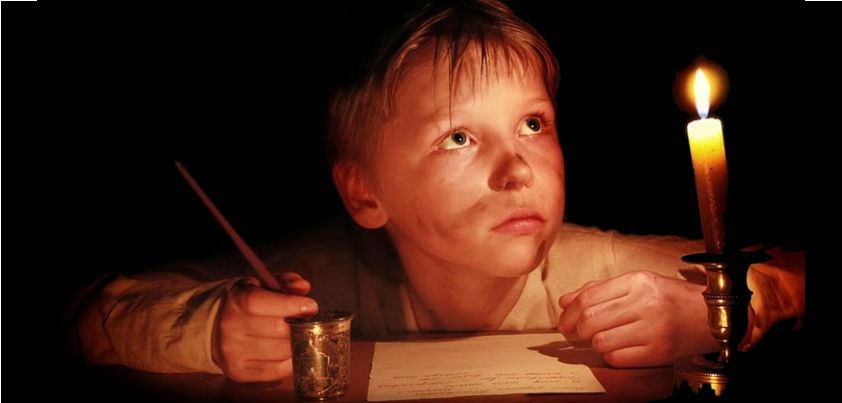 This poignant Christmas story by Anton Chekhov relates how a young boy recently apprenticed to a shoemaker writes a letter to his grandfather pleading to be taken home. He complains of continually being beaten and mistreated, and has no one to turn to for comfort. The city and its ways are foreign to him, and he misses the Christmas preparations and season’s joy in his home village. Sadly, his incompletely addressed letter will never reach its destination. Themes include social class, child-family separation, child abuse, innocence, loneliness, misery, desperation and hope. More…
The Minister’s Black Veil
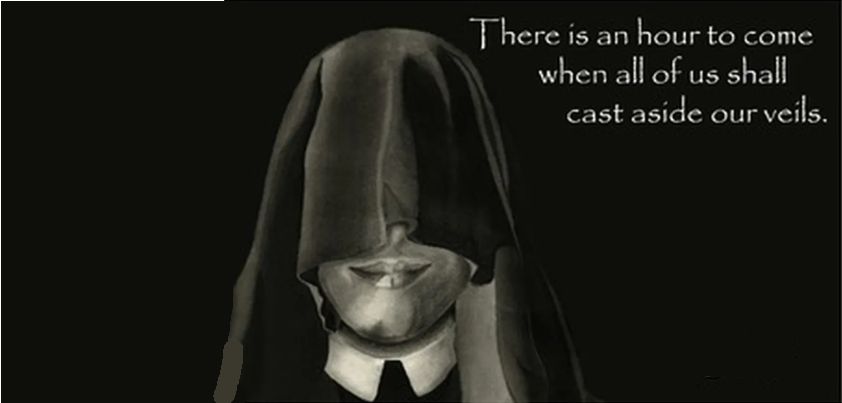 In this Nathaniel Hawthorne story, a church minister frightens and intrigues parishioners by spending most of his life hiding his face behind a black veil. themes include uncertainty (Why the veil?), alienation and loneliness, hidden sins (for which the veil may be a symbol), moral superiority, guilt, fear, and death. Most readers consider the story from the parishioner’s side. However, it is interesting to contemplate how dark the world must look to the minister. Is the veil the equivalent of the dream by a character in another Hawthorne story (Young Goodman Brown): a reminder of the evil in every man? More…
The Dead
 The major themes in this James Joyce masterpiece are failure to change (paralysis) and, of course, death and “the dead”. Other themes include Irish Nationalism, cultural identity, tradition, privilege, pride, and self-discovery. Gabriel, a condescending Irish intellectual, has rejected his country’s entrenched “backward” culture and embraced cosmopolitan British ways. His wife’s reaction to a little-known Irish folk-song sung by her long-dead first love brings about an epiphany. Gabriel suddenly realizes the need to take more positive steps in his own life, and how the lives of the dead can have a major influence on the living. More…
Two Words
 In this story by Isabel Allende a young woman has become famous, traveling an unnamed South American country by foot delivering news, storytelling, writing letters for people, and selling “secret” words that have magical powers. One day, a feared bandit/rebel leader forces her to write a motivating political speech to help him become president. On departing, she whispers two words in his ear. The speech is such a success he becomes the favorite to win the election. However, obsessed by the meaning of her two words, he withdraws into himself. Themes include hardship, courage and determination, loneliness, the power of words. More…