Tobermory

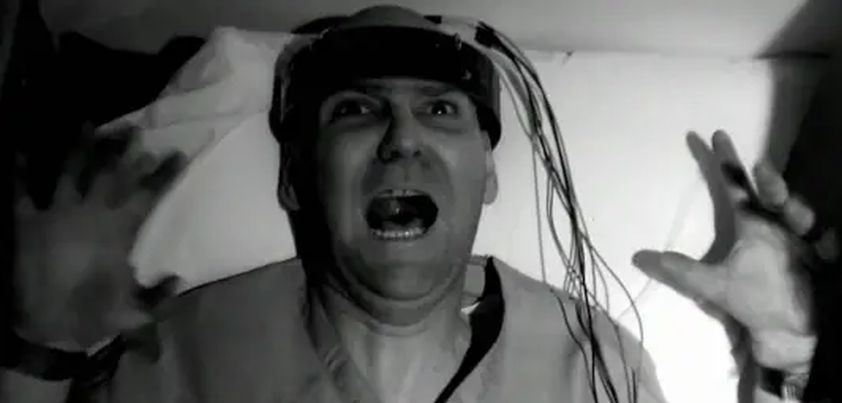
Tobermory: Short story by H. H. Munro (aka Saki)This story by Saki is a satire of early twentieth century British high society. A group of socialites attend a weekend house-party. Among the guests is a visiting scientist who was invited in the hope that his cleverness would contribute to the general entertainment. All are amazed when he teaches Tobermory, the family housecat, to speak perfect English. However, their surprise soon turns to anger at some of the things Tobermory has to say. This seals Tobermory’s fate… he knows too much and must be silenced! Themes include wonder, superficiality and hypocrisy, embarrassment, anger, retribution

Continue ReadingTobermory

The Wives of the Dead

The Wives of the Dead: Short story by Nathaniel HawthorneThis early story from Nathaniel Hawthorne seems to have the same effect on most who read it. We think we know what happened to the two recently married and even more recently widowed young women, but are not 100% sure. Their husbands were brothers, and the four shared a small house. After mourners leave, the women retire to their bedrooms. At different times during the night, each wakes to a messenger with news that their husband has survived. Was either of the messages real? Themes include loss, grief and mourning, dreams vs. reality, and consideration for others.

Continue ReadingThe Wives of the Dead

A Shinagawa Monkey / Confessions of a Shinagawa Monkey

A Shinagawa Monkey / Confessions of a Shinagawa Monkey: Short stories by Haruki MurakamiLast year (2020) Haruki Murakami released Confessions of a Shinagawa Monkey, a sequel to his 2006 story, A Shinagawa Monkey. Both deal with a talking monkey who steals items showing the names of women to whom he is attracted. By concentrating on these, he absorbs aspects of the women’s identity. Although this satisfies the Monkey’s desires towards the women, it causes them to forget their names. The monkey is a symbol for all the lonely, often overlooked people in society whose circumstances make it difficult to find love. Other themes: envy; suicide; confronting and sharing concerns; reaching out for help.

Continue ReadingA Shinagawa Monkey / Confessions of a Shinagawa Monkey

Jeremiah’s Song

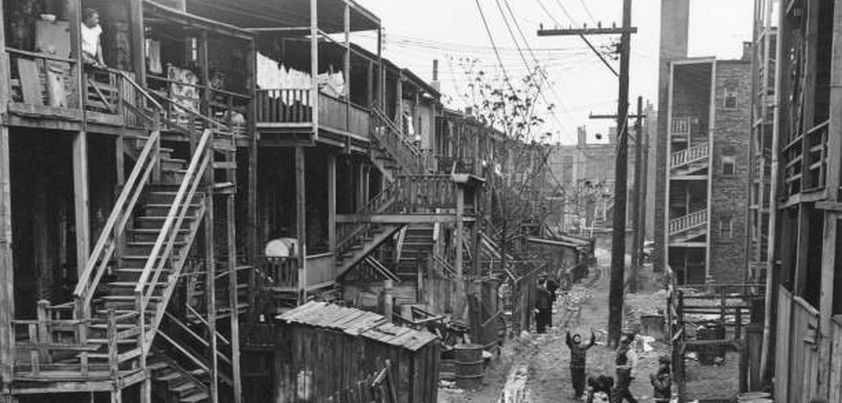
Jeremiah's Song: Short story by Walter Dean MyersA major theme of this story from W. D. Myers is the traditional role and modern demise of storytelling. The nine-year-old narrator and an older friend Macon are enthralled by his dying grandfather’s stories. The title refers to both the stories (which Grandpa Jeremiah refers to as the songs of my people) and the music composed by Macon while listening to them. There is an implication that through the power of music (especially the blues) some of these threatened stories/songs can live on. Themes: storytelling, change, family and community unity, death, music.

Continue ReadingJeremiah’s Song

A Great Day

A Great Day: Short story by Frank SargesonAn unusual aspect of this story from Frank Sargeson is that it is largely made up of superficial conversations between two ‘friends’ out in a boat for a morning fishing trip. Readers are given sufficient clues to piece together the men’s backgrounds and the major issues between them. However, they must make their own judgements about the grim climax. An important question in assessing Fred’s character is the timing of his plan. Was it a callous, premeditated decision made before the “Great Day”, or a spur of the moment, opportunistic idea? Themes: envy, jealousy, class, self-esteem, masculinity.

Continue ReadingA Great Day

Anxiety

Anxiety: Short story by Grace PaleyIn this story from Grace Paley’s activist period, an elderly woman worries about everything from the imminent destruction of the world to the well-being of two children being walked home from school. A father’s shortness with one of the children prompts the woman to call him out. She begins with the alarmist suggestion that people should enjoy life less and think more about the coming doom. She then elicits the cause of the man’s anger (wounded pride), which seems petty compared to the issues she has just raised. Themes: anxiety, global threats, fatherhood, child innocence, adult indifference.

Continue ReadingAnxiety

After the Ball / Dance

After the Ball / Dance: Short story by Leo TolstoyThe major themes of this story from Leo Tolstoy are the circumstances that determine “good” and “evil”, and the morality of blaming a child for the actions of his/her father. The protagonist is captivated by a beautiful woman. They attend an elegant ball, where he is impressed by the demeanor of her father, a senior military officer. His feelings change the next morning when he witnesses the father officiating at the brutal punishment of a deserting soldier. Other themes: romance, judging by appearances, point of view (cruelty vs. duty), class, moral indignation vs. naivety.

Continue ReadingAfter the Ball / Dance

The Centaur

The Centaur: Short story by José SaramagoA major theme of this story by José Saramago is fear of those who are fundamentally “different”. Other themes include duality, modernity, wilderness encroachment, loneliness, isolation and identity. A mythical Centaur survives into the 20th century. The only one of its kind still living, it has wandered the wilderness for thousands of years. Unfortunately, humanity is expanding and it has become increasingly difficult to avoid contact. A fascinating feature of the story is the interdependence between the centaur’s horse and human sides. Both have different needs, which often require compromise. There are some human needs, however, that can’t be met.

Continue ReadingThe Centaur

The Magic Shop

The Magic Shop: Short story by H. G. WellsThis delightful fantasy from H. G. Wells is about ‘magic’ and perception. A father and son enter a strange Magic Shop. As they begin to look around, the shopkeeper appears and entertains them with some ‘magic’. The innocent boy watches in awe, while his skeptical father looks for the sources of trickery. The pair moves further into the store and witness additional, seemingly impossible wonders. The father, realizing that what he sees may be real, becomes increasingly uncomfortable and begins to suspect the presence of unnatural forces. Themes: childhood innocence and wonder, father-son relationships, trickery vs. the supernatural.

Continue ReadingThe Magic Shop

The Prussian Officer

The Prussian Officer: Short story by D. H. LawrenceThe central themes of D. H. Lawrence’s The Prussian Officer are homoerotic attraction and abuse of power. An aristocratic officer becomes envious of and sexually attracted towards his orderly. Drawn by the twenty-two-year-old’s youthful innocence and vigor, the officer denies and tries to repress his feelings. Sensing what is happening, the orderly is cooler than usual towards him. The agitated officer responds cruelly, and the tension between them mounts until reaching a point where the orderly can take no more. Minor themes: (the officer) jealousy, denial, obsession, sadism; (the orderly) duty, loss of innocence, humiliation, isolation, loss of self-control.

Continue ReadingThe Prussian Officer