The Wreath
 In this moving story by Luigi Pirandello, a middle-aged doctor is disturbed to learn that his much younger wife, who still has feelings for a former lover who died before they married, has gone behind his back and secretly ordered a wreath for the anniversary of his death. At first angry and ready to “take her back to her father’s house,” he calms down and finally accompanies her to the cemetery. Touched by his gesture, she looks at him as she had never looked at him before. Themes include the beauty of nature, love, mourning, deceit, understanding and compassion.
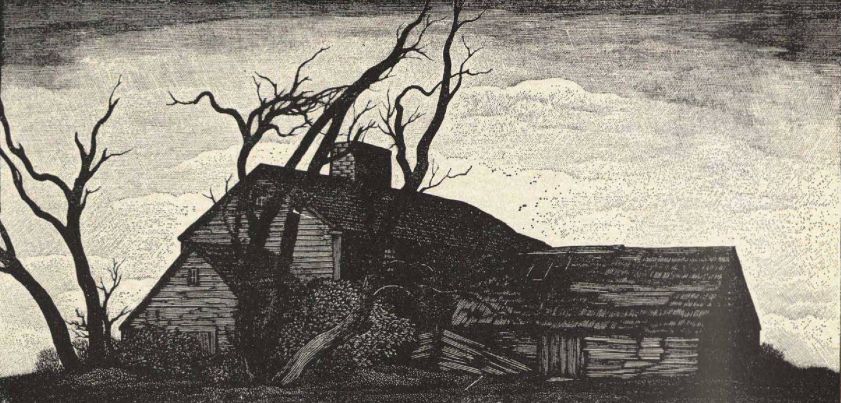 In this disturbing story from
  The themes of this distressing story from
 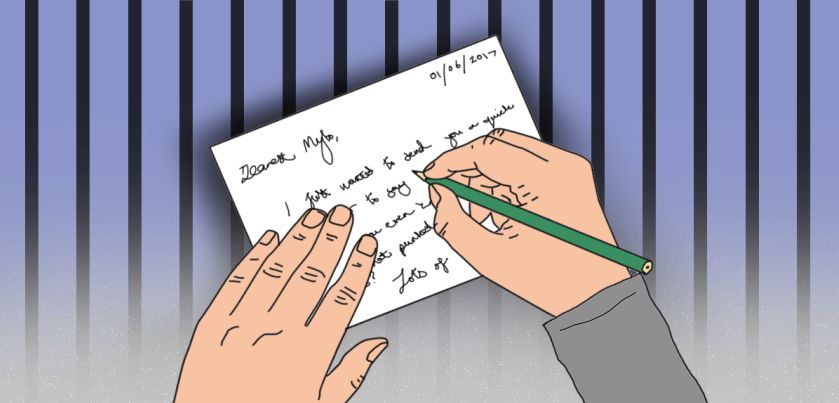 The “connection” in this story by
  This story from
 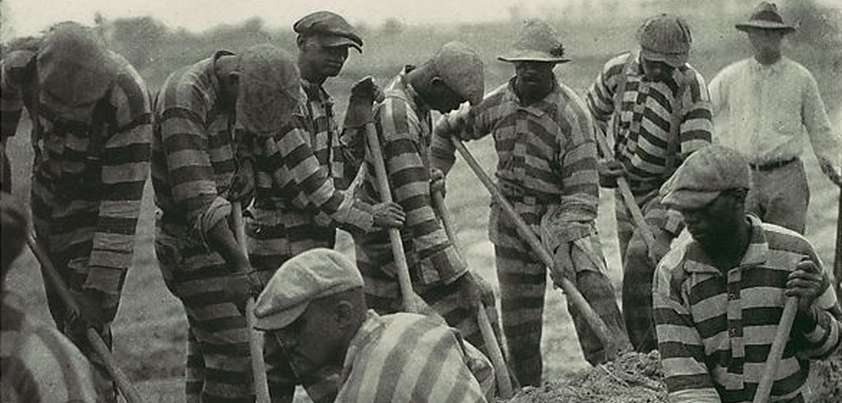 This story from
  People whose ancestors are not native to a country often underestimate the spiritual and cultural connection that indigenous inhabitants have to their traditional family lands. This melancholy story from
  This story by