Featured Stories

The Whimper of Whipped Dogs

The Whimper of Whipped Dogs: Short story by Harlan Ellison This horror story from Harlan Ellison uses magical realism to explain a crime: the 1964 murder of Kitty Genovese. Newspapers at the time (incorrectly) reported that 38 people, none of whom did anything to help, witnessed her stabbing. Here, a witness to a particularly brutal murder senses an evil presence. She later learns that it was a form of black mass, and joins the demonic cult as a means of survival. Themes include negative aspects of city life (competitive pressure, lack of connection, loneliness), behavioral effects of city life (depression, insensitivity, anger, rudeness, aggression, violence), supernatural (demonic) forces, and cultism.

Continue ReadingThe Whimper of Whipped Dogs

Real Food

Real Food: Short story by Chimamanda Ngozi AdichieIn this story by Chimamanda Ngozi Adichie, the term real food means food that is traditional to a culture. In Nigeria, the staple traditional dish is a type of flour known as garri. The girl in the story feels sick when she eats “swallow” (small lumps of cooked garri dough dipped in soup). She complains that it makes her throat itch, which indicates she may be allergic to it. Although the girl’s educated mother is understanding and accommodates her eating preferences, less informed relatives see this as a sign that she has abandoned her culture. Themes: family, culture, identity.

Continue ReadingReal Food

Pillar of Salt

Pillar of Salt: Short story by Shirley JacksonIn this story by Shirley Jackson, a New Hampshire couple’s idyllic holiday in New York goes awry when the woman panics after falsely thinking a building they were in was on fire. She sees the once bright, exciting city differently, losing confidence among the crowds and imagining decay everywhere. When the couple discover a body part on a Long Island beach, she spins out of control. The next day, alone on a crowded sidewalk, she is too scared to even cross the street. Themes include loss of identity (powerlessness and invisibility among the crowds), anxiety, paranoia, fear.

Continue ReadingPillar of Salt

Sometimes a Dream Needs a Push

Sometimes a Dream Needs a Push: Short story by W. D. MyersThere are two “dreams” in this inspirational story by W. D. Myers. The first is a father’s dream that his son follow in his footsteps and become a competitive basketball player; the second is the boy’s dream to be able to overcome his disability and return to the game. The “pushes” come when the boy is invited to join a wheelchair team, and the father overcomes his feelings of guilt and decides to help the team. Themes: guilt, courage, maintaining a positive attitude, family, father-son bonding, team spirit, how trying and doing one’s best is more important than winning.
Continue ReadingSometimes a Dream Needs a Push

The Higgler

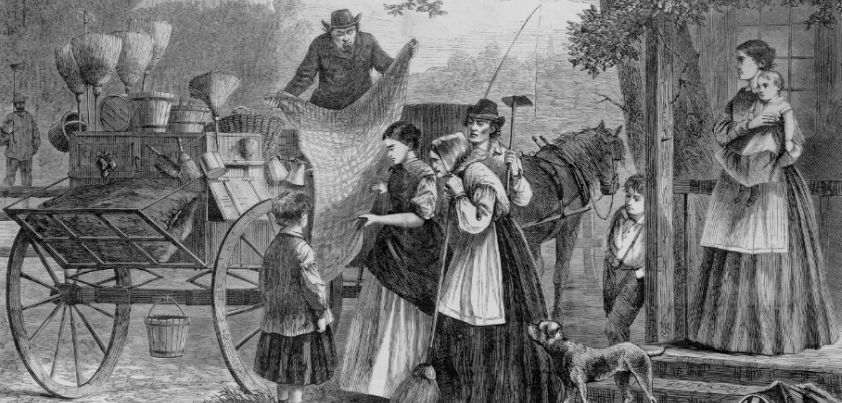
The Higgler: Short story by A. E. CoppardIn this story by A. E. Coppard, a higgler (peddler) faces a difficult choice. Although not formally engaged, he has been “keeping company” with a girl everyone expects him to marry. Life gets complicated when one of his suppliers, a wealthy widow in poor health, asks him to marry her beautiful, well-educated daughter. Though strongly attracted to the girl, she has shown little interest in him. He makes his decision thinking the mother’s offer must have a hidden catch. When she dies, he learns something that may have changed his mind. Themes include struggle, choices and consequences, suspicion, unconsummated love.

Continue ReadingThe Higgler

Waywaya

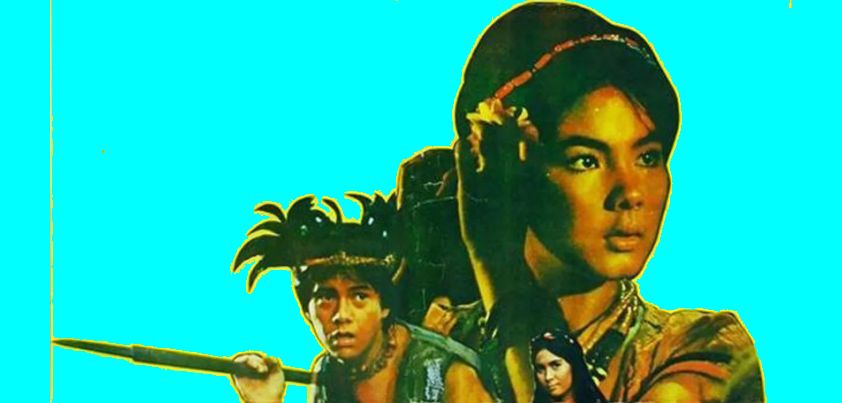
Waywaya: Novelette by Francisco Sionil JoséSet in pre-colonial Philippines, this novelette by Francisco Sionil José, begins with a young warrior who yearns for the freedom to determine his own destiny impulsively kidnapping and enslaving a girl from a rival tribe. The girl, whose name “Waywaya” translates as “freedom”, is ironically robbed of hers. The tragic love that develops between the two highlights themes of identity and personal freedom, prejudice, jealousy and sacrifice. Other themes include social injustice, the opportunity cost of cultural hostilities, and corruption (in this case how rulers can entrench their position and enrich themselves by encouraging fear of an enemy).

Continue ReadingWaywaya

The Sheriff’s Children

The Sheriff's Children: Short story by Charles W. ChesnuttIn this story by Charles W. Chesnutt, a highly respected sheriff with a strong sense of duty protects an alleged murderer from a vigilante mob. He later learns that the prisoner, a mixed race former slave, is his son by a slave woman he had once owned. Believing his son to be innocent, the sheriff faces a dilemma. Should he do his duty (keep him safe until his trial and almost certain hanging) or take responsibility for his welfare (let him ‘escape’)? Themes: race and racism, frontier justice, slavery, identity, regret, duty vs. responsibility.

Continue ReadingThe Sheriff’s Children

The Year of Spaghetti

The Year of Spaghetti: Short story by Haruki MurakamiThis story by Haruki Murakami describes how a reclusive man made 1971 his “year of Spaghetti”. After buying the necessary equipment and ingredients, he set out to cook spaghetti every day of the year. He cooked spaghetti to live and lived to cook spaghetti, comparing it to an act of revenge against his fears and feelings of meaningless isolation. Although he always eats alone, he often imagines someone standing outside about to visit. When his peace is shattered by a desperate phone call from an ex-friend’s ex-girlfriend, he declines to get involved. Themes include loneliness, self-alienation, obsession, futility.

Continue ReadingThe Year of Spaghetti