Let the Old Dead Make Room for the Young Dead
 In this story by Milan Kundera, an “almost old” widow faces a dilemma after a chance encounter with a much younger man she had seduced fifteen years earlier. Talking about their previous (for the man, awkward) lovemaking arouses his passions. She knows that giving in to his desire will almost certainly end in disgust over her aging body. However, she also knows that he is very likely the last young man who appeals to her with whom she will have the opportunity to have sex. Themes include sexuality, memories, aging and death, beauty, loneliness, regret, fulfillment/self-worth.
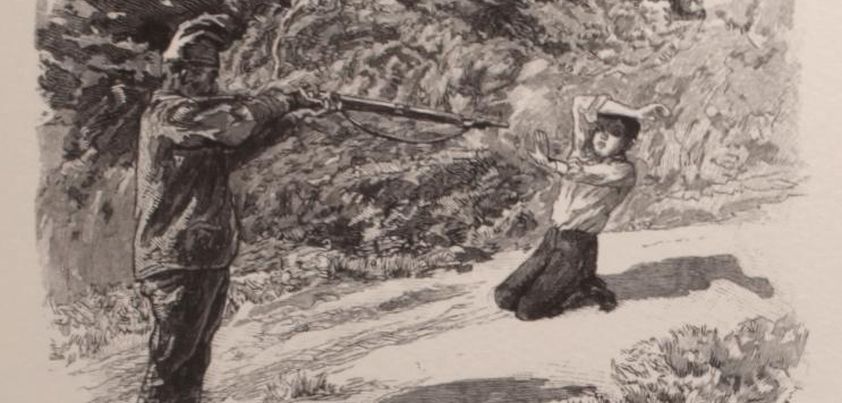 This disturbing tale by
  This circular narrative by
  Central themes of this “Christmas Offering” by
  As anyone who has witnessed an acrimonious divorce knows, sometimes demands over property settlement and custody of children defy logic. This is often because discussions are driven by anger and a desire to hurt or “get back at” the other party as opposed to fairness and what is best for all. In this short story by
  This story from
 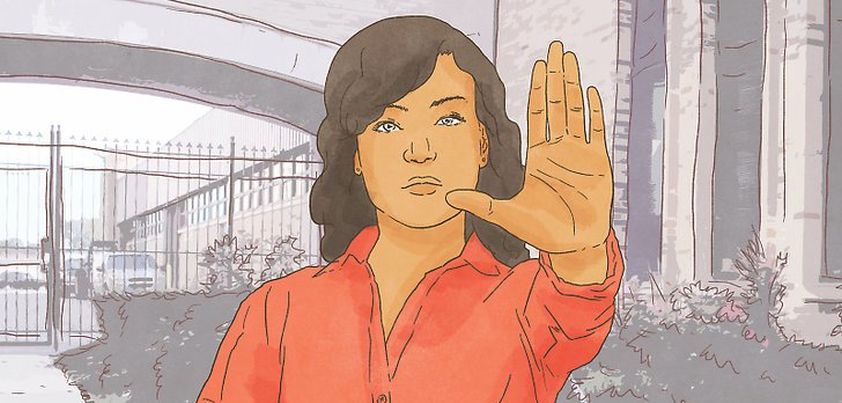 This story explores the dilemma of a teacher who, having been raped by a trusted tutor at fourteen years of age, must face the attacker again as her school’s new headmaster. She refuses to cower before the man, and manages to maintain her dignity and self-respect through two encounters.
  This story by