 In this story by M. R. James, a bookshop sends a mezzotint depicting an early 1800s manor house to a university lecturer on approval. The methodical don, who is also responsible for collecting rare topographical drawings and engravings for the university library, initially dismisses it as being of little interest. However, he soon changes his mind as the image on the mezzotint changes several times over the next day, finally revealing a heinous crime. Intrigued, he feels duty-bound to find the location of the house and discover its secret. Themes include mystery, crime and punishment, revenge, the supernatural. More…
The Luck of Roaring Camp
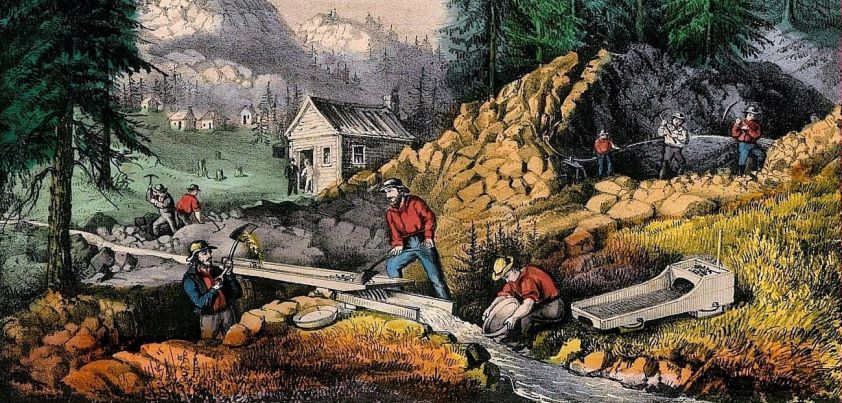 In this story by Bret Harte, strange things happen when a Californian gold prospecting camp “adopts” an orphaned baby born to its only woman resident, the camp prostitute. The birth brings a streak of good fortune to the camp, resulting in the baby being named Thomas Luck. The Luck’s presence inspires the men to clean up the camp, their habits, and themselves. The camp prospers, and there is even talk of encouraging families to move there for the sake of the child. Unfortunately, the Luck’s luck cannot defeat nature. Themes: isolation, lawlessness, community, change/redemption, the inconstancy of luck. More…
Dusky Ruth
 In addition to writing fantasy and horror stories, A. E. Coppard had a wonderful talent for describing nature and human nature through his tales of life and love in the English countryside. Here, a hiker exploring the Cotswolds stops for the night at a village inn. The only lodger, he shares passionate embraces with a dusky serving girl in a downstairs sitting room. Later that night, she invites him to her bedroom where, as she lays naked and crying beside him, he proves to be a perfect English gentleman. Themes include the beauty of nature, isolation, loneliness, sexuality, desire, restraint. More…
Death in Venice
 This Thomas Mann classic is renowned for its masterful psychological profile of Aschenbach, a jaded, aging writer who develops an unhealthy infatuation with a fourteen-year-old-boy during a Venetian holiday. Although the novella’s central theme (homosexuality) is no longer controversial, other aspects of the story (pedophilia and stalking) certainly are. Sympathy for Aschenbach is greatly diminished when, out of selfishness, he decides not to warn the holidaying boy’s family about a deadly epidemic being covered up by authorities. Many readers see Aschenbach’s fate as just punishment for his actions. Other themes: art and the artist, alienation, obsession, depravity, death. More…
The Californian’s Tale
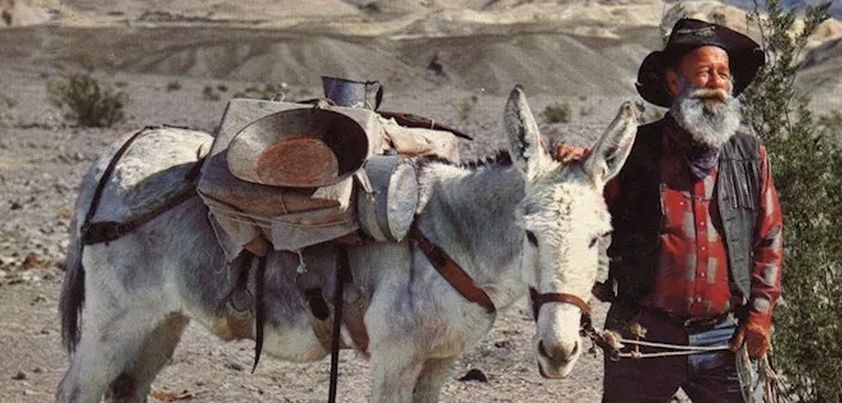 The major themes of this story from Samuel Clemens (aka Mark Twain) are loneliness, love, loss, madness and friendship. A prospector wandering the desolate Californian goldfields after the mines had all closed is surprised to come across a beautifully maintained cabin. When asked inside by the owner, he marvels at the comfort and quality of its furnishings and obvious signs of a woman’s touch. The man tells him that his wife is away visiting family but will return in three days. The prospector accepts the man’s invitation to stay and meet her, but later wishes he hadn’t. More…