A January Night / Poos Ki Raat

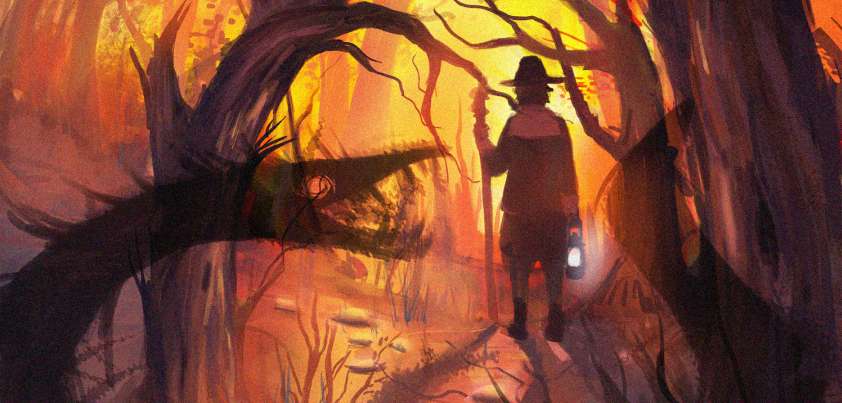
A January Night / Poos Ki Raat: Short story by PremchandThis story by Premchand highlights the plight of tenant farmers in pre-Independence India. In the Hindu calendar, the month of Poos (mid-December to mid-January) marks the beginning of winter. A farmer, forced to pay his debts with money he had saved to buy a blanket, watches over his crops one night in freezing temperatures. With his loyal dog beside him, he manages to survive the night. Unfortunately, his crops do not. His wife is devastated, but he is happy. Themes include the powerlessness and exploitation of tenant farmers, poverty, struggle, the harshness of nature, resilience.

Continue ReadingA January Night / Poos Ki Raat

For Esmé with Love and Squalor

For Esmé with Love and Squalor: Short story by J. D. SalingerJ. D. Salinger’s Esmé is a precocious, orphaned teenage girl whose friendship and compassion help a young American soldier deal with the horrors of war. Salinger’s characterization of the soldier (Staff Sergeant X) in the second part of the story suggests first-hand experience with PTSD. This was misunderstood at the time, as reflected in the comment from Clay’s girlfriend: nobody gets a nervous breakdown just from the war and all. She says you probably were unstable like, your whole goddam life. Major themes: youthful innocence, the brutality of war and its effect on mental health, loss, humanity and hope.

Continue ReadingFor Esmé with Love and Squalor

The Age of Lead

The Age of Lead: Short story by Margaret AtwoodIn this story by Margaret Atwood, a frozen 150-year-old body buried in the permafrost provides a lesson for the living. The story uses the solution to mystery cause of death of members of the ill-fated Franklin Expedition to highlight the dangers of consumerism and modern technology such as soil and water pollution, toxic waste and acid rain. The issues are brought home in the parallel story involving the the protagonist’s frustrating relationship with her eccentric, possibly gay lifetime friend who dies of an unknown viral infection. Themes include tragedy, side effects of consumerism and technology, individuality, friendship/unfulfilled love.

Continue ReadingThe Age of Lead

Blues Ain’t No Mockin Bird

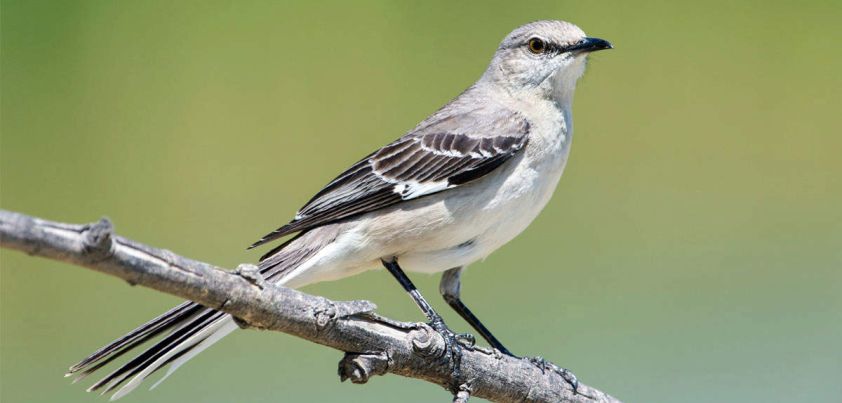
Blues Ain't No Mockin Bird: Short story by Toni Cade BambaraMajor themes of this story by Toni Cade Bambara are respect for oneself and others, and maintaining one’s dignity when treated disrespectfully. Two white men making a government film on their property anger the matriarch of a poor African-American family. They show disrespect by invading her family’s privacy and filming them without permission, speaking down to her in a condescending way, and ignoring her demand to stop filming. Although clearly enraged, she remains outwardly calm; not so her husband who, sensing her feelings, takes non-violent but decisive action. Other themes include social class, racism, privacy, storytelling.

Continue ReadingBlues Ain’t No Mockin Bird

He-y, Come On Ou-t!

He-y, Come On Out!: Short story by Shinichi HoshiIn this parable by Shinichi Hoshi, a landslide opens up a seemingly bottomless hole in the ground. A businessman obtains the rights to fill the hole. He gets permission to dispose of toxic waste, and soon hazardous materials from nuclear power plants and contagious disease experiments are being poured into the hole along with domestic waste and classified government documents from a nearby city. The city and ocean are cleaner, and even the sky seems clearer than before. That is until a workman atop a tall city building hears a voice from above shouting: He-y, come on ou-t!

Continue ReadingHe-y, Come On Ou-t!

A&P

A&P: Short story by John UpdikeJohn Updike’s A&P reflects some common Middle American attitudes before the social upheavals of the 1960s. A supermarket employee (Sammy) resigns when three girls in swimsuits are rudely asked to leave the store. Themes include appearance, respect, sexuality, humiliation, class and choices. I don’t share the common interpretation that Sammy’s actions are heroic. The misogyny evident in his denigrating, sexist descriptions of the girls and cruel references to other customers suggest that he is not as righteous as he makes out. Would such a person really quit because of Lengel’s treatment of the girls, or could there be another reason?

Continue ReadingA&P

Sunanda

Sunanda: Short story by BanaphoolThis story by Banaphool opens with a young Indian woman dreaming about what might have been… the power and prestige that comes with a good education. The dream ends with her contemplating revenge on a man who had recently rejected her as a prospective bride. We don’t learn the outcome, because she wakes to the grim reality of her miserable existence. Despite excellent grades at school, her father denied her a tertiary education. As her poverty-stricken family desperately tries to marry her off, she takes drastic action. Themes include poverty, the importance of education, rejection, despair.

Continue ReadingSunanda

Silent Snow, Secret Snow

Silent Snow, Secret Snow: Short story by Conrad AikenConrad Aiken’s Silent Snow, Secret Snow is a psychological horror fantasy. It begins with a twelve-year-old boy (Paul) imagining overnight snowfalls. This leads to a growing fascination with snow, the thought of which provides relief from the mundane routine of his daily life, the ugliness of the world around him, parent-child conflicts, and awakening sexuality. As the imagined snowfalls increase, Paul begins to lose touch with reality. In the disturbing climax, his boy’s “snow voices” come alive and he completely withdraws into himself as they tell him a story. Major themes: mental illness, concealment, detachment and alienation.

Continue ReadingSilent Snow, Secret Snow

The Decapitated Chicken

The Decapitated Chicken: Short story by Horacio QuirogaIn this story by Horacio Quiroga a loving couple has four sons, each of whom soon degenerates into idiocy. The couple become bitter and resentful, each blaming the other for their sons’ congenital imbecility. When a daughter is born who does not share the condition, the parents ignore the boys, leaving them in the care of a servant who brutally mistreats them. One day the boys watch as the cook decapitates a chicken. Fascinated by the sight of blood, they later imitate the act with the only small ‘animal’ available. Themes include mental illness, despair, rejection and neglect, cruelty, violence.

Continue ReadingThe Decapitated Chicken

Yellow Woman

Yellow Woman: Short story by Leslie Marmon Silko“Yellow Woman” is a central, usually heroic figure in the folklore of Pueblo Native Americans. Like Leslie Marmon Silko’s protagonist, she is often portrayed as an independent, sexually uninhibited character who connects with the spirit world. This story blurs the lines between that myth and reality. The “real world” presented is full of conflicts: old ways vs. new; pristine landscapes vs. ranches and highways; law and order vs. cattle theft and murder; faithfulness vs. desire. In the end, it is this reality that wins the day. Themes: storytelling, myth vs reality, identity, interconnectedness with nature, empowerment through sexuality.

Continue ReadingYellow Woman