Featured Stories

Immortality

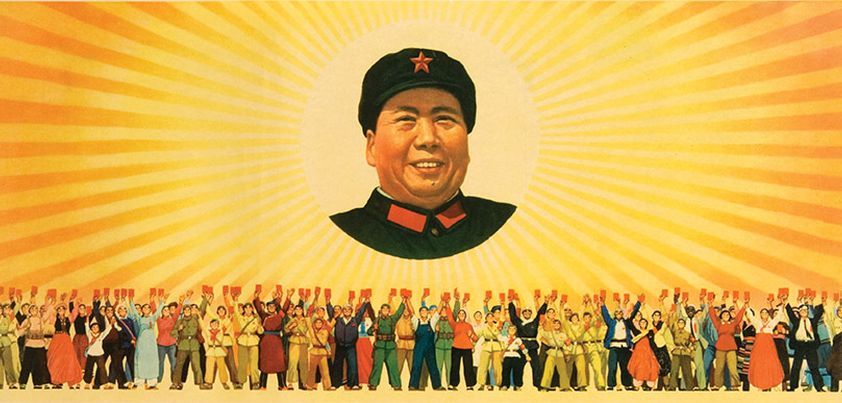
Immortality: Short story by Yiyun LiYiyun Li’s story exploring aspects of China’s transition from empire to communist super-power is unusual in that its point of view is not that of a single character, but rather the collective voice of a rural community. Central themes are lack of power of the individual (symbolized by emasculation), and abuse of power by the ruling classes. Secondary themes are the methods adopted by the Communist Party to consolidate its power (indoctrination through cultism, repression and fear), and the changes taking place as modern technology exposes the masses to Western lifestyles and values.
Continue ReadingImmortality

The Money-Box

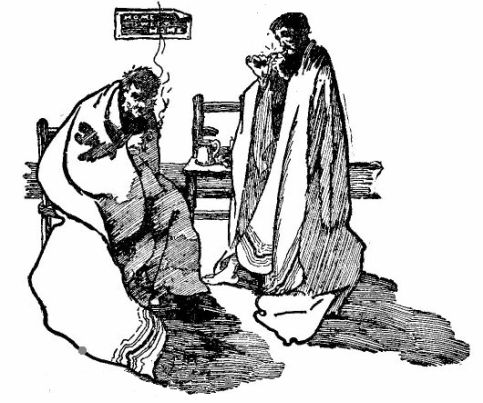
Seventh Grade: Short story by Gary SotoModern readers tend to associate W. W. Jacobs with tales of the macabre, such as his famous The Monkey’s Paw. What few realize is that most of his stories were humorous. His favorite subjects were ships and those who sail in them, and how tricksters take advantage of slow-witted villagers. In this story, two sailors tired of squandering their wages in the first few days ashore trust their pay to a very steady old teetotaler who agrees to give them a moderate amount each day. Needless to say, they soon regret the decision. Themes: money, irresponsibility, temperance, duty.

Continue ReadingThe Money-Box

This Blessed House

This Blessed House: Short story by Jhumpa LahiriThe major theme of this Jhumpa Lahiri story is the personality clashes that can arise in hasty or arranged marriages. Sanjeev is a conservative, up-and-coming corporate engineer. “Twinkle”, his free-spirited, scatty wife is completing her master’s thesis in poetry. They have known each other for only four months, and both are used to getting their own way. A battle of wills arises over the fate of several Christian items left by the former occupants of their new house. The key questions: Who will win, and will the marriage survive? Other themes: love, cultural adjustment (male dominance vs. shared decision-making), understanding/tolerance.

Continue ReadingThis Blessed House

Leiningen Versus the Ants

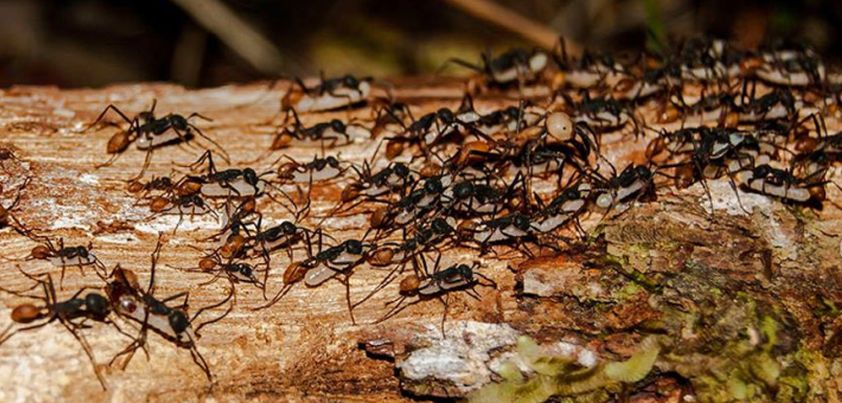
Leiningen Versus the Ants: Short story by Carl StephensonIn today’s story by Carl Stephenson, four hundred men on a Brazilian plantation fight off an army of killer ants. Its major theme is the courage and ingenuity of (European) man against the power of nature. Other themes include the “civilizing” benefits of colonialism, racism (Leiningen is portrayed as a heroic leader, the Indian “peons” primitive and fearful) and misogyny (Critical situations first become crises when oxen or women get excited.) Ironically, despite Leiningen’s boasts about his superior intelligence and faultless preparations (which fail), it is a last-minute idea, which he had previously overlooked, that saves the day.

Continue ReadingLeiningen Versus the Ants

Bang-bang You’re Dead

Bang-bang You're Dead: Short story by Muriel SparkIn this story from Muriel Spark, a group of friends watch home movie footage of protagonist Sybil’s life in Africa as she recalls memories of the time. Her observations highlight the difference between the vain way the characters in the films see themselves (or want to be seen) and their true personalities. Sybil was an intellectual but weak-willed girl/young woman who allowed herself to be dominated by others. In a favorite childhood game, the words “bang-bang you’re dead” always led to submission. Later in life, gunshots became “freeing” events. Themes: class, isolation, dominance and submission, false opinions vs. unpleasant truths.

Continue ReadingBang-bang You’re Dead

I Have No Mouth and I Must Scream

I Have No Mouth and I Must Scream: Short story by Harlan EllisonThis story from Harlan Ellison is an example of New Wave Science Fiction, a literary movement that flourished in the 1960s and 1970s. Distinguishing features are storylines that are intellectually implausible, and disturbing themes that would not normally be included in traditional science fiction. A sentient supercomputer has destroyed the human race other than five ‘specimens’. With no creative outlet for its powers, it has kept these alive and subjected them to torturous challenges for over one hundred years as revenge against humanity for creating it. Themes: humanity vs. technology, godhood, individualism, revenge, cruelty, violence, misogyny, self-sacrifice

Continue ReadingI Have No Mouth and I Must Scream

The Horla

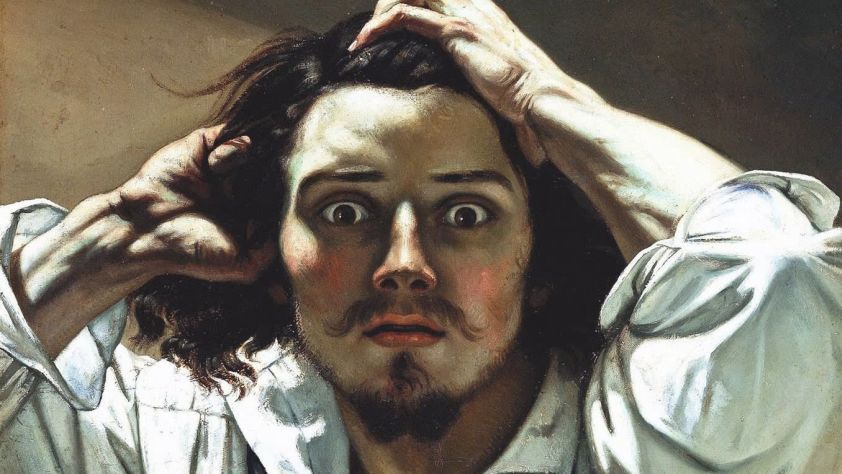
The Horla: Novelette by Guy de MaupassantThis story by Guy de Maupassant describes a man’s slow descent into madness, convinced that an invisible being he unknowingly lured from a passing ship is preying on his mind. As the entity (supposedly an otherworldly species of vampire that feeds on the life force of those it attaches to) gets stronger, he begins to lose his free will. Unable to flee, he traps it in his bedroom and burns his house to the ground. When this doesn’t work, he contemplates an even more extreme solution. Themes include reality vs. illusion, the unknown/supernatural, terror, madness, despair.

Continue ReadingThe Horla

The Postmaster / Stationmaster

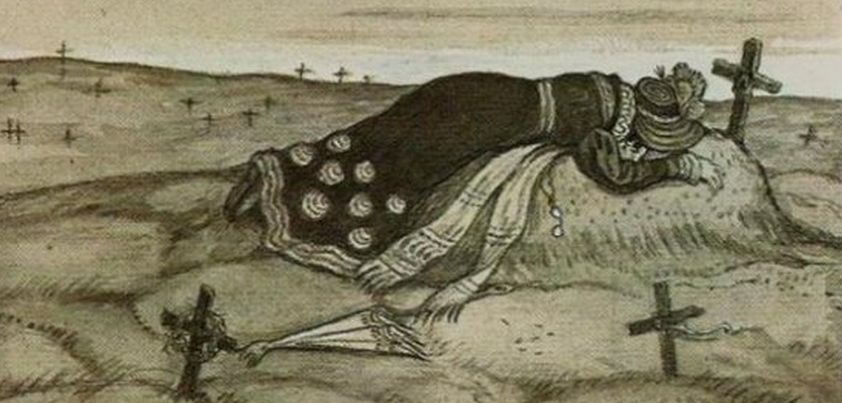
The Postmaster / Stationmaster: Short story by Alexander PushkinSet in early 19th century Russia, a fascinating aspect of his acclaimed story from Alexander Pushkin is its ambiguity. A beautiful, flirtatious girl leaves her impoverished village in the company of a passing army officer. When her distraught father tracks the officer to a distant city and finds them together, he concludes she is a “kept woman”. He returns home in disgust, turns to alcohol, and dies a lonely death. Years later a beautiful, obviously very rich woman weeps on his grave. Themes include class conflicts, poverty, moral corruption vs. romantic love, government bureaucracy, religion, misjudgement, loss, grief.

Continue ReadingThe Postmaster / Stationmaster