 In this confronting coming of age story by Celeste Ng three rebellious junior high school girls, ostracized by their peers because they come from the poor part of town, respond by playing a sex game with boys every recess. The girls are outsiders, and one day pause the game to befriend another outsider, a sweet, naïve new girl in town, and teach her teenage ways. To their horror, when other students tell the girl about their sex game, she insists on joining in. Themes include friendship, sexuality, social class, innocence, fitting in. More…
Father Against Mother
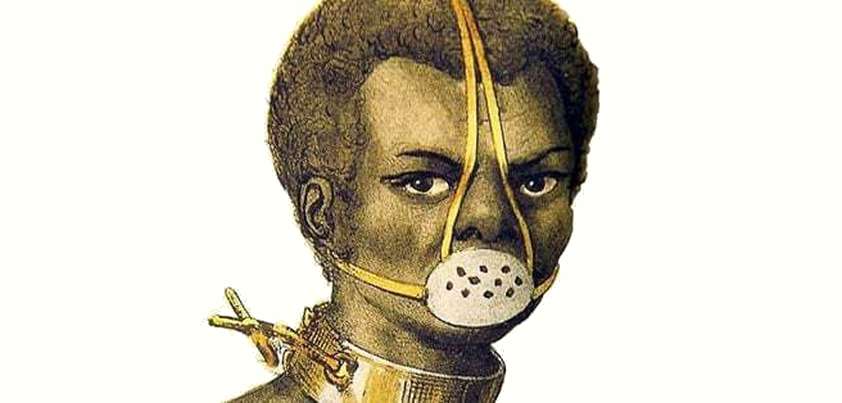 Brazil was the last country in the Western world to abolish slavery. Major themes of this story by Joaquim Maria Machado de Assis are the brutality of slavery and the ethical dilemma of the protagonist (a destitute slave catcher whose wife has just had a baby) in returning a pregnant escaped slave to potentially cruel punishment. Literary devices used include understatement (pursuing slaves was … not a very noble profession), sarcasm (They would sometimes be beaten, and not all of them liked being beaten.) and metaphor (That unripe fruit entered the world amid the cries and moans of the mother…). More…
Pigs is Pigs
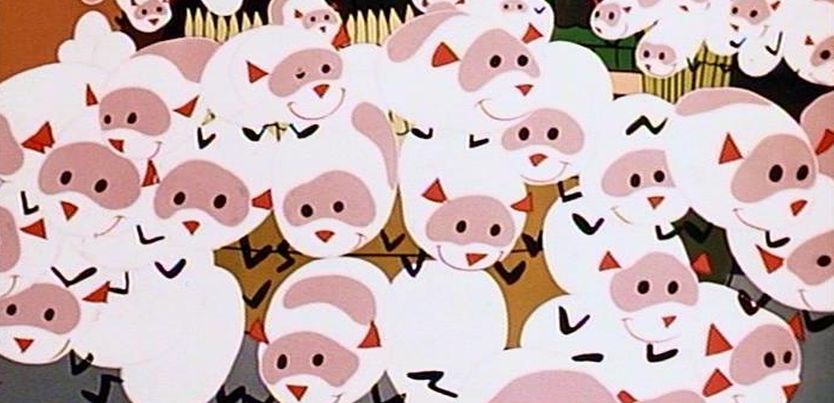 This humorous story by Ellis Parker Butler illustrates how excessive bureaucracy can have dire consequences. A customer argues with a railway freight agent who claims that two guinea pigs he has been sent should be charged as common pigs (sixty cents) rather than pets (fifty cents). The customer leaves the pigs with the agent, planning to collect them after complaining to the freight company’s Head Office. By the time the matter is settled in the customer’s favour, the ten-cent dispute has almost brought the company to its knees. Themes include misinterpretation, stubbornness, bureaucracy gone awry. More…
The Devil and Tom Walker
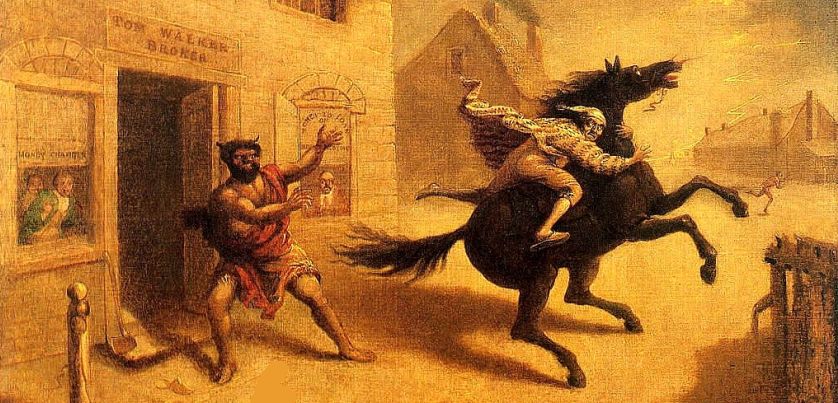 The major theme of this story by Washington Irving is greed. Other themes include storytelling, usury, religion and hypocrisy. Set in early eighteenth century America, a miserly, poverty-stricken man (Tom Webster) meets “Old Scratch” (the Devil) as he takes a short-cut home through a swamp. Tom initially declines an offer of riches for his soul, but later agrees after the Devil unknowingly does him a favor by disposing of his shrew-like wife. Upon becoming extremely wealthy by making and foreclosing on usurious loans, he tries to change his fate through “violent” religious piety. It doesn’t work! More…
Theft
 The major theme of this story by Katherine Anne Porter is loss… a stolen purse, lost friendships and opportunities, loss in love, loss of youth, and loss of hope. The real “robber” in the story is the protagonist, a struggling, ‘not so young’ writer who prides herself on her trusting, easy-going, unmaterialistic nature. After receiving a letter ending a love affair and later having her purse stolen, she realizes that if she doesn’t take charge of her life and stop “letting things go”, she will end up with nothing. Other themes include apathy and self-delusion, alienation, love, rejection, guilt. More…