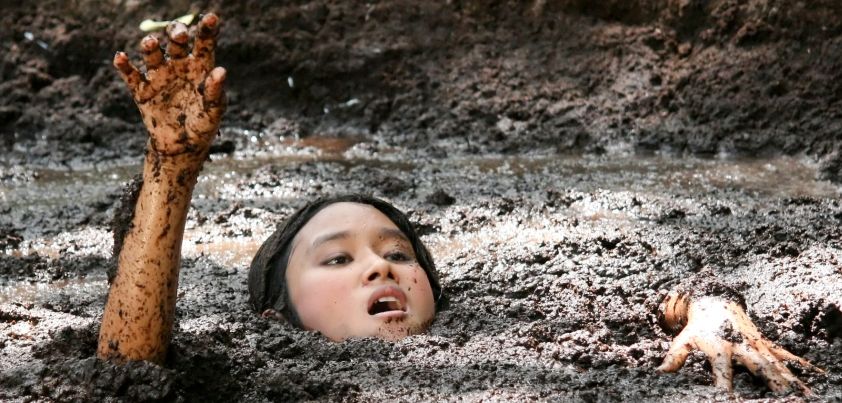
 This confronting story from Isabel Allende is based on the real life plight of Omayra Sánchez, killed in a volcanic eruption in 1985. It highlights the confusion and suffering that often accompanies natural disasters, and the human and psychological tolls on both victims and responders. The irony of the story is that despite the massive resources employed by news agencies to cover the incident, they were unable to locate and bring in a pump to save the girl. Themes include man against nature, compassion, courage, faith/acceptance of fate, the healing effect of facing and sharing past tragedies. More…
Bread of Sacrifice
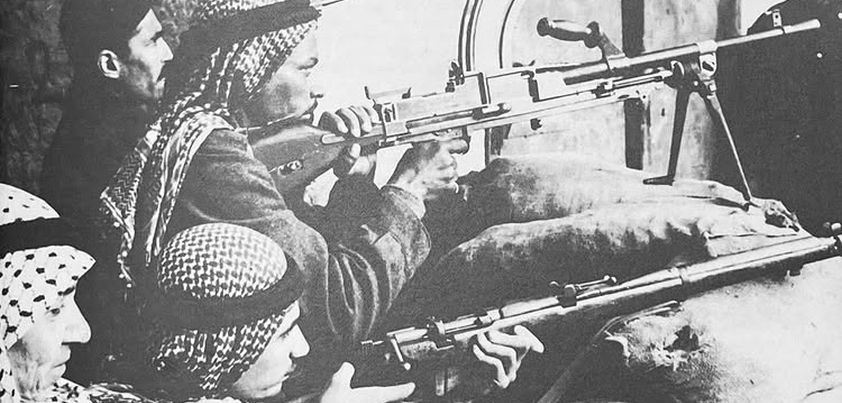 Set during the 1947-1948 civil war in Mandatory Palestine, this story by Samira Azzam describes a tragic romance between a Palestinian fighter defending the city of Acre and a young nurse who elected to remain after her family had fled. Both are idealistic and prepared to die out of love for their homeland. The girl is shot delivering a basket of bread to the starving men on the soldier’s roof-top barricade. The men face a dilemma… eat something prohibited under Islamic law (a dead dog), or bread soaked in the martyred woman’s blood. Themes include love, patriotism, courage, death. More…
Three Skeleton Key
 Last year we featured Leiningen Versus the Ants, a story in which 400 men try to fight off an army of killer ants. In today’s tale by George Toudouze, three men are trapped inside an isolated lighthouse, surrounded by a horde of starving rats. One of the men is prone to panic and loses his mind when the rats break in to the lower part of the tower. The other two remain calm and, although a serious breach of duty, agree on a desperate course of action that saves the day. Themes: man vs. nature, fear, calmness under pressure. More…
The 13-Carat Diamond
 Khin Mya (aka Khin Myo Chit) is one of a small number of recognized Burmese (now Myanmars) authors who wrote in English as well as their native tongue. The story takes place during World War II at the time the Japanese occupied Burma. It tells of the humorous experiences of a young couple who are finding it hard to make ends meet. The woman fails at running a market stall, and comes up with a plan to become rich overnight. All she has to do is find someone with a 13-carat diamond they are willing sell. More…
LAFFF
 The Asian-American protagonist in this story by Lensey Namioka desperately wants to impress her parents by winning the Best Story Award for her grade in her school’s annual writing competition. Meanwhile, a nerdy classmate and neighbor has developed a time machine in his garage. She is the only one who knows about it and, when she can’t come up with a story she is happy with, she decides to travel forward in time to copy the winning entry. Her major concern is coming face-to-face with herself! Themes include pressure to succeed, friendship, time travel, cheating. More…