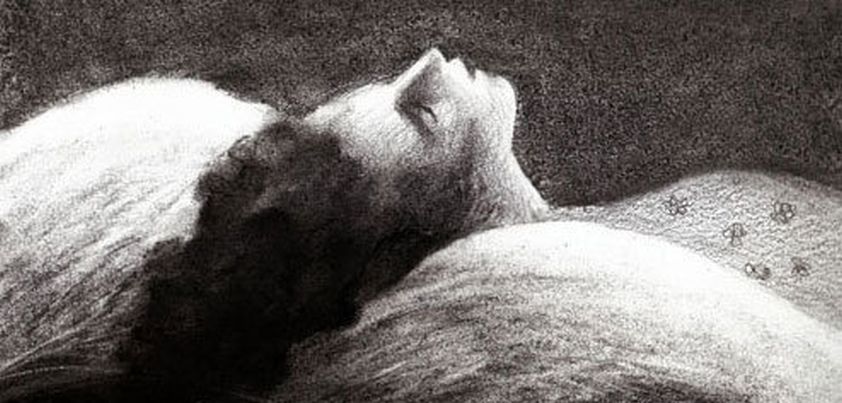
 In this story by Horacio Quiroga a healthy young woman slowly wastes away and dies over the three months following her wedding. Her husband’s impassive manner, coupled with spending her days alone in his cavernous, unwelcoming house, destroy her childhood fancies of married life. Her fate is sealed when she decides to cast a veil over her former dreams and live like a sleeping beauty in the hostile house. Later, we learn that it is not their house that is hostile, but her feather pillow. Themes include innocence, love and marriage, isolation and loneliness, disillusionment, depression and death. More…
Dharma
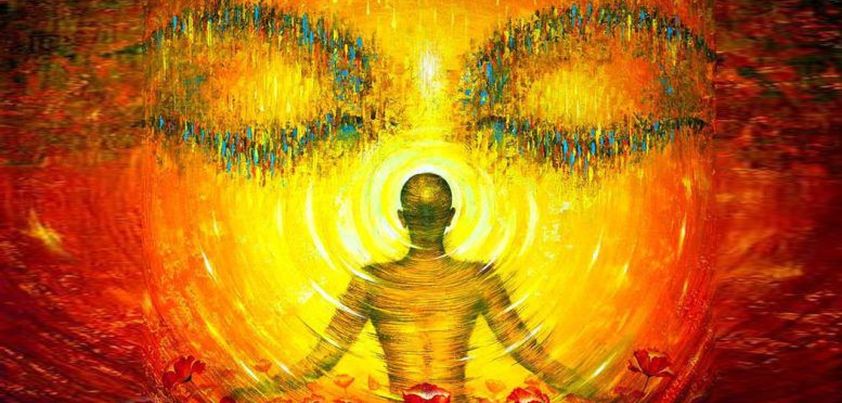 This story from Vikram Chandra focuses on the life of career soldier Jago Antia. In a twist on the ghost story genre, most of the action occurs in a house haunted not by the ghost of a dead inhabitant, but the “lost” spirit of Jago’s youth. A question raised by the story is Which of the many meanings of the word “dharma” does the title refer to? Superficially, it reflects Jago’s distinguished career (duty). On a deeper level, it represents the self-awareness (freedom) provided by confronting his personal ghost. Themes: modern vs. traditional beliefs, duty, self-discipline, courage, the supernatural, dharma. More…
Repent, Harlequin! Said the Ticktockman
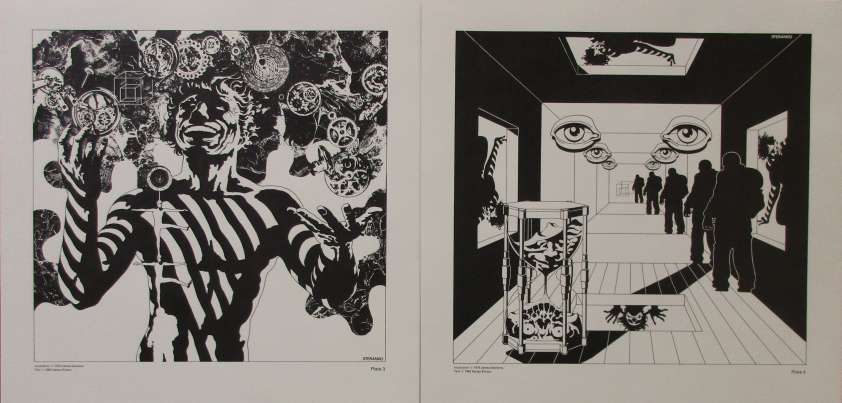 This story by Harlan Ellison takes a satirical look at the way people can become slaves to time. In a future dystopian world, everyone and everything must be on time. The Master Timekeeper (aka the Ticktockman) is responsible for policing this. He has a special power: if someone is late to work or causes something to be delayed, that person has the lost time deducted from their lifespan. Only one man stands against him: a disruptive rebel who calls himself the Harlequin. Themes include totalitarianism, obsession with timeliness and productivity, misused technology, social regimentation, individualism, the futility of individual revolt. More…
The Summer Solstice
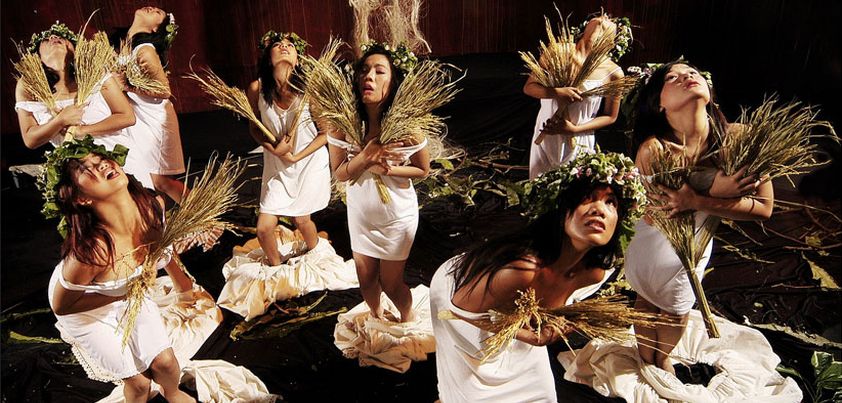 This story by Filipino writer Nick Joaquin takes place over the final two days of a “hybrid” religious festival. Because both take place over the summer solstice, the Catholic feast of St John and pagan Tadtarin fertility rituals are celebrated together. Tadtarin is performed exclusively by women (or men dressed up as women), invoking their power to ensure a bountiful harvest. Events lead to an unsettling climax where a usually submissive wife pitilessly humiliates her rich landowner husband. Themes include gender stereotypes (especially male domination and cruelty towards women) and cultural changes brought about by Westernization. More…
Cinderella
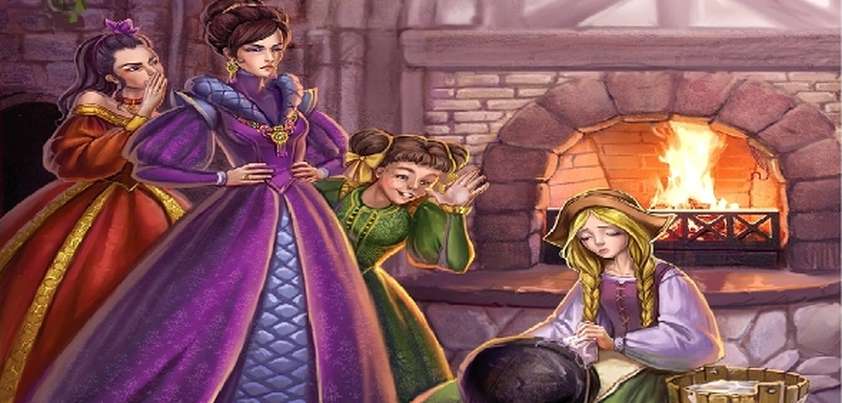 Cinderella, perhaps the world’s best-known children’s story, has its origins in folklore. The version immortalized by Disney was first published in Charles Perrault’s 1697 book Stories or Tales from Times Past, with Morals, also known as Tales of Mother Goose. (Yes, Mother Goose was a man!) There are said to be over 1,000 variants of the story across the world. Perrault took the original framework, which has been around since the days of the pharaohs, and added the three elements for which his version is famous today: a fairy godmother, a pumpkin-carriage, and glass slippers. More…