 This is one of the best-known stories by Australian poet and writer, Henry Lawson. It takes place in the late 1800s and involves three men and their big, lovable retriever pup. The men are working together digging for gold and like to go fishing in their free time. When the fish stop biting, they decide to catch them by making a bomb and exploding it in the water. The pup picks up the bomb, accidentally lights the fuse as he runs past the campfire, and has great fun chasing the men around the gold fields trying to give it back. More…
Bliss
 In this story from Katherine Mansfield, a thirty-year-old wife and mother who marvels at her joyful, upper middle-class life learns the meaning of the proverb ignorance is bliss. Throughout the story, which takes place over a single day, she seeks to identify the source of her happiness. Over dinner with some artistic friends, there is an indication that it may be linked to a new friendship with a female guest. Strangely, this results in her first ever strong sexual desire for her husband. Alas, her lust and bliss are soon shattered. Themes: happiness, modernity, sexuality and desire, deception, adultery. More…
The King of Jazz
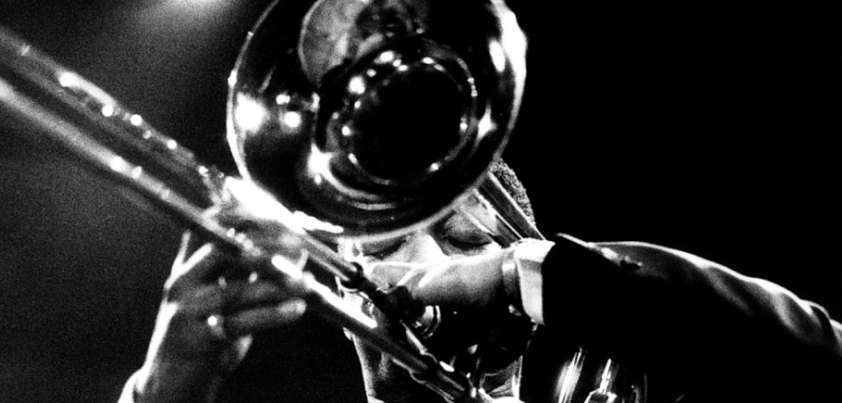 The King of Jazz provides a satirical account of several aspects of the American music scene. Donald Barthelme loved jazz, and his main target here are fickle music critics and the way they try to out-do each other with flowery and often meaningless language when describing performances. He also makes fun of the ‘cutting contests’ once used by musicians to judge themselves against one another and, in so doing, satirizes the system of ‘chair challenges’ that were (are?) common in U.S. school bands. Finally, he sends up the notion that American musicians are the preeminent force in world jazz. More…
The Curious Case of Benjamin Button
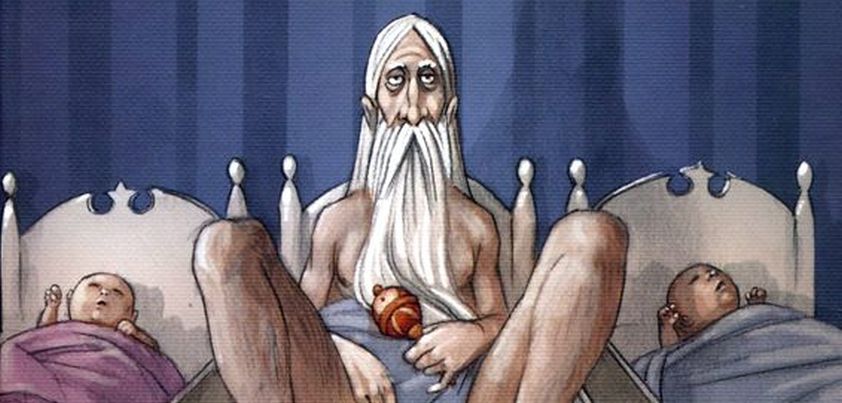 This F. Scott Fitzgerald story recounts the life of a man who grows “younger” by getting “older”. Themes include identity, social standing, and self-centeredness. The major theme, identity, is explored in the context of chronological age dictating expected behavior (e.g. “young” Benjamin obliges his father by constantly breaking things, whereas his “old” body would rather be smoking cigars). The people around Benjamin care more about protecting their reputations against gossip and scandal than they do about his condition. Finally, Benjamin proves himself as heartless as they are by hiding the problem and luring an unsuspecting woman into a doomed marriage. More…
La Grande Bretèche
 In this story by Honoré de Balzac, an elderly French doctor entertains guests at a dinner party by relating how, by seducing a hotel maid to complete the puzzle, he was able to solve the mystery of a dilapidated, abandoned mansion. Upon completion of his narration the story continues: all the ladies rose from table … But there were some among them who had almost shivered at the last words. Themes include social class, marriage, betrayal, vengeance, and gallantry (on the part of the Spanish noble for the way he faced death without giving his lover away). More…