 Kurt Vonnegut described this semi-autobiographical tale, written in honor of his wife, as a sickeningly slick love story. A satire of the “love at first sight” romance cliché, it describes how, after a platonic friendship of almost twenty years, a single expression of love and two kisses is all it takes for Catharine to question her plans to marry another man and fall into Newt’s arms. Themes include communication (failure to express/discuss their feelings sooner), taking people for granted (Newt didn’t appreciate how much Catharine meant to him until almost losing her!), and fighting for what is important in life. More…
The Sisters
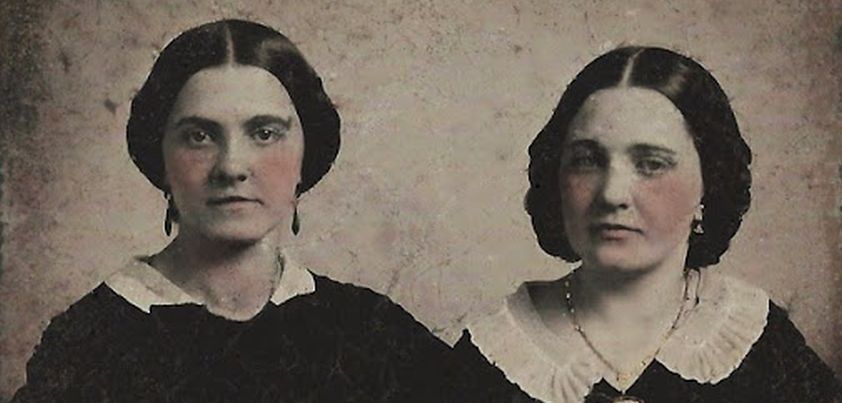 Several themes in this story by James Joyce (paralysis, corruption and abuse of authority) are said to represent major issues facing both Ireland and its Catholic Church in the early 1900s. The story, which takes place shortly after the death of a Catholic priest, is narrated by a boy who was friends with and mentored by the cleric. He is angered by insinuations the priest was involved in a scandal but also feels “freed”, presumably because he can resume a normal boyhood. Other themes include religion, secular vs. religious education, fall from grace, mental illness, loneliness, death, “freedom”. More…
April in Paris
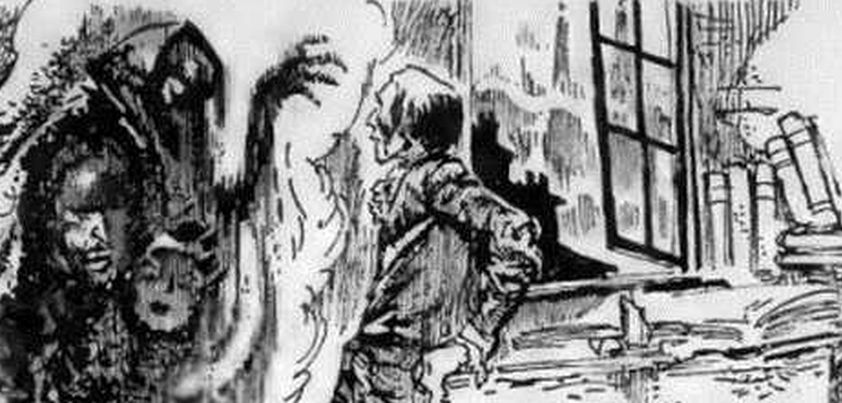 The central theme of this Ursula Le Guin story is the alienation and loneliness brought about by obsession with work and lack of companionship. A 15th century French scientist, frustrated with being unable to prove a theory he had developed, decides his work is a waste of time. He experiments with black magic and is surprised when his first spell is a success, allowing him to teleport kindred spirits from the past and future to join him. Those who come are so happy in his reality that they have no desire to return. Other themes: the occult, connection. More…
The Intoxicated Years
 This story by Mariana Enriquez is set during one of Argentina’s worst economic crises. As their parents struggle for economic survival and fight their own demons, three late-teenaged girls are given almost total freedom. With no respect for adults or their conventional peers, the thoroughly dislikeable trio pursue a hedonistic, drug and alcohol fueled lifestyle. The socially detached girls pledge a bond of “sisterhood”. When a punk rocker causes one of them to distance herself, the others exact violent retribution. Themes include alienation, social isolation, alternative culture, drug dealing and abuse, betrayal, revenge. More…
The Fly
 Katherine Mansfield‘s The Fly is about death, grief and aging. Two old men handle their sons’ wartime deaths differently. Six years have passed. Mr Woodifield, in poor health physically and mentally, has come to terms with the loss of his son. “The boss”, healthy and successful, still grieves… but not for his son. He laments the sacrifices he made in preparing the boy to take over his business, and shows his true character by torturing a fly. This leaves him feeling wretched and frightened. Could the fly’s struggles have reminded him that even the strongest (himself included) eventually die? More…