 In Raymond Carver’s Cathedral, a troubled, disillusioned man with a cynical view of the world is suddenly confronted by his metaphorical blindness. Ironically, the person who brings about this epiphany is a blind friend of his wife. The story begins with the husband full of sarcasm (Maybe I could take him bowling…) as the couple discuss the blind man’s visit. He has pre-conceived ideas about the blind and is surprised when their visitor doesn’t fit the stereotype. Themes include friendship and marriage, insecurity, alienation and loneliness, creativity and imagination, perception (looking vs. seeing). More…
Burning in the Rain
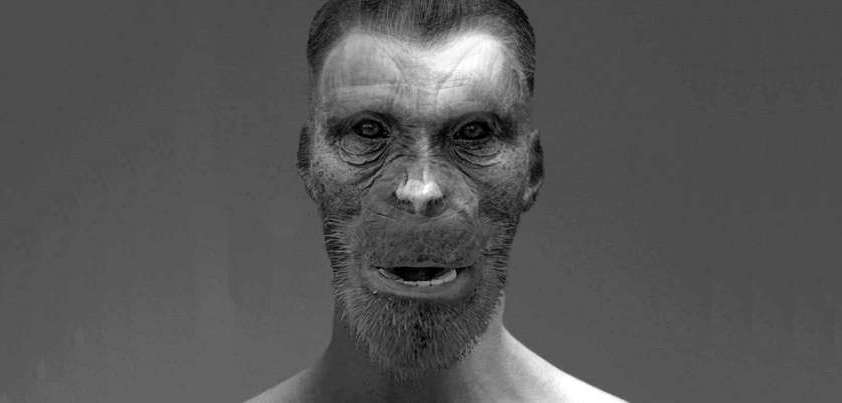 To fully appreciate this story and the book it came from, The House of Hunger, one needs to understand the troubled life of its Zimbabwean author, Dambudzo Marechera. A central motif is the “ape in the mirror,” which increasingly dominates the protagonist’s psyche. This could represent Marechera’s personal demons (mental illness, alcohol, drugs and violence) and/or be a thinly disguised metaphor for the devastating “guerrilla war” that brought Robert Mugabe’s ANU government to power. The latter is symbolized in the penultimate paragraph by the rain (that) sounded like the microscopic commotion of six million little people fleeing a national catastrophe. More…
The Young Man Who Flew Past
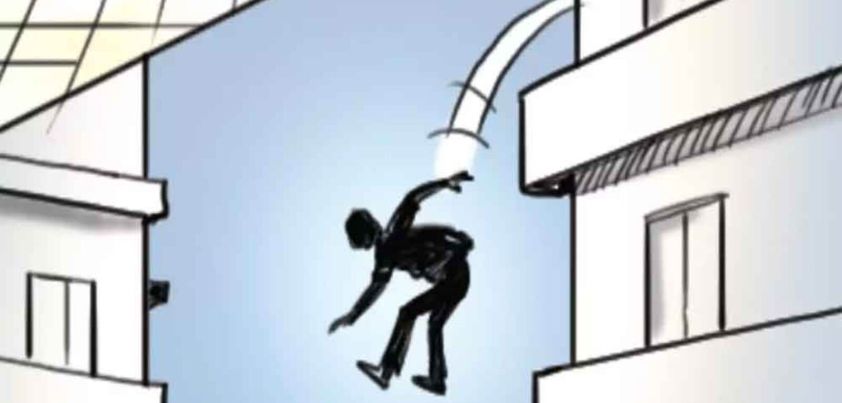 Writers must have a disproportionate fascination with heights, because there are a number of well-known stories in world literature about people falling, jumping or being pushed/thrown from tall buildings. Published in 1915, this short satire of middle-class society by Arkady Averchenko may be one of the first. A husband throws his wife’s lover from the sixth floor window of their apartment building. Through the windows on the way down, the falling man sees different ways his life could have gone. As he reaches the bottom, he is happy with his gruesome fate. Theme: men’s ‘destiny’ (ambition, marriage, family, adultery, depression, death). More…
The Crowd
 In this chilling story by Ray Bradbury, a man badly injured in a car accident senses something ominous about the onlookers in the crowd that gathered around him. Several weeks later, he notices these same individuals at another accident. He searches newspaper archives and discovers that they and similar groups had attended hundreds of accidents over the last decade. Their sinister purpose is revealed when he has another car crash and they decide to “make him more comfortable”. Themes include morbid curiosity, schadenfreude, anonymity and the possibility of evil in a crowd, the supernatural. More…
The Erlking
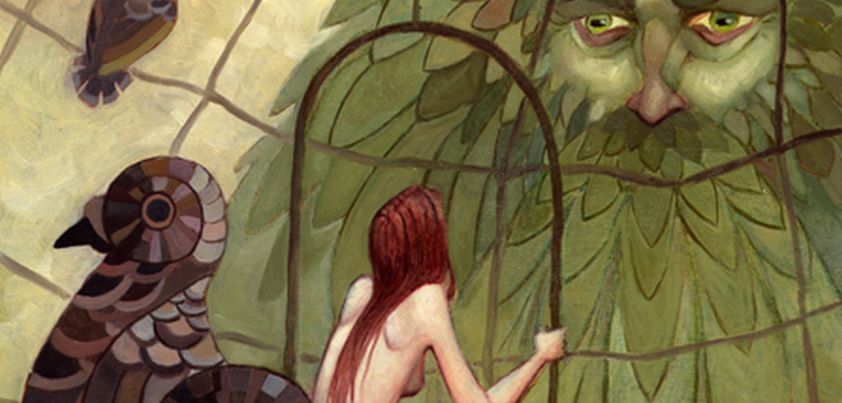 This “fairy-tale” by Angela Carter is derived from a European myth. A magical being living in harmony with nature seduces young women traveling through his forest domain. The women are powerless to resist. When he tires of one, he transforms her into a bird, cages her, and adds the cage to a collection of similar cages adorning the walls of his house. The protagonist, sensing her fate, decides that the only way to free herself and his “bird” collection is to do away with him. Themes include connectedness to nature, the supernatural, power and objectification, sexuality, entrapment, liberation. More…