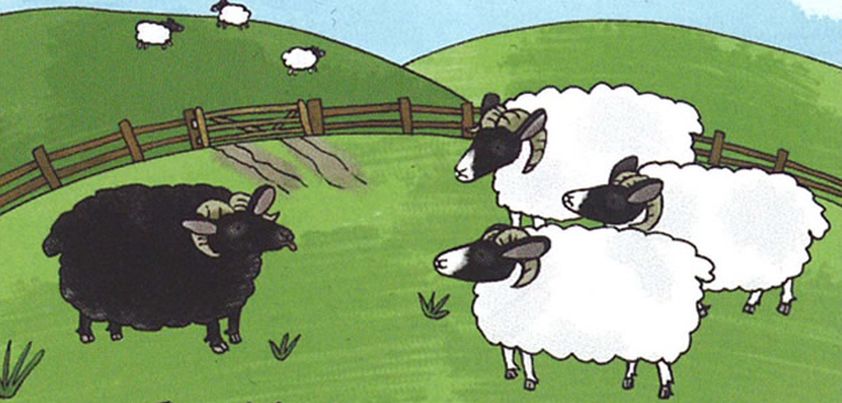
 In this Anton Chekhov story, wealthy family members consider what to do about a nephew who has issued a false promissory note (IOU) in one of their names. Do they repay the debt to preserve family honor and avoid a scandal, or let justice take its course? On learning of the decision, the unscrupulous young man uses it to extort further money from an uncle trying to help him and, in the process, grudgingly admits an unfortunate aspect of his character. Themes: crime and consequences; justice/civic duty vs. family honor; nature vs. nurture, hedonism of the young upper-class, pride, despair. More…
Johnny Mnemonic
 The protagonist in this pioneering cyberpunk story by William Gibson is a data courier. To escape a Yakuza assassin, he must decode a message in a secure storage device implanted in his brain. When the client who holds the password is killed, he turns to razor-fingered Molly Millions, Jones the dolphin, and the “Lo Teks”, Molly’s anti-technology friends, for help. The major theme, given that every major character has some kind of bionic enhancement, is identity (how technology can blur the line between man and machine). Other themes: body augmentation, corporate power, organized crime. More…
Africans
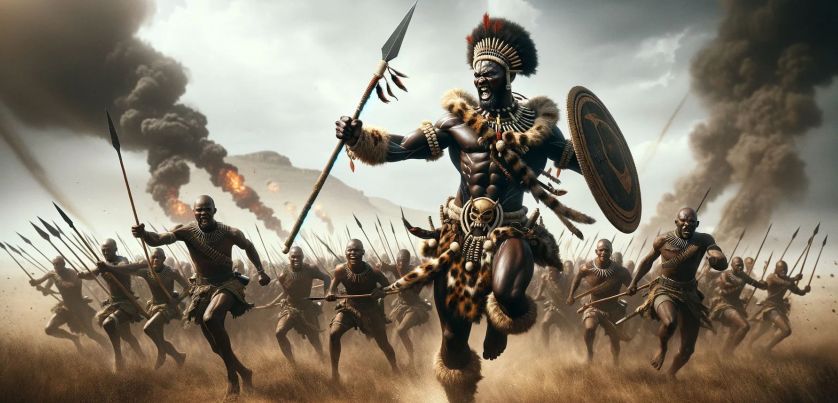 Said to be an allegory of power relations between individuals in a colonial setting, the major themes of this story by Sheila Kohler are oppression and betrayal. An Afrikaner betrays his family through a combination of physical assaults, homosexual encounters, and inappropriate touching of his son’s classmates. His wife betrays him with an overseas affair, and her son and his classmates by not reporting his paedophilic tendencies to the police. Lastly, the wife’s “loyal” African servant since childhood betrays her in a moment of need. Other themes include family, gender roles, sexuality, domestic violence, fear, loyalty vs. duty. More…
Tell Them Not to Kill Me
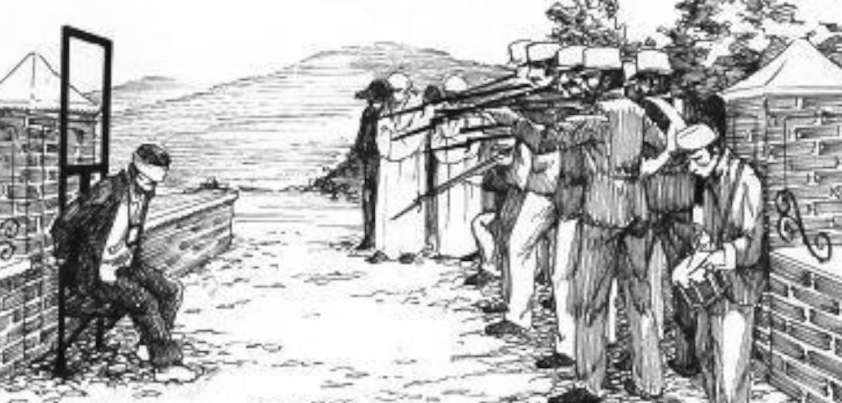 Juan Rulfo‘s short stories focus on the violence and hardships of rural peasant life in post-revolutionary Mexico. In this story a farmer (Juvencio) has been on the run for thirty-five years after viciously killing a friend for refusing to share his pasture during a severe drought. The murdered man’s son, now a police colonel, arranges for Juvencio’s capture. Juvencio, showing no remorse, begs for his life on the basis that he has already suffered enough. His grisly summary execution leaves readers to decide whether justice was served. Themes: land reform; endemic corruption; judicial system breakdown; father-son relationships; violence; revenge.
More…
The Bride Comes to Yellow Sky
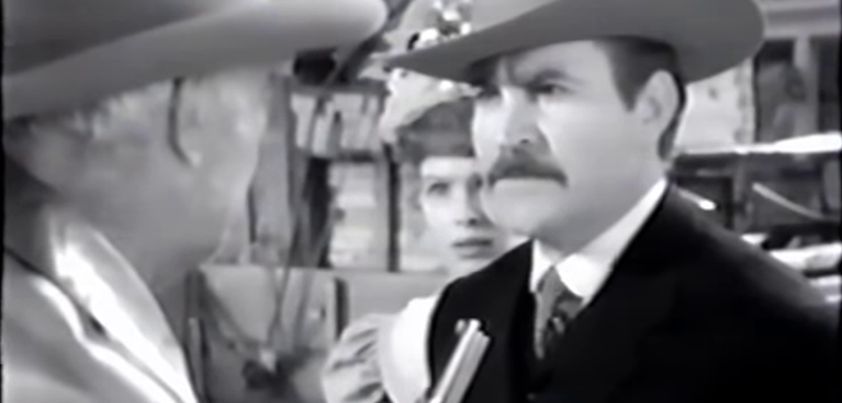 The major theme of this story from Stephen Crane is the taming of America’s ‘Wild West’. The instrument of change is the railroad, which brings ‘Eastern’ ways to previously isolated communities like Yellow Sky. The town’s Marshall, who returns from a city visit with a new wife, symbolizes the transition. As the couple approach their new home, where things will certainly be different for the Marshall, they are confronted by the town drunk spoiling for a fight. When the ‘showdown’ doesn’t go as the drunkard expects, he realizes the old days are gone forever. Other themes: community, marriage, fear, violence. More…