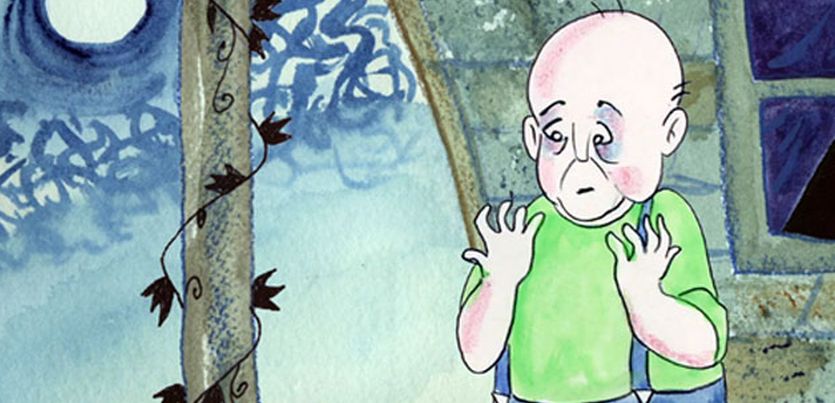
 Sherwood Anderson’s Hands was a ground-breaking story for its time. A young teacher is so traumatized by false accusations of child molestation that he flees, changes his identity, and shuts himself off from the world. He is now a frightened loner, with only one friend in the world and a nervous tic in his hands. Themes: mob “justice”, isolation and loneliness, living in fear, embracing one’s dreams. Many people, like the protagonist, express their emotions in a “touchy feely” way. Sadly, even today, such people need to be careful lest this be misinterpreted or maliciously used against them. More…
Aftermath
 This story by Mary Yukari Waters deals with several often overlooked aspects of war: its effect on the families of those who don’t return, the resultant scarcity of basic necessities, and the impact of occupational forces on the lives of the loser. In the aftermath of World War 2, a young Japanese mother struggles to deal with the loss of her husband, her young son’s growing Americanisation and dimming memories of his father, and the fundamental shifts taking place in Japanese society. Themes include loss, grief, memory, customs and tradition, motherhood, change. More…
The Ant and The Grasshopper
 This story by W. Somerset Maugham takes its name from a famous Aesop fable. The fable carries the message that hard work is rewarded, while laziness leads to disaster. The story presents a more balanced view of the world. Sometimes good things happen to lazy or even quite bad people, causing them to be better off than those who work hard every day. After years of hard work, Gordon Ramsay (the Ant) is rewarded with a comfortable retirement. He thinks it unfair when his brother Tom (the Grasshopper) ends up many times richer after a life of laziness and cheating others. More…
The Delicate Prey
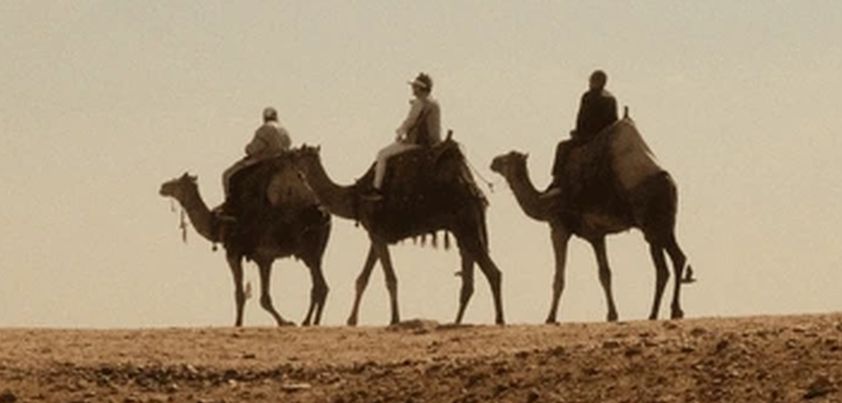 This controversial story by Paul Bowles is not for the squeamish. Two leather merchants and their nephew set off across the Algerian desert to sell their wares. After several days a stranger fearful of bandits in the area approaches and asks to accompany them. One night, the stranger lures the merchants away from camp on the pretext of going hunting. He ambushes and shoots them, then tortures and kills the youth. The crime is discovered when the stranger tries to sell their distinctive leatherworks. Tribal justice is swift and brutal. Themes include greed, deceit, extreme violence, vengeance. More…
One Thousand Dollars
 The twist ending in this O. Henry story has most readers believing that, after receiving an inheritance of $1,000 from an uncle and canvassing various options, the protagonist sees the error of his spendthrift ways. He then tells his uncle’s ward, who he loves and was left very little, that the money was left to her. And later, despite his profession of love being rejected, he contrives for her to receive an additional $50,000 to which he becomes entitled. Is this a story of selfless sacrifice, or could there be a further twist? Themes include change, deception, selflessness, generosity, love. More…