 There are two “dreams” in this inspirational story by W. D. Myers. The first is a father’s dream that his son follow in his footsteps and become a competitive basketball player; the second is the boy’s dream to be able to overcome his disability and return to the game. The “pushes” come when the boy is invited to join a wheelchair team, and the father overcomes his feelings of guilt and decides to help the team. Themes: guilt, courage, maintaining a positive attitude, family, father-son bonding, team spirit, how trying and doing one’s best is more important than winning. More…
Caroline’s Wedding
 In this moving story from Edwidge Danticat, the Haitian-American narrator helps bridge differences between her widowed mother, who still embraces their traditional culture, and younger Americanized sister (Caroline). The mother is uneasy about Caroline’s coming marriage to a non-Haitian. She finds all sorts of problems with the man, the courtship, and the wedding preparations. However, after her traditional magic fails to separate them, she reluctantly accepts the inevitable. Themes: family bonds (mother-daughter, sister-sister, daughter-father), cultural identity (observing and handing down cultural values, traditions and beliefs), cultural differences, the price of freedom (suffering, loss, death). More…
Stray
 Heavy snow can cause many problems, closing roads and stopping people from going to work or school. Today’s story from Cynthia Rylant is about Doris, an only child from a poor family. A cold, shivering puppy comes into her yard as she is clearing snow from around the front door. It has been abandoned. She takes the animal inside and cares for it, knowing that her parents will say they don’t have the money to keep a dog and take it away when the snow clears. The story’s themes are loneliness, compassion, responsibility, understanding, cruelty to animals, kindness and love. More…
Old Woman Magoun
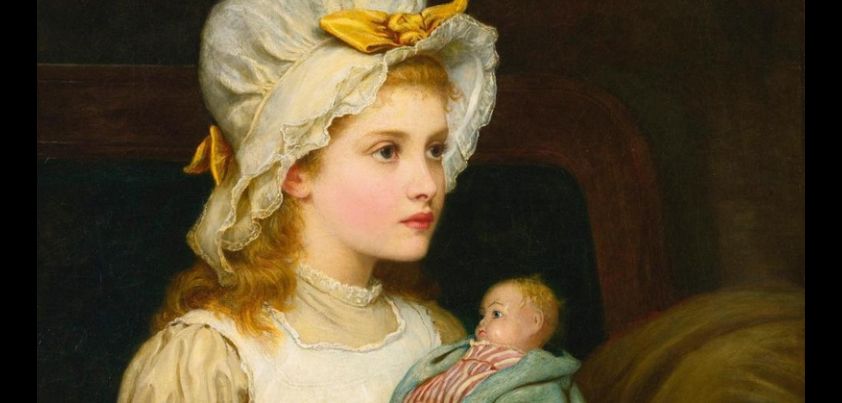 In this story by Mary R. Wilkins Freeman an old woman takes drastic action to prevent her granddaughter’s father from trafficking her to settle a gambling debt. The girl’s mother had died shortly after she was born. Wary of the shiftless, hard drinking men of the town, the grandmother had raised her in sheltered isolation. Now fourteen and innocent to the ways of the world, her father demands that she be handed over. Desperate, the grandmother turns to nature to “spare” her. Themes include patriarchy and gender roles, overprotectiveness, alcohol abuse, human trafficking, innocence, piety, love, despair, mercy killing. More…
The American Embassy
 Set following Nigeria’s 1993 military coup, this Chimamanda Adichie story includes themes of corruption, civil unrest and army brutality. The protagonist has a seemingly perfect case for U.S. asylum. Her anti-government journalist husband has already fled to America, and some troops searching for him accidentally shot their four-year-old son. Yet mid-way through the visa interview, she decides not to continue. The shooting has caused her to question their future together. This introduces two additional themes: the strong ties Africans have to their roots, and the importance of traditions… in this case the need for someone to tend the boy’s grave. More…