 This story by Cynthia Rylant deals with the themes of loneliness, puppy love and lost opportunity. A teenage girl is lonely after her parents move to a new city. Her only joy is shopping for the family groceries. This helps the girl take her mind off problems and think more clearly. At the supermarket the girl finds herself strongly attracted to a bag boy operating one of the checkouts. The boy is also strongly attracted to her. Fast forward to the end of the story, and both are with another partner. More…
The Golden Kite, the Silver Wind
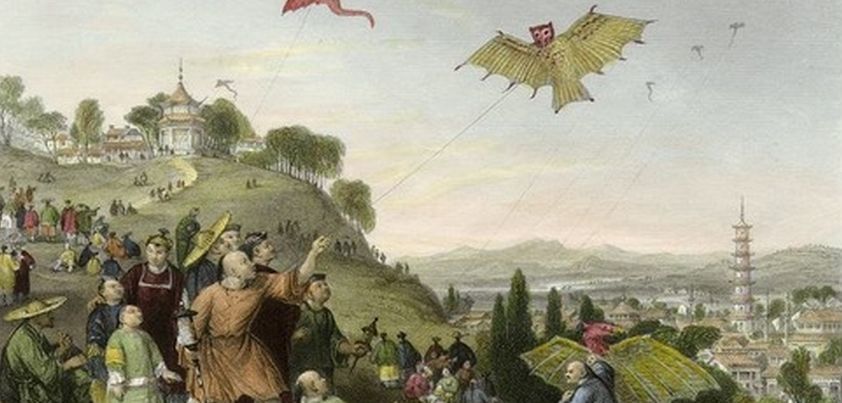 This Ray Bradbury story is thought to be an allegory of the nuclear arms race that took place during the “Cold War” between the United States and Russia. The “Mandarins” who began the Cold War were Harry S. Truman and Joseph Stalin. One wonders if the first Mandarin’s daughter alludes to Truman’s wife Bess, who he claims to have consulted before every important decision. Moreover, Bess is known to have made changes to his famous speech outlining the Truman Doctrine, which started it all. Themes include rivalry, paranoia, wisdom, the futility of confrontation and escalation vs. the benefits of cooperation. More…
The Bottom-Pincher
 Khushwant Singh’s writing is known for its use of satire and irony in addressing controversial aspects of Indian life. This humorous story is about an admitted “bottom-watcher” who dreams of becoming a “bottom-pincher”. When he encounters a serial bottom-pincher, he becomes obsessed and stalks the man, obtaining vicarious pleasure from his exploits before succumbing to the temptation himself. The major theme is hypocrisy: the facade of respectability adopted by wealthy Indian men who might pop out for a lunchtime “nooner” or engage in other salacious activities. Additional themes: sexual assault (unwanted touching), perversion, obsession, stalking, harassment, temptation, corruption, poverty. More…
A Temporary Matter
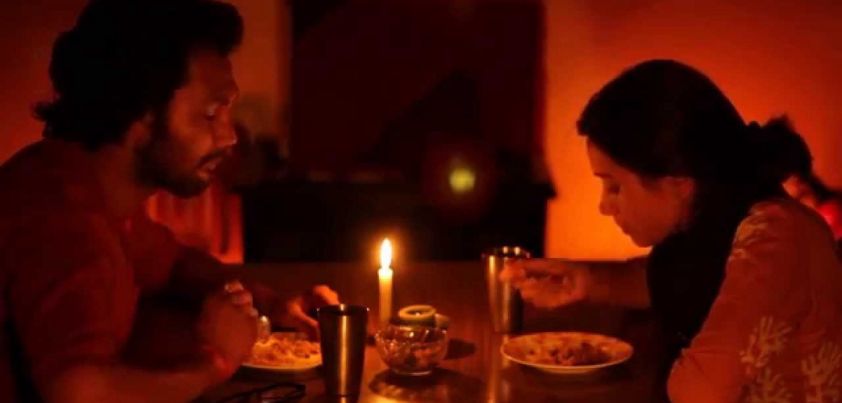 This story from Jhumpa Lahiri deals with one of her common themes: alienation within a relationship. A young, once happily married Indian-American couple have drifted apart following the loss of their stillborn first child. A week of evening power outages leads to a word game that gets them beginning to communicate again. Although neither raises the big issues between them, there appears hope for a re-building of the relationship. Unfortunately, at weeks end the woman shares news that devastates the man. He responds with a cruel truth of his own. Other themes: grief, guilt, lack of communication, deception, moving on. More…
A City of Churches
 This story begins with a woman talking to a realtor about moving to the city of Prester to open a car rental business. As they talk, she notices that every building in the city is a church of some kind. Typical of Donald Barthelme, things get stranger. Nobody rents cars in Prester, but the city has a problem. It needs a girl to work in its car-rental agency to make the town ‘complete’. The girl has a special talent; she can will her dreams. When told she cannot leave, she threatens to dream the life [they] are most afraid of. More…